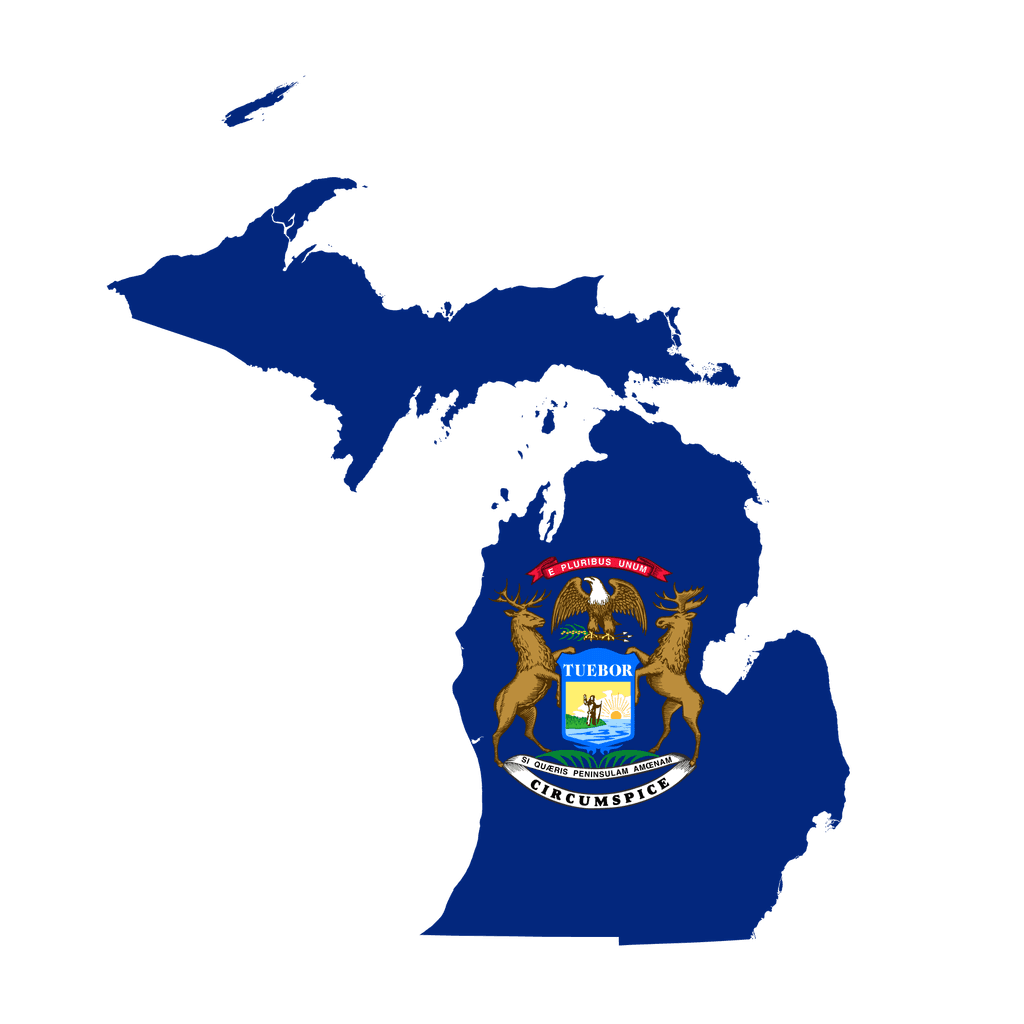
In Michigan's 13 congressional districts, trader consensus clusters around Democrats securing 6–9 seats because several races remain highly competitive after the August 2026 primaries. Key battlegrounds include the open MI-10 seat, MI-07 held by first-term Republican Tom Barrett, and MI-08, where partisan leans are narrow and candidate recruitment, fundraising, and turnout among suburban and working-class voters will decide outcomes. National generic-ballot advantages for Democrats and the historical midterm pattern create upward pressure on seat totals, yet Michigan-specific factors such as open seats tied to Senate candidacies and limited recent redistricting keep the range tight. Further separation could occur with late-cycle polling shifts, strong performance in targeted districts, or changes in national economic or approval indicators before November.
Resumen experimental generado por IA con datos de Polymarket. Esto no es asesoramiento de trading y no influye en cómo se resuelve este mercado. · Actualizado7 33%
8 26%
6 23%
9 16%
<5
1%
5
2%
6
23%
7
33%
8
26%
9
16%
10+
3%
7 33%
8 26%
6 23%
9 16%
<5
1%
5
2%
6
23%
7
33%
8
26%
9
16%
10+
3%
All Michigan US House of Representatives elections held as part of the 2026 United States midterm election that elect voting members and determine representation in the upcoming 120th congress are included. Special elections to fill a vacancy for the remainder of an unexpired term are not included, whether or not held concurrently with the 2026 United States midterm election. Runoffs for qualifying elections will determine attribution of the relevant seat.
Seats are attributed to the party under which the member was elected. If a member-elect changes party affiliation or vacates their seat after the date of the 2026 United States midterm election, the seat is attributed to the party under which the member was elected.
Members of the House elected as independents who formally caucus, or who announce their intent to caucus, with a party prior to the date of the 2026 United States midterm election are included in that party’s count. If the caucus decisions of relevant members of the US House of Representatives elected as independents cannot be determined as of the date of the 2026 United States midterm election, this market may remain open until the earlier of (i) an announcement from the relevant members of their intents to caucus, or (ii) January 4th, 11:59 PM ET of the following calendar year. If no such announcement is made by January 4th, 11:59 PM ET of the following calendar year, the member will not count towards the seat count of any party.
The resolution sources for this market will be official information from relevant state electoral authorities, the United States Congress, and a consensus of credible reporting.
Mercado abierto: Aug 11, 2026, 10:12 AM ET
Resolver
0x69c47De9D...All Michigan US House of Representatives elections held as part of the 2026 United States midterm election that elect voting members and determine representation in the upcoming 120th congress are included. Special elections to fill a vacancy for the remainder of an unexpired term are not included, whether or not held concurrently with the 2026 United States midterm election. Runoffs for qualifying elections will determine attribution of the relevant seat.
Seats are attributed to the party under which the member was elected. If a member-elect changes party affiliation or vacates their seat after the date of the 2026 United States midterm election, the seat is attributed to the party under which the member was elected.
Members of the House elected as independents who formally caucus, or who announce their intent to caucus, with a party prior to the date of the 2026 United States midterm election are included in that party’s count. If the caucus decisions of relevant members of the US House of Representatives elected as independents cannot be determined as of the date of the 2026 United States midterm election, this market may remain open until the earlier of (i) an announcement from the relevant members of their intents to caucus, or (ii) January 4th, 11:59 PM ET of the following calendar year. If no such announcement is made by January 4th, 11:59 PM ET of the following calendar year, the member will not count towards the seat count of any party.
The resolution sources for this market will be official information from relevant state electoral authorities, the United States Congress, and a consensus of credible reporting.
Resolver
0x69c47De9D...In Michigan's 13 congressional districts, trader consensus clusters around Democrats securing 6–9 seats because several races remain highly competitive after the August 2026 primaries. Key battlegrounds include the open MI-10 seat, MI-07 held by first-term Republican Tom Barrett, and MI-08, where partisan leans are narrow and candidate recruitment, fundraising, and turnout among suburban and working-class voters will decide outcomes. National generic-ballot advantages for Democrats and the historical midterm pattern create upward pressure on seat totals, yet Michigan-specific factors such as open seats tied to Senate candidacies and limited recent redistricting keep the range tight. Further separation could occur with late-cycle polling shifts, strong performance in targeted districts, or changes in national economic or approval indicators before November.
Resumen experimental generado por IA con datos de Polymarket. Esto no es asesoramiento de trading y no influye en cómo se resuelve este mercado. · ActualizadoRelacionado

¿Ganarán los demócratas exactamente 4 escaños en la Cámara de Representantes en Minnesota en las elecciones de mitad de mandato de 2026?

¿Ganarán los demócratas exactamente 3 escaños en la Cámara de Representantes en Wisconsin en las elecciones de mitad de mandato de 2026?

¿Ganarán los demócratas exactamente 11 escaños en la Cámara de Representantes en Pensilvania en las elecciones de mitad de mandato de 2026?
Cuidado con los enlaces externos.
Cuidado con los enlaces externos.
Preguntas frecuentes