
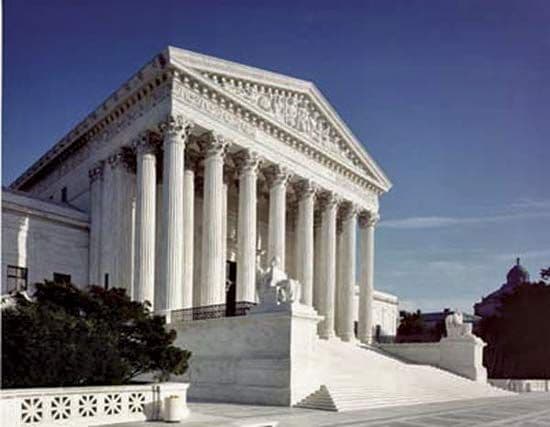
**No Supreme Court vacancy has materialized as of September 2026, keeping probabilities distributed across a broad field of conservative candidates.** Justices Samuel Alito and Clarence Thomas have signaled they intend to remain on the bench for the upcoming term, cooling earlier retirement speculation and leaving the timing of any opening uncertain. Trader consensus reflects this ambiguity, with leading names such as James Ho, Aileen Cannon, Ted Cruz, Andrew Oldham, and Gregory Katsas trading in the low-to-mid teens amid a large “Other” share. Key dynamics include Trump’s preference for proven loyalty alongside ideological alignment, the deep bench of Trump-appointed appellate judges and former clerks, and Senate confirmation risks tied to the 2026 midterms and potential shifts in Republican control. Recent lower-court nominations and White House short-list discussions have not yet produced a clear frontrunner, sustaining the competitive spread. Scheduled Senate activity before and after the midterms, along with any future retirement announcements, could shift probabilities by clarifying both timing and Senate math.
Experimental AI-generated summary referencing Polymarket data. This is not trading advice and plays no role in how this market resolves. · UpdatedWho will the Trump admin next nominate as SCOTUS Justice?
Who will the Trump admin next nominate as SCOTUS Justice?
James Ho 19%
Andrew Oldham 13%
Gregory Katsas 10.5%
Amul Thapar 10%
James Ho
19%
Andrew Oldham
13%
Gregory Katsas
11%
Amul Thapar
10%
Patrick Bumatay
9%
Steven Menashi
8%
Aileen Cannon
17%
Neomi Rao
7%
John Sauer
6%
Mike Lee
6%
Ted Cruz
13%
James Ho 19%
Andrew Oldham 13%
Gregory Katsas 10.5%
Amul Thapar 10%
James Ho
19%
Andrew Oldham
13%
Gregory Katsas
11%
Amul Thapar
10%
Patrick Bumatay
9%
Steven Menashi
8%
Aileen Cannon
17%
Neomi Rao
7%
John Sauer
6%
Mike Lee
6%
Ted Cruz
13%
Formal nominations are defined as the submission of a nomination message to the U.S. Senate.
In the event that more than one such nomination is submitted to the Senate at the same time, this market shall resolve in favor of the nomination that was announced first or, should such a temporal determination be impossible to make, in last-name alphabetical order.
If no individual is nominated to be a Justice of the Supreme Court by January 19, 2029, at 11:59PM ET, this market will resolve to “Other".
The primary resolution source for this market will be official information from the U.S. Senate (see: https://www.senate.gov/legislative/nominations_new.htm), however a consensus of credible reporting may also be used.
Market Opened: Jun 24, 2026, 6:18 PM ET
Resolver
0x69c47De9D...Formal nominations are defined as the submission of a nomination message to the U.S. Senate.
In the event that more than one such nomination is submitted to the Senate at the same time, this market shall resolve in favor of the nomination that was announced first or, should such a temporal determination be impossible to make, in last-name alphabetical order.
If no individual is nominated to be a Justice of the Supreme Court by January 19, 2029, at 11:59PM ET, this market will resolve to “Other".
The primary resolution source for this market will be official information from the U.S. Senate (see: https://www.senate.gov/legislative/nominations_new.htm), however a consensus of credible reporting may also be used.
Resolver
0x69c47De9D...**No Supreme Court vacancy has materialized as of September 2026, keeping probabilities distributed across a broad field of conservative candidates.** Justices Samuel Alito and Clarence Thomas have signaled they intend to remain on the bench for the upcoming term, cooling earlier retirement speculation and leaving the timing of any opening uncertain. Trader consensus reflects this ambiguity, with leading names such as James Ho, Aileen Cannon, Ted Cruz, Andrew Oldham, and Gregory Katsas trading in the low-to-mid teens amid a large “Other” share. Key dynamics include Trump’s preference for proven loyalty alongside ideological alignment, the deep bench of Trump-appointed appellate judges and former clerks, and Senate confirmation risks tied to the 2026 midterms and potential shifts in Republican control. Recent lower-court nominations and White House short-list discussions have not yet produced a clear frontrunner, sustaining the competitive spread. Scheduled Senate activity before and after the midterms, along with any future retirement announcements, could shift probabilities by clarifying both timing and Senate math.
Experimental AI-generated summary referencing Polymarket data. This is not trading advice and plays no role in how this market resolves. · Updated

Beware of external links.
Beware of external links.
Frequently Asked Questions