
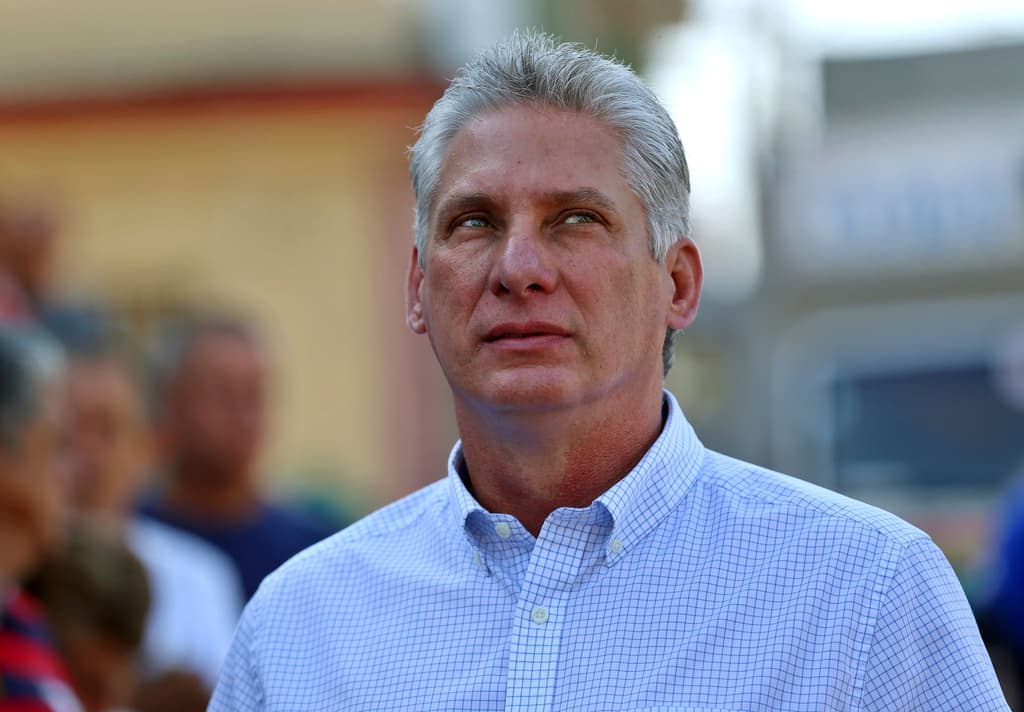
Cuba’s leadership transition market centers on President and Communist Party First Secretary Miguel Díaz-Canel, who continues to direct policy amid a severe economic contraction driven by U.S. sanctions, an effective oil blockade, chronic power outages, inflation, and large-scale emigration. In June 2026 the government approved 176 economic and social measures expanding private-sector space, enterprise autonomy, and investment incentives, explicitly framed by Díaz-Canel as essential to “save the Revolution” without altering the one-party system. Raúl Castro, now 95, retains symbolic influence but no operational role. Scattered protests have risen in frequency yet remain localized and contained by security measures. Ongoing bilateral talks with Washington have produced limited humanitarian gestures but no agreement on political change. These dynamics—regime cohesion, reform implementation, and external pressure—shape trader assessments of any near-term leadership shift.
Résumé expérimental généré par IA à partir des données Polymarket. Ceci n'est pas un conseil de trading et ne joue aucun rôle dans la résolution de ce marché. · Mis à jourDíaz-Canel calls for urgent reforms amid Cuba's crisis
December 31 dips to 58%1%
Díaz-Canel acknowledged the need for urgent changes to overcome Cuba's economic crisis, signaling attempts to maintain control through reforms rather than stepping down, which contributed to the market's low probability of his removal by June 30.
Cuba approves sweeping free-market economic reforms amid crisis
Cuba’s Communist Party approved 176 free-market reforms aimed at opening the economy and attracting investment to address the severe crisis worsened by the U.S. oil blockade. Díaz-Canel emphasized these were economic, not political changes, and he remained in power.


Méfiez-vous des liens externes.
Méfiez-vous des liens externes.
Questions fréquentes