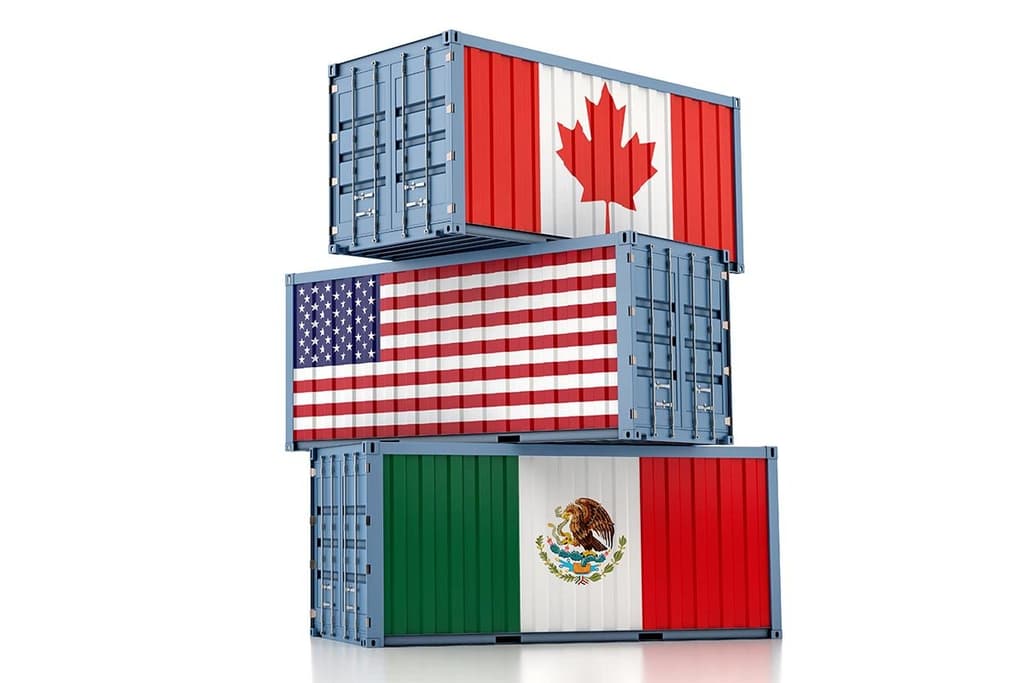
The United States declined to confirm a 16-year extension of the USMCA during the mandatory July 1, 2026, joint review under Article 34.7, with USTR Ambassador Jamieson Greer stating the agreement would not be renewed in its current form. This triggered the annual review process running through 2036 rather than automatic extension, despite support for renewal from Mexico and Canada. Ongoing bilateral talks, including U.S.-Mexico negotiating rounds, have produced no head-of-government confirmation or consensus on terms by mid-August. Trader consensus on a "No" outcome by year-end reflects the procedural requirement for unanimous written confirmation to trigger extension, the U.S. emphasis on seeking concessions before any renewal, and the compressed timeline remaining in 2026.
Résumé expérimental généré par IA à partir des données Polymarket. Ceci n'est pas un conseil de trading et ne joue aucun rôle dans la résolution de ce marché. · Mis à jourOui
$10,265 Vol.
$10,265 Vol.
Oui
$10,265 Vol.
$10,265 Vol.
A qualifying extension requires all three parties to formally extend the term of the agreement. This may occur through written confirmation of their wish to extend the term for a further period pursuant to USMCA Article 34.7, or through other formal means that clearly and definitively extend the term, such as a unanimous amendment of the agreement. An extension qualifies whether or not it also includes negotiated modifications to the original agreement.
The following will not qualify: announcements unaccompanied by a formal extension; extension of individual provisions that does not extend the agreement's term itself; commitments to extend by fewer than all three parties; and replacement of the USMCA with a separate or successor agreement, as opposed to continuation of the existing agreement.
The primary resolution source is official information from the United States, Canada, and Mexico; however, a consensus of credible reporting may also be used.
Marché ouvert : Jul 1, 2026, 5:35 PM ET
Resolver
0x65070BE91...A qualifying extension requires all three parties to formally extend the term of the agreement. This may occur through written confirmation of their wish to extend the term for a further period pursuant to USMCA Article 34.7, or through other formal means that clearly and definitively extend the term, such as a unanimous amendment of the agreement. An extension qualifies whether or not it also includes negotiated modifications to the original agreement.
The following will not qualify: announcements unaccompanied by a formal extension; extension of individual provisions that does not extend the agreement's term itself; commitments to extend by fewer than all three parties; and replacement of the USMCA with a separate or successor agreement, as opposed to continuation of the existing agreement.
The primary resolution source is official information from the United States, Canada, and Mexico; however, a consensus of credible reporting may also be used.
Resolver
0x65070BE91...The United States declined to confirm a 16-year extension of the USMCA during the mandatory July 1, 2026, joint review under Article 34.7, with USTR Ambassador Jamieson Greer stating the agreement would not be renewed in its current form. This triggered the annual review process running through 2036 rather than automatic extension, despite support for renewal from Mexico and Canada. Ongoing bilateral talks, including U.S.-Mexico negotiating rounds, have produced no head-of-government confirmation or consensus on terms by mid-August. Trader consensus on a "No" outcome by year-end reflects the procedural requirement for unanimous written confirmation to trigger extension, the U.S. emphasis on seeking concessions before any renewal, and the compressed timeline remaining in 2026.
Résumé expérimental généré par IA à partir des données Polymarket. Ceci n'est pas un conseil de trading et ne joue aucun rôle dans la résolution de ce marché. · Mis à jour


Méfiez-vous des liens externes.
Méfiez-vous des liens externes.
Questions fréquentes