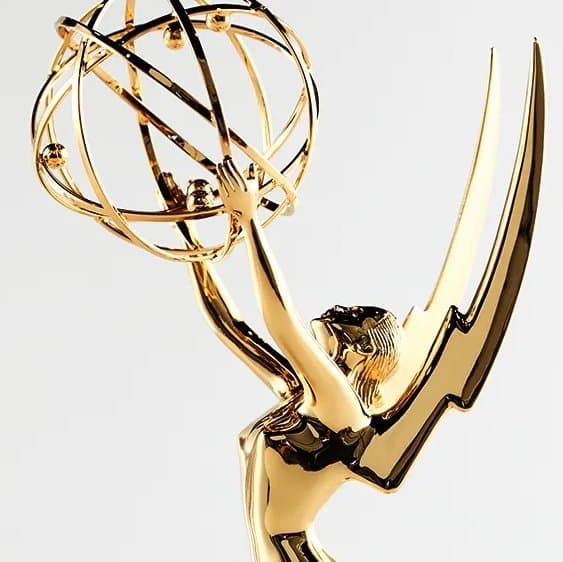
Hollywood's track record of political commentary at awards shows fuels the near-even split in trader sentiment around the 2026 Emmys, with past ceremonies featuring pointed jabs at Trump balanced against industry caution in a polarized climate. Recent guild and critics' discussions highlight ongoing tension between creative freedom and network pressure to avoid alienating viewers, while uncertainty over the host, presenters, and nominee roster adds volatility. The 54.5% implied probability for a yes outcome reflects traders weighing historical precedent against the risk of swift backlash or production guidelines discouraging overt insults. Key catalysts ahead include the official host announcement, final presenter lineup, and any late-breaking political developments that could shift momentum before the ceremony.
Résumé expérimental généré par IA à partir des données Polymarket. Ceci n'est pas un conseil de trading et ne joue aucun rôle dans la résolution de ce marché. · Mis à jourQuelqu'un va-t-il insulter Donald Trump lors des Emmy Awards 2026 ?
Quelqu'un va-t-il insulter Donald Trump lors des Emmy Awards 2026 ?
Oui
Oui
A qualifying statement is any written, verbal, or recorded statement made on stage or during any other on-air segment of the broadcast, the direct language of which is captured in the live or recorded broadcast. Statements made off-air, backstage, or outside the broadcast window will not qualify, even if credibly reported. Narrations and paraphrasings do not qualify.
A statement qualifies as an insult if it mocks, degrades, or disparages Donald Trump either personally or professionally. This includes calling him a clearly insulting trait (e.g., weak, stupid, disloyal, a failure), using an insulting nickname, using other clearly derogatory language, or using the negative form of a positive trait in a clearly derogatory manner (e.g., "He isn't smart", "He has no judgment"). Disparaging him in his professional capacity will qualify (e.g., "He is a disaster president," "He is terrible at his job"); however, negative comments directed at his specific actions, policies, or decisions will not qualify (e.g., "He has bad policies," "He is wrong about healthcare").
A statement made in direct reference to Donald Trump will qualify even if he is not named, so long as it is reasonably clear from context that he is the subject.
The resolution source will be the official NBC/Peacock broadcast of the ceremony.
Marché ouvert : Aug 19, 2026, 9:25 PM ET
Resolver
0x65070BE91...A qualifying statement is any written, verbal, or recorded statement made on stage or during any other on-air segment of the broadcast, the direct language of which is captured in the live or recorded broadcast. Statements made off-air, backstage, or outside the broadcast window will not qualify, even if credibly reported. Narrations and paraphrasings do not qualify.
A statement qualifies as an insult if it mocks, degrades, or disparages Donald Trump either personally or professionally. This includes calling him a clearly insulting trait (e.g., weak, stupid, disloyal, a failure), using an insulting nickname, using other clearly derogatory language, or using the negative form of a positive trait in a clearly derogatory manner (e.g., "He isn't smart", "He has no judgment"). Disparaging him in his professional capacity will qualify (e.g., "He is a disaster president," "He is terrible at his job"); however, negative comments directed at his specific actions, policies, or decisions will not qualify (e.g., "He has bad policies," "He is wrong about healthcare").
A statement made in direct reference to Donald Trump will qualify even if he is not named, so long as it is reasonably clear from context that he is the subject.
The resolution source will be the official NBC/Peacock broadcast of the ceremony.
Resolver
0x65070BE91...Hollywood's track record of political commentary at awards shows fuels the near-even split in trader sentiment around the 2026 Emmys, with past ceremonies featuring pointed jabs at Trump balanced against industry caution in a polarized climate. Recent guild and critics' discussions highlight ongoing tension between creative freedom and network pressure to avoid alienating viewers, while uncertainty over the host, presenters, and nominee roster adds volatility. The 54.5% implied probability for a yes outcome reflects traders weighing historical precedent against the risk of swift backlash or production guidelines discouraging overt insults. Key catalysts ahead include the official host announcement, final presenter lineup, and any late-breaking political developments that could shift momentum before the ceremony.
Résumé expérimental généré par IA à partir des données Polymarket. Ceci n'est pas un conseil de trading et ne joue aucun rôle dans la résolution de ce marché. · Mis à jour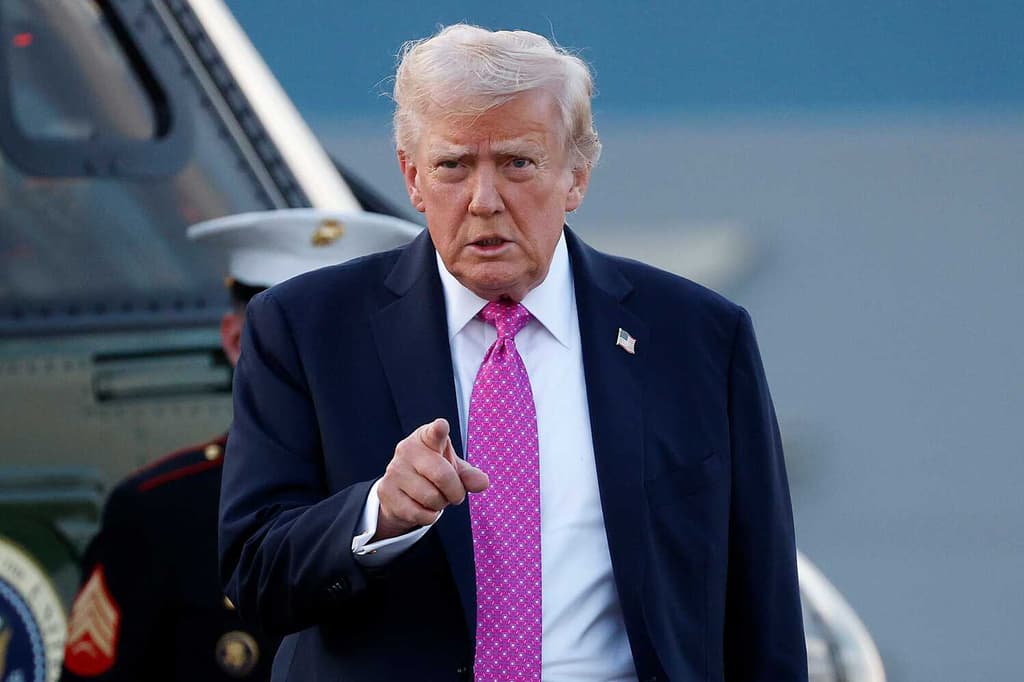


Méfiez-vous des liens externes.
Méfiez-vous des liens externes.
Questions fréquentes