
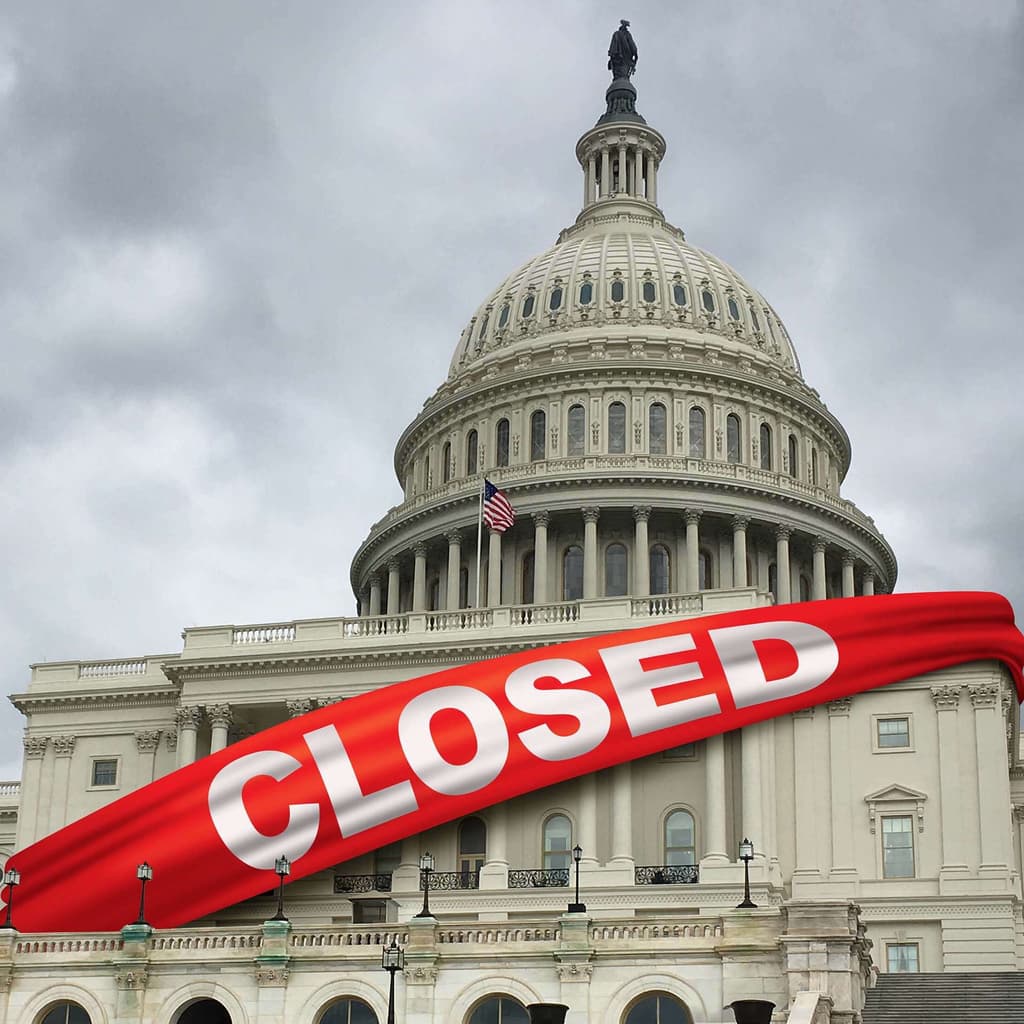
Traders assign a 98.3% implied probability against a government shutdown by October 1 because recent congressional leadership statements and ongoing appropriations talks signal progress toward a continuing resolution or omnibus funding measure before the fiscal year deadline. Bipartisan negotiations in both chambers, combined with historical patterns of last-minute agreements, have kept procedural momentum intact despite tight timelines. The administration’s engagement on spending priorities has further supported expectations of passage. Realistic scenarios that could still shift odds include an abrupt breakdown in vote counts, new holds on the floor, or unresolved disputes over specific policy riders, though current indicators point to resolution without interruption of federal operations.
Polymarket डेटा का संदर्भ देने वाला प्रयोगात्मक AI-जनरेटेड सारांश। यह ट्रेडिंग सलाह नहीं है और इस बाज़ार के समाधान में कोई भूमिका नहीं निभाता। · अपडेट किया गयाहाँ
$15,800 वॉल्यूम
$15,800 वॉल्यूम
हाँ
$15,800 वॉल्यूम
$15,800 वॉल्यूम
A U.S. federal government shutdown is considered to have gone into effect when there is a lapse in appropriations that results in federal government agencies suspending non-excepted operations, typically including the furlough of non-excepted federal employees.
A lapse in appropriations occurs when Congress fails to enact, or the President fails to sign into law, legislation providing funding authority for federal government operations by an applicable deadline, resulting in a funding lapse. A lapse in appropriations where no federal agencies cease or suspend non-excepted operations will not qualify as a shutdown.
Partial shutdowns qualify. A shutdown affecting one or more, but not all, federal agencies constitutes a shutdown.
The following will qualify as a shutdown:
- An official directive from the Office of Management and Budget (OMB) ordering heads of affected agencies to execute shutdown plans (e.g., an instruction to "execute plans for an orderly shutdown") that is in effect by the specified date and time
- An official operating status published by the U.S. Office of Personnel Management (OPM) indicating that, due to a lapse in appropriations, federal government operations are suspended, reduced, or vary by agency (e.g., a notice that "due to a partial lapse in appropriations, Federal Government operations vary by agency")
The following will not qualify as a shutdown:
- A technical lapse in appropriations where OMB or other authorized authority directs agencies to continue normal or substantially normal operations
- Government closures or operating status changes resulting solely from Federal holidays, inclement weather, natural disasters, or other emergencies, unless such closures coincide with a qualifying shutdown caused by a lapse in appropriations
The primary resolution source for this market will be official information from the United States government, including the U.S. Office of Personnel Management (OPM); however, a consensus of credible reporting may also be used.
बाज़ार खुला: Jun 10, 2026, 12:27 PM ET
रिज़ॉल्वर
0x65070BE91...A U.S. federal government shutdown is considered to have gone into effect when there is a lapse in appropriations that results in federal government agencies suspending non-excepted operations, typically including the furlough of non-excepted federal employees.
A lapse in appropriations occurs when Congress fails to enact, or the President fails to sign into law, legislation providing funding authority for federal government operations by an applicable deadline, resulting in a funding lapse. A lapse in appropriations where no federal agencies cease or suspend non-excepted operations will not qualify as a shutdown.
Partial shutdowns qualify. A shutdown affecting one or more, but not all, federal agencies constitutes a shutdown.
The following will qualify as a shutdown:
- An official directive from the Office of Management and Budget (OMB) ordering heads of affected agencies to execute shutdown plans (e.g., an instruction to "execute plans for an orderly shutdown") that is in effect by the specified date and time
- An official operating status published by the U.S. Office of Personnel Management (OPM) indicating that, due to a lapse in appropriations, federal government operations are suspended, reduced, or vary by agency (e.g., a notice that "due to a partial lapse in appropriations, Federal Government operations vary by agency")
The following will not qualify as a shutdown:
- A technical lapse in appropriations where OMB or other authorized authority directs agencies to continue normal or substantially normal operations
- Government closures or operating status changes resulting solely from Federal holidays, inclement weather, natural disasters, or other emergencies, unless such closures coincide with a qualifying shutdown caused by a lapse in appropriations
The primary resolution source for this market will be official information from the United States government, including the U.S. Office of Personnel Management (OPM); however, a consensus of credible reporting may also be used.
रिज़ॉल्वर
0x65070BE91...Traders assign a 98.3% implied probability against a government shutdown by October 1 because recent congressional leadership statements and ongoing appropriations talks signal progress toward a continuing resolution or omnibus funding measure before the fiscal year deadline. Bipartisan negotiations in both chambers, combined with historical patterns of last-minute agreements, have kept procedural momentum intact despite tight timelines. The administration’s engagement on spending priorities has further supported expectations of passage. Realistic scenarios that could still shift odds include an abrupt breakdown in vote counts, new holds on the floor, or unresolved disputes over specific policy riders, though current indicators point to resolution without interruption of federal operations.
Polymarket डेटा का संदर्भ देने वाला प्रयोगात्मक AI-जनरेटेड सारांश। यह ट्रेडिंग सलाह नहीं है और इस बाज़ार के समाधान में कोई भूमिका नहीं निभाता। · अपडेट किया गया

बाहरी लिंक से सावधान रहें।
बाहरी लिंक से सावधान रहें।
अक्सर पूछे जाने वाले प्रश्न