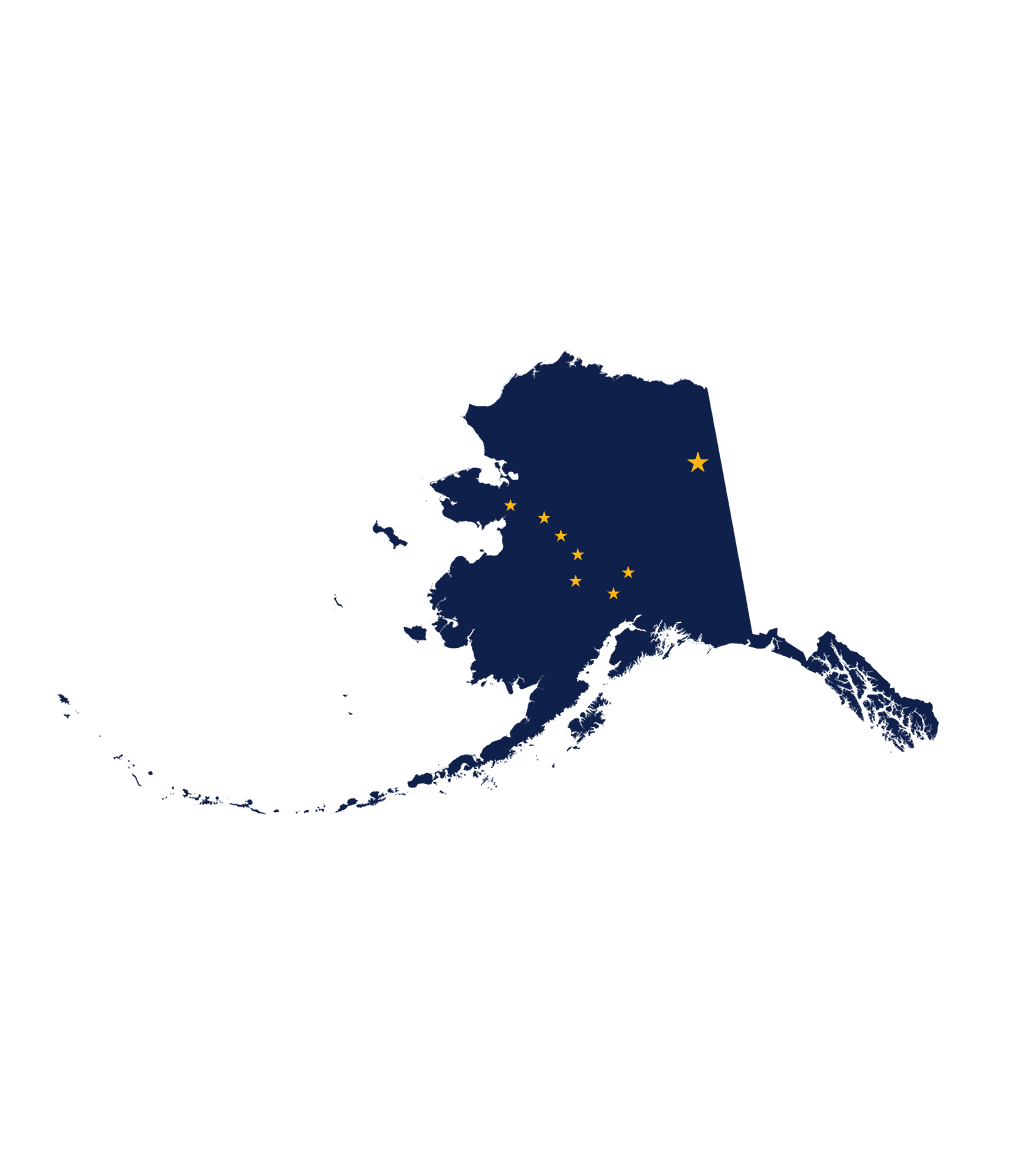
**Alaska voters will decide Ballot Measure 2 on November 3, 2026, which would repeal the top-four open primary and ranked-choice voting system adopted by a narrow 2020 initiative and restore partisan primaries plus traditional single-choice general elections.** A similar repeal effort in 2024 failed by just 737 votes out of roughly 321,000 cast (49.9% Yes, 50.1% No), prompting supporters to restart signature gathering; the current measure qualified after verification of over 42,000 valid signatures in late 2025. The initiative also repeals 2020 campaign-finance disclosure rules requiring “true source” reporting for contributions over $2,000 routed through intermediaries. Opponents of repeal (No on 2) have raised more than $5.5 million, while repeal supporters (Repeal Now) have raised roughly $750,000–$1.1 million despite large outside contributions, including $1.5 million from Elon Musk disclosed in August 2026. Public hearings occurred in July and August 2026, and the measure appears alongside another initiative on campaign contribution limits. Traders’ 77.5% implied probability that the measure fails reflects the 2024 precedent, stronger organized opposition, and the added controversy over transparency provisions, though the outcome remains subject to turnout, final spending, and voter sentiment in the closing weeks of the campaign.
Riepilogo sperimentale generato dall'AI con riferimento ai dati di Polymarket. Questo non è un consiglio di trading e non ha alcun ruolo nella risoluzione di questo mercato. · AggiornatoSì
Sì
This market will resolve to “Yes” if this ballot measure is approved as a result of the Alaska statewide general election currently scheduled for November 3, 2026. Otherwise, this market will resolve to “No”.
If voting on the specified ballot measure does not occur, or the results thereof are not known definitively, by March 31, 2027, this market will resolve to “No”.
Subsequent litigation or any failure to implement the measure will have no impact on the resolution of this market.
This market will resolve based on a consensus of credible reporting. If there is ambiguity, this market will resolve solely based on official information from the State of Alaska, including the Alaska Division of Elections (https://www.elections.alaska.gov/).
Mercato aperto: Aug 21, 2026, 4:36 PM ET
Resolver
0x65070BE91...This market will resolve to “Yes” if this ballot measure is approved as a result of the Alaska statewide general election currently scheduled for November 3, 2026. Otherwise, this market will resolve to “No”.
If voting on the specified ballot measure does not occur, or the results thereof are not known definitively, by March 31, 2027, this market will resolve to “No”.
Subsequent litigation or any failure to implement the measure will have no impact on the resolution of this market.
This market will resolve based on a consensus of credible reporting. If there is ambiguity, this market will resolve solely based on official information from the State of Alaska, including the Alaska Division of Elections (https://www.elections.alaska.gov/).
Resolver
0x65070BE91...**Alaska voters will decide Ballot Measure 2 on November 3, 2026, which would repeal the top-four open primary and ranked-choice voting system adopted by a narrow 2020 initiative and restore partisan primaries plus traditional single-choice general elections.** A similar repeal effort in 2024 failed by just 737 votes out of roughly 321,000 cast (49.9% Yes, 50.1% No), prompting supporters to restart signature gathering; the current measure qualified after verification of over 42,000 valid signatures in late 2025. The initiative also repeals 2020 campaign-finance disclosure rules requiring “true source” reporting for contributions over $2,000 routed through intermediaries. Opponents of repeal (No on 2) have raised more than $5.5 million, while repeal supporters (Repeal Now) have raised roughly $750,000–$1.1 million despite large outside contributions, including $1.5 million from Elon Musk disclosed in August 2026. Public hearings occurred in July and August 2026, and the measure appears alongside another initiative on campaign contribution limits. Traders’ 77.5% implied probability that the measure fails reflects the 2024 precedent, stronger organized opposition, and the added controversy over transparency provisions, though the outcome remains subject to turnout, final spending, and voter sentiment in the closing weeks of the campaign.
Riepilogo sperimentale generato dall'AI con riferimento ai dati di Polymarket. Questo non è un consiglio di trading e non ha alcun ruolo nella risoluzione di questo mercato. · Aggiornato


Fai attenzione ai link esterni.
Fai attenzione ai link esterni.
Domande frequenti