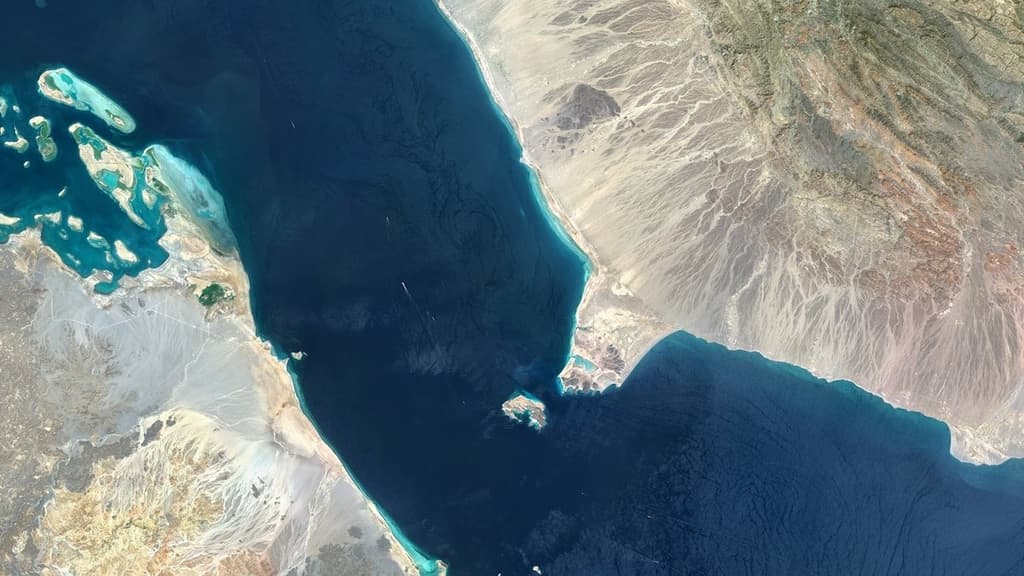
Recent geopolitical tensions in the Middle East, driven by Iranian restrictions on the Strait of Hormuz and Houthi threats to replicate the blockade at Bab el-Mandeb, have elevated risks to global energy and trade flows. The strait handles roughly 10-12% of world trade and 5% of seaborne oil volumes, with combined closure scenarios potentially disrupting up to 25% of oil and gas supplies and forcing costly reroutes around Africa. Brent crude prices have already climbed 10-13% amid the Hormuz situation, reflecting heightened supply concerns, while container shipping rates and insurance premiums face upward pressure. Analysts monitor upcoming diplomatic developments and any Houthi operational shifts, as sustained openness would moderate energy-market volatility and ease inflationary impulses in downstream sectors.
Eksperymentalne podsumowanie AI odwołujące się do danych Polymarket. To nie jest porada handlowa i nie ma wpływu na rozstrzyganie tego rynku. · ZaktualizowanoCieśnina Bab el-Mandeb skutecznie zamknięta przez...?
Cieśnina Bab el-Mandeb skutecznie zamknięta przez...?
$2,879,198 Wol.
31 maja
4%
June 30
14%
September 30
21%
$2,879,198 Wol.
31 maja
4%
June 30
14%
September 30
21%
This market will resolve as soon as IMF PortWatch publishes a 7-day moving average of transit calls for the Bab el-Mandeb Strait equal to or below 10, or once data has been published for the listed date and no such value has been published.
If no data has been published for the listed date within 14 calendar days (ET) after that date, this market will resolve based on the data published up to that point.
Revisions to previously published data points made before data has been published for the listed date will be considered; however, they will not disqualify a previously published data point from qualifying. Revisions made after data has been published for the listed date will not be considered.
The resolution source for this market will be IMF PortWatch, specifically the “Arrivals of Ships” data published for the Bab el-Mandeb Strait at https://portwatch.imf.org/pages/6b1814d64903461b98144a6cc25eb79c.
Rynek otwarty: May 5, 2026, 8:25 PM ET
Resolver
0x65070BE91...This market will resolve as soon as IMF PortWatch publishes a 7-day moving average of transit calls for the Bab el-Mandeb Strait equal to or below 10, or once data has been published for the listed date and no such value has been published.
If no data has been published for the listed date within 14 calendar days (ET) after that date, this market will resolve based on the data published up to that point.
Revisions to previously published data points made before data has been published for the listed date will be considered; however, they will not disqualify a previously published data point from qualifying. Revisions made after data has been published for the listed date will not be considered.
The resolution source for this market will be IMF PortWatch, specifically the “Arrivals of Ships” data published for the Bab el-Mandeb Strait at https://portwatch.imf.org/pages/6b1814d64903461b98144a6cc25eb79c.
Resolver
0x65070BE91...Recent geopolitical tensions in the Middle East, driven by Iranian restrictions on the Strait of Hormuz and Houthi threats to replicate the blockade at Bab el-Mandeb, have elevated risks to global energy and trade flows. The strait handles roughly 10-12% of world trade and 5% of seaborne oil volumes, with combined closure scenarios potentially disrupting up to 25% of oil and gas supplies and forcing costly reroutes around Africa. Brent crude prices have already climbed 10-13% amid the Hormuz situation, reflecting heightened supply concerns, while container shipping rates and insurance premiums face upward pressure. Analysts monitor upcoming diplomatic developments and any Houthi operational shifts, as sustained openness would moderate energy-market volatility and ease inflationary impulses in downstream sectors.
Eksperymentalne podsumowanie AI odwołujące się do danych Polymarket. To nie jest porada handlowa i nie ma wpływu na rozstrzyganie tego rynku. · Zaktualizowano
Uważaj na linki zewnętrzne.
Uważaj na linki zewnętrzne.
Często zadawane pytania