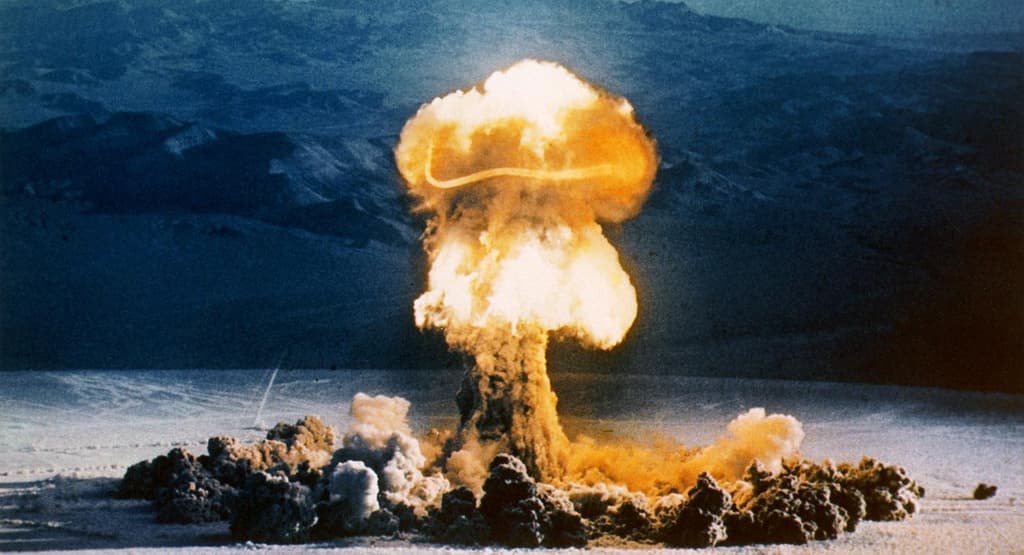
Russia maintains a voluntary moratorium on nuclear explosive tests dating to the early 1990s, with no verified detonations since then, which underpins the low trader-implied probability for a test by year-end 2026. Recent satellite imagery indicates progress toward deploying the RS-28 Sarmat ICBM despite prior flight-test setbacks, while Western intelligence reports of a potential nuclear-armed satellite launch (Sputnik-S) in December have prompted Kremlin denials and emphasis on peaceful space activities compliant with the Outer Space Treaty. Strategic nuclear force exercises continue under presidential oversight, yet these involve missile and bomber drills rather than yield-producing events. High diplomatic and arms-control costs, combined with established simulation capabilities, limit incentives for an actual test, though any confirmed detonation or credible attribution would immediately shift probabilities.
Экспериментальная сводка, созданная ИИ на основе данных Polymarket. Это не является торговой рекомендацией и не влияет на то, как разрешается этот рынок. · Обновлено1H6H1D7D30DALL
View resolved


Не доверяй внешним ссылкам.
Не доверяй внешним ссылкам.
Часто задаваемые вопросы