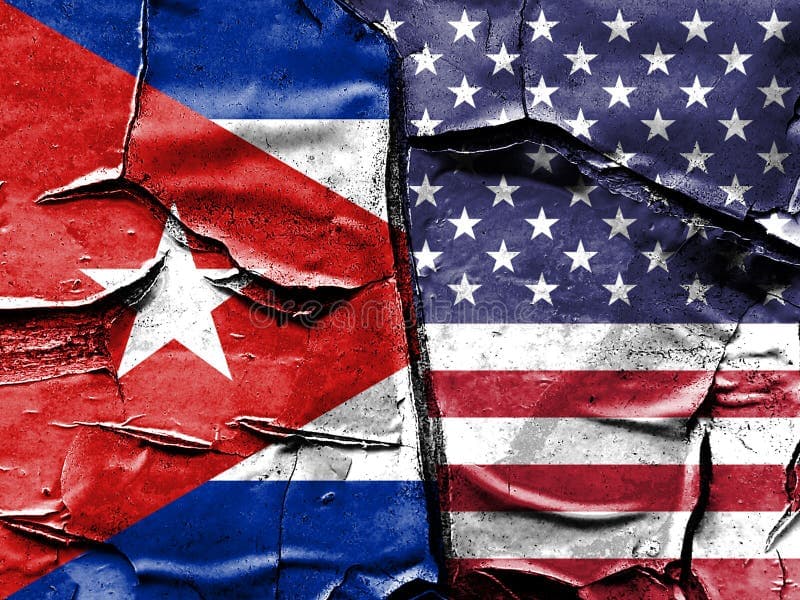
US military planning and public statements from the Trump administration have intensified pressure on Cuba through expanded sanctions, an oil embargo, and calls for internal opposition to coordinate with US intelligence, while Cuban forces conducted nationwide defense exercises in early November to prepare for potential aggression. Rhetoric from President Trump and Secretary of State Marco Rubio has referenced possible naval actions or intervention after Middle East operations, yet analysts note the absence of clear post-action governance options and ongoing US commitments elsewhere make kinetic escalation operationally and politically difficult. Recent infiltration incidents and legal actions against Cuban figures have added friction without triggering direct confrontation, and Cuba continues to emphasize dialogue on equal terms amid its acknowledged conventional disadvantages. The period through early 2027 remains a key window for any shift, though current indicators point to sustained coercive measures rather than immediate military action.
Экспериментальная сводка, созданная ИИ на основе данных Polymarket. Это не является торговой рекомендацией и не влияет на то, как разрешается этот рынок. · ОбновленоView resolved
Не доверяй внешним ссылкам.
Не доверяй внешним ссылкам.
Часто задаваемые вопросы