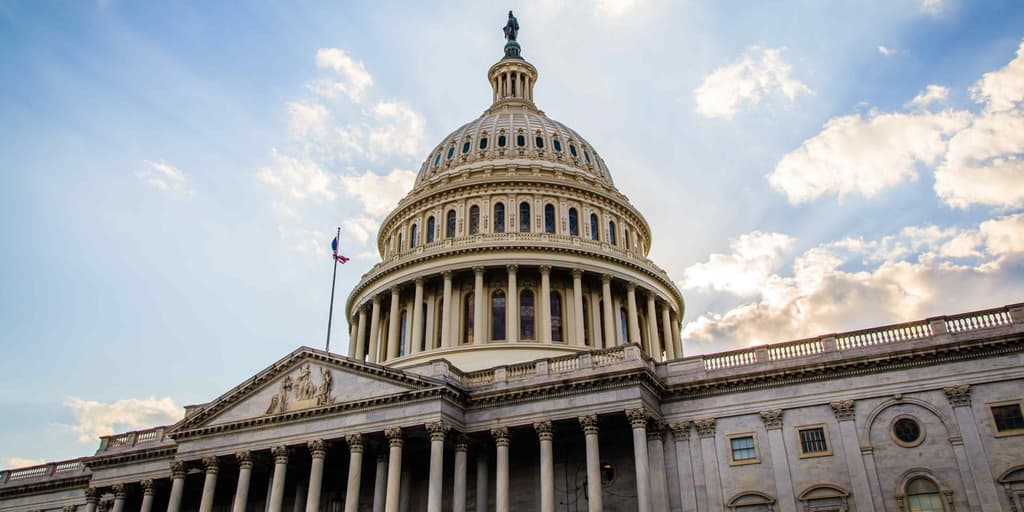
The House Energy and Commerce Committee advanced the Sunshine Protection Act (H.R. 139) in May 2026 with a 48-1 vote as part of the Motor Vehicle Modernization Act, and floor consideration is scheduled for the week of July 13. Trader consensus favoring non-passage by July 17 reflects the bill’s repeated failure to clear the full House despite prior Senate action, including the 2022 unanimous Senate passage that stalled amid objections. Key barriers include opposition from figures such as Sen. Tom Cotton over winter sunrise timing and school safety, limited floor time in a compressed legislative calendar, and the measure’s attachment to unrelated legislation that could invite amendments or procedural delays. The version under consideration would permit state opt-outs, yet these factors sustain skepticism about timely House approval before the deadline.
Експериментальне резюме, згенероване ШІ з посиланням на дані Polymarket. Це не торгова порада і не впливає на вирішення цього ринку. · ОновленоA qualifying bill does not need to pass as a standalone bill or be titled exactly as above, but it must contain legally operative provisions that, if enacted, would end the twice-annual clock-switching in the United States.
Non-binding resolutions, including simple or concurrent resolutions that merely express the sense of the House, recommend that states change their timekeeping policies, or otherwise call for an end to clock-switching without legally implementing such a change, will not qualify.
The resolution source will be official U.S. federal government publications (e.g., https://www.congress.gov) however a consensus of credible reporting may also be used.
Ринок відкрито: Jul 11, 2026, 11:34 AM ET
Resolver
0x65070BE91...A qualifying bill does not need to pass as a standalone bill or be titled exactly as above, but it must contain legally operative provisions that, if enacted, would end the twice-annual clock-switching in the United States.
Non-binding resolutions, including simple or concurrent resolutions that merely express the sense of the House, recommend that states change their timekeeping policies, or otherwise call for an end to clock-switching without legally implementing such a change, will not qualify.
The resolution source will be official U.S. federal government publications (e.g., https://www.congress.gov) however a consensus of credible reporting may also be used.
Resolver
0x65070BE91...The House Energy and Commerce Committee advanced the Sunshine Protection Act (H.R. 139) in May 2026 with a 48-1 vote as part of the Motor Vehicle Modernization Act, and floor consideration is scheduled for the week of July 13. Trader consensus favoring non-passage by July 17 reflects the bill’s repeated failure to clear the full House despite prior Senate action, including the 2022 unanimous Senate passage that stalled amid objections. Key barriers include opposition from figures such as Sen. Tom Cotton over winter sunrise timing and school safety, limited floor time in a compressed legislative calendar, and the measure’s attachment to unrelated legislation that could invite amendments or procedural delays. The version under consideration would permit state opt-outs, yet these factors sustain skepticism about timely House approval before the deadline.
Експериментальне резюме, згенероване ШІ з посиланням на дані Polymarket. Це не торгова порада і не впливає на вирішення цього ринку. · Оновлено
Обережно з зовнішніми посиланнями.
Обережно з зовнішніми посиланнями.
Часті запитання