

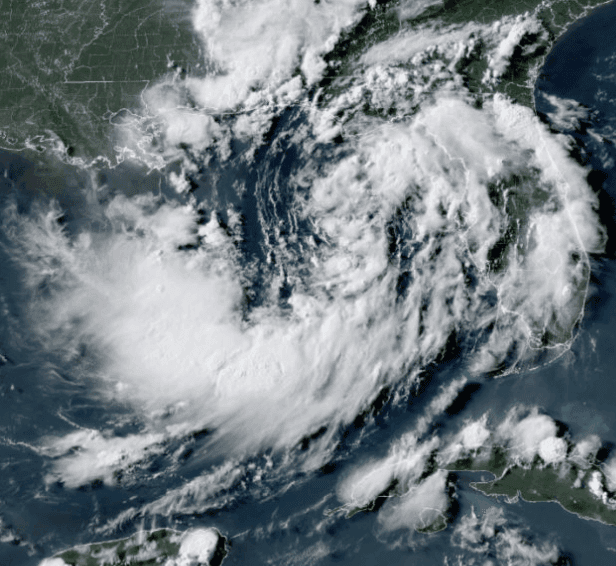
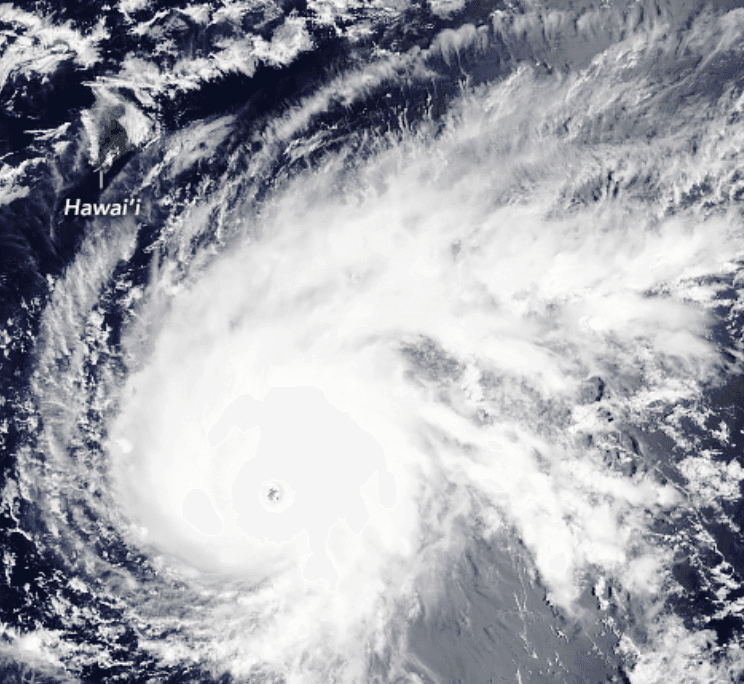
The historically quiet 2026 Atlantic hurricane season, with only six named storms and zero hurricanes through September 21, underpins the 80.9% market-implied probability that fewer than two hurricanes will make U.S. landfall. This marks the latest first hurricane on record in the satellite era and the first such stretch without a hurricane by late September in 112 years, driven by persistent environmental conditions including elevated wind shear and an evolving El Niño pattern that have suppressed intensification. NOAA’s updated seasonal outlook had already called for a below-normal year with just 2–6 hurricanes possible overall. With the climatological peak passed and activity typically declining into November, recent National Hurricane Center observations show no monitored systems poised for rapid development or U.S. impact, though late-season formation remains possible.
Tóm tắt AI thử nghiệm tham chiếu dữ liệu Polymarket. Đây không phải tư vấn giao dịch và không ảnh hưởng đến cách thị trường này được giải quyết. · Cập nhậtWill 2 or more hurricanes make landfall in the US in 2026?
Will 2 or more hurricanes make landfall in the US in 2026?
A hurricane is a tropical cyclone with maximum sustained winds of 74 mph or greater (Category 1 or higher on the Saffir-Simpson Hurricane Wind Scale), as described at https://www.nhc.noaa.gov/aboutsshws.php, and a hurricane landfall is said to occur when the hurricane's surface center intersects with the coastline, as described at https://www.nhc.noaa.gov/aboutgloss.shtml#LANDFALL. A storm must hold hurricane strength (Category 1 or higher on the Saffir-Simpson scale) at the moment its surface center intersects the coastline for that landfall to qualify.
If a single storm makes landfall more than once within this area during this period, each landfall identified as a distinct landfall by the NHC is counted separately toward the total. A storm that briefly moves over open water and returns to make an additional landfall counts as a separate landfall only if the NHC's own reporting identifies it as such; a single continuous track that does not leave and re-strike land counts once.
This market may resolve based on the initial NHC advisory reporting a qualifying landfall regardless of any later advisory, retraction, best-track revision, or reanalysis that revises that storm's intensity downward at the time of landfall. However, if a subsequent advisory or correction identifies a qualifying landfall that was not reflected in initial reporting, that landfall will be added to the count.
Thị trường mở: Jul 24, 2026, 12:04 PM ET
Người giải quyết
0x65070BE91...A hurricane is a tropical cyclone with maximum sustained winds of 74 mph or greater (Category 1 or higher on the Saffir-Simpson Hurricane Wind Scale), as described at https://www.nhc.noaa.gov/aboutsshws.php, and a hurricane landfall is said to occur when the hurricane's surface center intersects with the coastline, as described at https://www.nhc.noaa.gov/aboutgloss.shtml#LANDFALL. A storm must hold hurricane strength (Category 1 or higher on the Saffir-Simpson scale) at the moment its surface center intersects the coastline for that landfall to qualify.
If a single storm makes landfall more than once within this area during this period, each landfall identified as a distinct landfall by the NHC is counted separately toward the total. A storm that briefly moves over open water and returns to make an additional landfall counts as a separate landfall only if the NHC's own reporting identifies it as such; a single continuous track that does not leave and re-strike land counts once.
This market may resolve based on the initial NHC advisory reporting a qualifying landfall regardless of any later advisory, retraction, best-track revision, or reanalysis that revises that storm's intensity downward at the time of landfall. However, if a subsequent advisory or correction identifies a qualifying landfall that was not reflected in initial reporting, that landfall will be added to the count.
Người giải quyết
0x65070BE91...The historically quiet 2026 Atlantic hurricane season, with only six named storms and zero hurricanes through September 21, underpins the 80.9% market-implied probability that fewer than two hurricanes will make U.S. landfall. This marks the latest first hurricane on record in the satellite era and the first such stretch without a hurricane by late September in 112 years, driven by persistent environmental conditions including elevated wind shear and an evolving El Niño pattern that have suppressed intensification. NOAA’s updated seasonal outlook had already called for a below-normal year with just 2–6 hurricanes possible overall. With the climatological peak passed and activity typically declining into November, recent National Hurricane Center observations show no monitored systems poised for rapid development or U.S. impact, though late-season formation remains possible.
Tóm tắt AI thử nghiệm tham chiếu dữ liệu Polymarket. Đây không phải tư vấn giao dịch và không ảnh hưởng đến cách thị trường này được giải quyết. · Cập nhật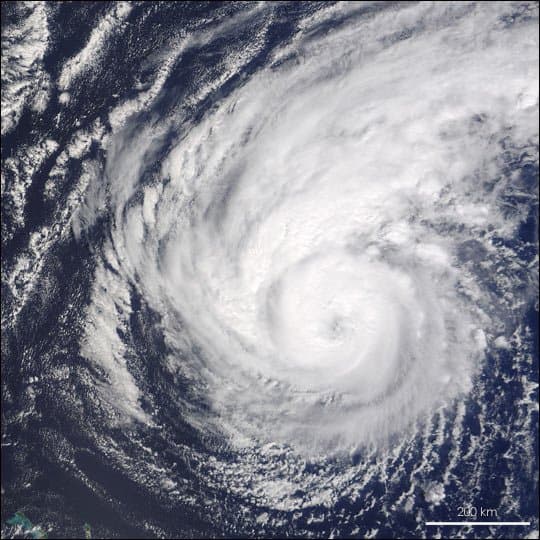
Cẩn thận với liên kết bên ngoài.
Cẩn thận với liên kết bên ngoài.
Câu hỏi thường gặp