
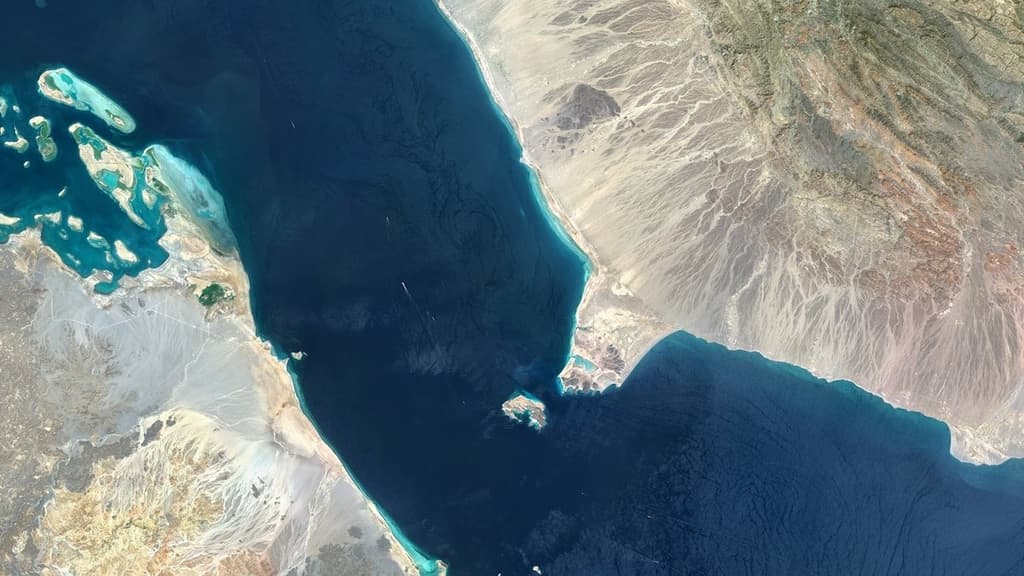
Houthi forces’ rapid seizure of Yemen’s full Red Sea coastline, the port of Mokha, Dhubab, Perim Island, and nearby Hanish Islands in early September has placed the Bab el-Mandeb chokepoint under direct control for the first time. This follows their July maritime embargo on Saudi-linked vessels and coincides with the broader U.S.-Israel-Iran conflict that began in February, which already disrupted the Strait of Hormuz and redirected Saudi crude exports through the strait. Daily transits have fallen sharply from pre-war levels of around 50 vessels to roughly 15–28 recently, driven by insurance withdrawals, rerouting via the Cape of Good Hope, and selective targeting. Houthi officials maintain that navigation remains open except for Saudi traffic and deny any intent to impose a full closure, while Saudi Arabia has vowed a firm response and the UN Security Council has convened on the issue. These territorial gains and sustained traffic declines form the core drivers of market pricing around effective closure.
基於Polymarket數據的AI實驗性摘要。這不是交易建議,也不影響該市場的結算方式。 · 更新於Qatar warns closure of Bab el-Mandeb Strait would be catastrophic
September 15 dips to 0%1%
Qatar's Ministry of Foreign Affairs emphasized the catastrophic global consequences of closing the Bab el-Mandeb Strait and called for international efforts to maintain freedom of navigation. This statement underscored the high stakes and global attention on the strait's status, influencing the September 15 and December 31 outcomes.
Bab el-Mandeb Strait transit calls drop to near zero, signaling effective closure
September 15 drops to 0%14%
IMF PortWatch data showed the 7-day moving average of transit calls through the Bab el-Mandeb Strait dropped to zero on September 15, 2026, indicating an effective closure of the strait. This data point resolved the market in favor of closure by the September 15 outcome.
警惕外部連結哦。
警惕外部連結哦。
Frequently Asked Questions