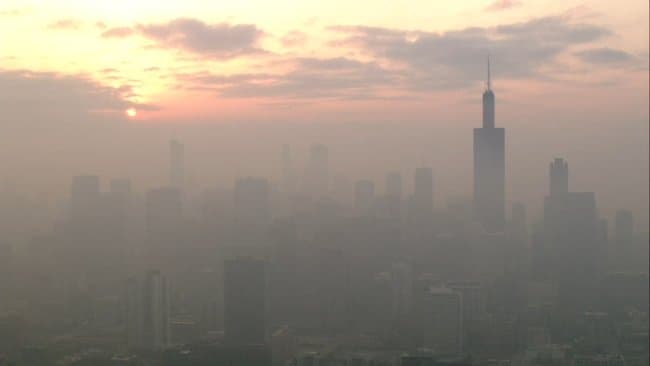
Wildfire smoke from Canadian and Minnesota fires, combined with elevated ground-level ozone, has driven Chicago's AQI into hazardous territory above 300–400 in recent days, far exceeding the 100 threshold. PM2.5 particulates from transported smoke dominate readings alongside ozone formed when nitrogen oxides and volatile organic compounds react under intense summer sunlight and heat, as monitored by the EPA's AirNow.gov and Illinois EPA networks. NWS alerts highlight marine and temperature inversions trapping pollutants near Lake Michigan. Daily AirNow forecasts and model updates on wind patterns could signal clearing by late July 18–19 if dispersion improves, though persistent heat may sustain ozone risks. Trader sentiment reflects these short-term meteorological shifts and official monitoring thresholds.
基于Polymarket数据的AI实验性摘要。这不是交易建议,也不影响该市场的结算方式。 · 更新于芝加哥空气质量指数低于100... ?
芝加哥空气质量指数低于100... ?
7月18日
50%
7月19日
50%
7月20日
50%
7月21日
50%
$0.00 交易量
7月18日
50%
7月19日
50%
7月20日
50%
7月21日
50%
This market's resolution source will be https://www.airnow.gov/state/?name=illinois. To get to the figures used to resolve this market, select the "Historical Air Quality" tab, then find the finalized figure for the"Chicago" row under the "Daily AQI for PM2.5" column.
This market may remain open for two days after the specified date to confirm the daily AQI figures for the specified timeframe. If the figures remain unavailable, another credible resolution source will be chosen.
市场开放时间: Jul 17, 2026, 12:34 PM ET
This market's resolution source will be https://www.airnow.gov/state/?name=illinois. To get to the figures used to resolve this market, select the "Historical Air Quality" tab, then find the finalized figure for the"Chicago" row under the "Daily AQI for PM2.5" column.
This market may remain open for two days after the specified date to confirm the daily AQI figures for the specified timeframe. If the figures remain unavailable, another credible resolution source will be chosen.
Wildfire smoke from Canadian and Minnesota fires, combined with elevated ground-level ozone, has driven Chicago's AQI into hazardous territory above 300–400 in recent days, far exceeding the 100 threshold. PM2.5 particulates from transported smoke dominate readings alongside ozone formed when nitrogen oxides and volatile organic compounds react under intense summer sunlight and heat, as monitored by the EPA's AirNow.gov and Illinois EPA networks. NWS alerts highlight marine and temperature inversions trapping pollutants near Lake Michigan. Daily AirNow forecasts and model updates on wind patterns could signal clearing by late July 18–19 if dispersion improves, though persistent heat may sustain ozone risks. Trader sentiment reflects these short-term meteorological shifts and official monitoring thresholds.
基于Polymarket数据的AI实验性摘要。这不是交易建议,也不影响该市场的结算方式。 · 更新于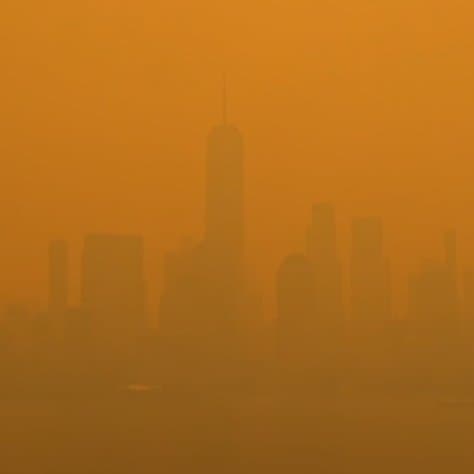
警惕外部链接哦。
警惕外部链接哦。
常见问题