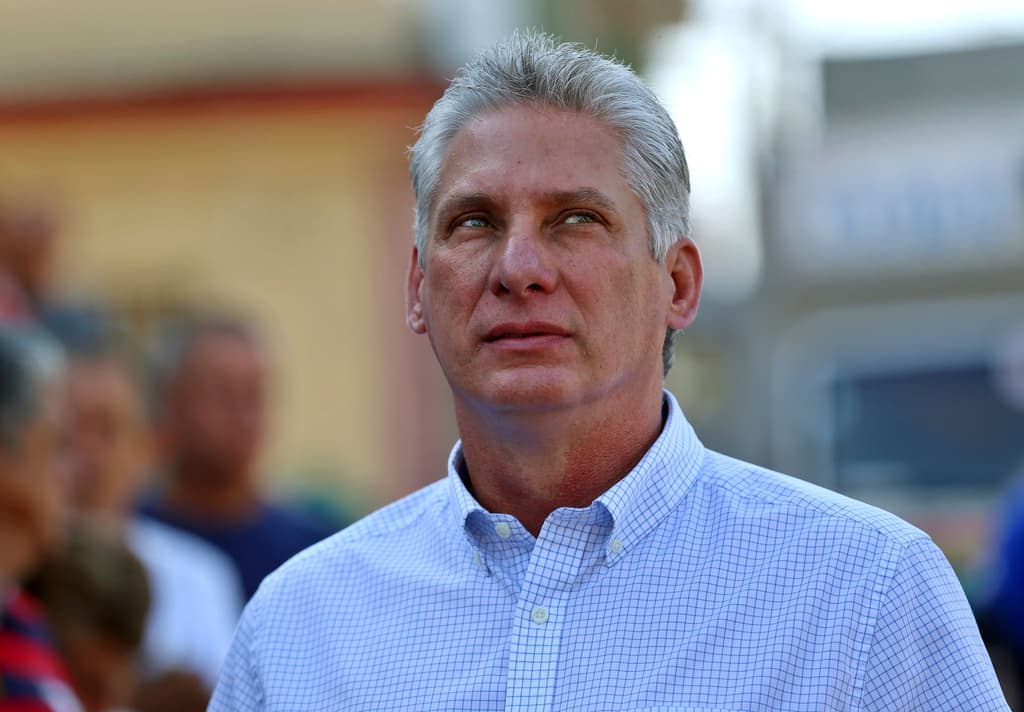
US-Cuba relations feature intensified sanctions under the current administration, including direct Treasury designations on Miguel Díaz-Canel, his family, and Cuban entities in June and September 2026, alongside broader economic measures exceeding 240 actions since January. Diplomatic talks have occurred, including exchanges on bilateral issues and energy concerns, with Cuban officials emphasizing sovereignty and reciprocity, while the US has pursued maximum pressure without military or extradition moves against the sitting leader. Díaz-Canel has publicly dismissed concerns over detention or similar actions, citing Cuba’s institutional defenses and lack of threat to US security. No verified custody-related developments, indictments, or jurisdictional pathways exist, and Cuba’s sovereign status plus absence of applicable US authority create significant barriers absent major escalations such as direct intervention. Trader consensus reflects these constraints, with scheduled events like ongoing talks or policy deadlines unlikely to alter the outlook without unforeseen shifts.
基于Polymarket数据的AI实验性摘要。这不是交易建议,也不影响该市场的结算方式。 · 更新于$66,106 交易量
12月31日
5%
$66,106 交易量
12月31日
5%
Miguel Díaz-Canel will be considered taken into U.S. government custody if U.S. government personnel (including military, CIA, personnel of another agency, or contractors acting under direct U.S. government authority) physically detain, arrest, capture, or otherwise assume physical custodial control of Miguel Díaz-Canel, regardless of location or duration.
Visits, interactions with U.S. government personnel, or Miguel Díaz-Canel’s presence in U.S. spaces (including vessels, bases, facilities, or meetings) in a voluntary, non-detained capacity will not qualify. A voluntary surrender to U.S. personnel in which Miguel Díaz-Canel submits to U.S. custody, however, will qualify.
Custody that is carried out by non-U.S. entities (including allied or partner forces) will not qualify unless U.S. personnel are physically present and themselves assume custodial control of Miguel Díaz-Canel, or unless a subsequent transfer into U.S. custody occurs.
The resolution sources for this market will be official information from the U.S. government and a consensus of credible reporting.
市场开放时间: Jun 30, 2026, 7:48 PM ET
Miguel Díaz-Canel will be considered taken into U.S. government custody if U.S. government personnel (including military, CIA, personnel of another agency, or contractors acting under direct U.S. government authority) physically detain, arrest, capture, or otherwise assume physical custodial control of Miguel Díaz-Canel, regardless of location or duration.
Visits, interactions with U.S. government personnel, or Miguel Díaz-Canel’s presence in U.S. spaces (including vessels, bases, facilities, or meetings) in a voluntary, non-detained capacity will not qualify. A voluntary surrender to U.S. personnel in which Miguel Díaz-Canel submits to U.S. custody, however, will qualify.
Custody that is carried out by non-U.S. entities (including allied or partner forces) will not qualify unless U.S. personnel are physically present and themselves assume custodial control of Miguel Díaz-Canel, or unless a subsequent transfer into U.S. custody occurs.
The resolution sources for this market will be official information from the U.S. government and a consensus of credible reporting.
US-Cuba relations feature intensified sanctions under the current administration, including direct Treasury designations on Miguel Díaz-Canel, his family, and Cuban entities in June and September 2026, alongside broader economic measures exceeding 240 actions since January. Diplomatic talks have occurred, including exchanges on bilateral issues and energy concerns, with Cuban officials emphasizing sovereignty and reciprocity, while the US has pursued maximum pressure without military or extradition moves against the sitting leader. Díaz-Canel has publicly dismissed concerns over detention or similar actions, citing Cuba’s institutional defenses and lack of threat to US security. No verified custody-related developments, indictments, or jurisdictional pathways exist, and Cuba’s sovereign status plus absence of applicable US authority create significant barriers absent major escalations such as direct intervention. Trader consensus reflects these constraints, with scheduled events like ongoing talks or policy deadlines unlikely to alter the outlook without unforeseen shifts.
基于Polymarket数据的AI实验性摘要。这不是交易建议,也不影响该市场的结算方式。 · 更新于


警惕外部链接哦。
警惕外部链接哦。
常见问题