
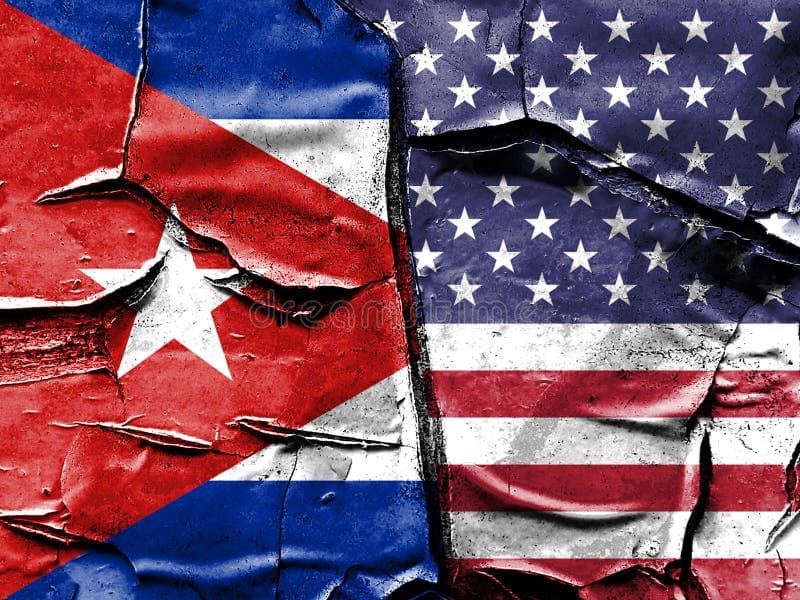
Intensified U.S. sanctions and an oil blockade since January 2026 have deepened Cuba’s fuel shortages, power outages, and economic strain under the Communist Party of Cuba and First Secretary Miguel Díaz-Canel. Despite explicit calls for leadership change and pressure tactics modeled on Venezuela, the regime has retained de facto control through cohesive military and security structures, diplomatic negotiations with Washington, prisoner releases, and June 2026 economic reforms aimed at attracting investment and decentralizing administration. Analysts note the Cuban system’s repeated capacity to manage internal dissent and external coercion without core institutional collapse, supporting the 88.5% trader-implied probability that the regime will not fall by year-end.
基于Polymarket数据的AI实验性摘要。这不是交易建议,也不影响该市场的结算方式。 · 更新于是
$1,613,586 交易量
$1,613,586 交易量
是
$1,613,586 交易量
$1,613,586 交易量
A “Yes” resolution requires a clear and widely reported break from the PCC’s historical control over the government of Cuba. This may include events such as the overthrow or dissolution of the PCC and its replacement by a new government or transitional authority, the constitutional removal of the PCC’s status as the sole ruling party followed by a transfer of governing power to a different political entity, or the holding of multi-party national elections that result in a government not controlled by the PCC. A “Yes” resolution does not require the formal dissolution of the PCC, provided the PCC no longer exercises de facto governing control over Cuba.
Leadership changes within the PCC, including replacement of the First Secretary, or governmental reforms that preserve the PCC’s de facto governing control over Cuba, will not suffice. Partial loss of territory, civil unrest, or challenges by rebel or exile groups will not qualify unless the PCC no longer administers the majority of the Cuban population within Cuba.
The primary resolution source will be a consensus of credible reporting.
市场开放时间: Mar 10, 2026, 7:56 PM ET
Resolver
0x65070BE91...A “Yes” resolution requires a clear and widely reported break from the PCC’s historical control over the government of Cuba. This may include events such as the overthrow or dissolution of the PCC and its replacement by a new government or transitional authority, the constitutional removal of the PCC’s status as the sole ruling party followed by a transfer of governing power to a different political entity, or the holding of multi-party national elections that result in a government not controlled by the PCC. A “Yes” resolution does not require the formal dissolution of the PCC, provided the PCC no longer exercises de facto governing control over Cuba.
Leadership changes within the PCC, including replacement of the First Secretary, or governmental reforms that preserve the PCC’s de facto governing control over Cuba, will not suffice. Partial loss of territory, civil unrest, or challenges by rebel or exile groups will not qualify unless the PCC no longer administers the majority of the Cuban population within Cuba.
The primary resolution source will be a consensus of credible reporting.
Resolver
0x65070BE91...Intensified U.S. sanctions and an oil blockade since January 2026 have deepened Cuba’s fuel shortages, power outages, and economic strain under the Communist Party of Cuba and First Secretary Miguel Díaz-Canel. Despite explicit calls for leadership change and pressure tactics modeled on Venezuela, the regime has retained de facto control through cohesive military and security structures, diplomatic negotiations with Washington, prisoner releases, and June 2026 economic reforms aimed at attracting investment and decentralizing administration. Analysts note the Cuban system’s repeated capacity to manage internal dissent and external coercion without core institutional collapse, supporting the 88.5% trader-implied probability that the regime will not fall by year-end.
基于Polymarket数据的AI实验性摘要。这不是交易建议,也不影响该市场的结算方式。 · 更新于

警惕外部链接哦。
警惕外部链接哦。
常见问题