Щоб торгувати в США, перейдіть на polymarket.us

icon for Government shutdown by October 1?

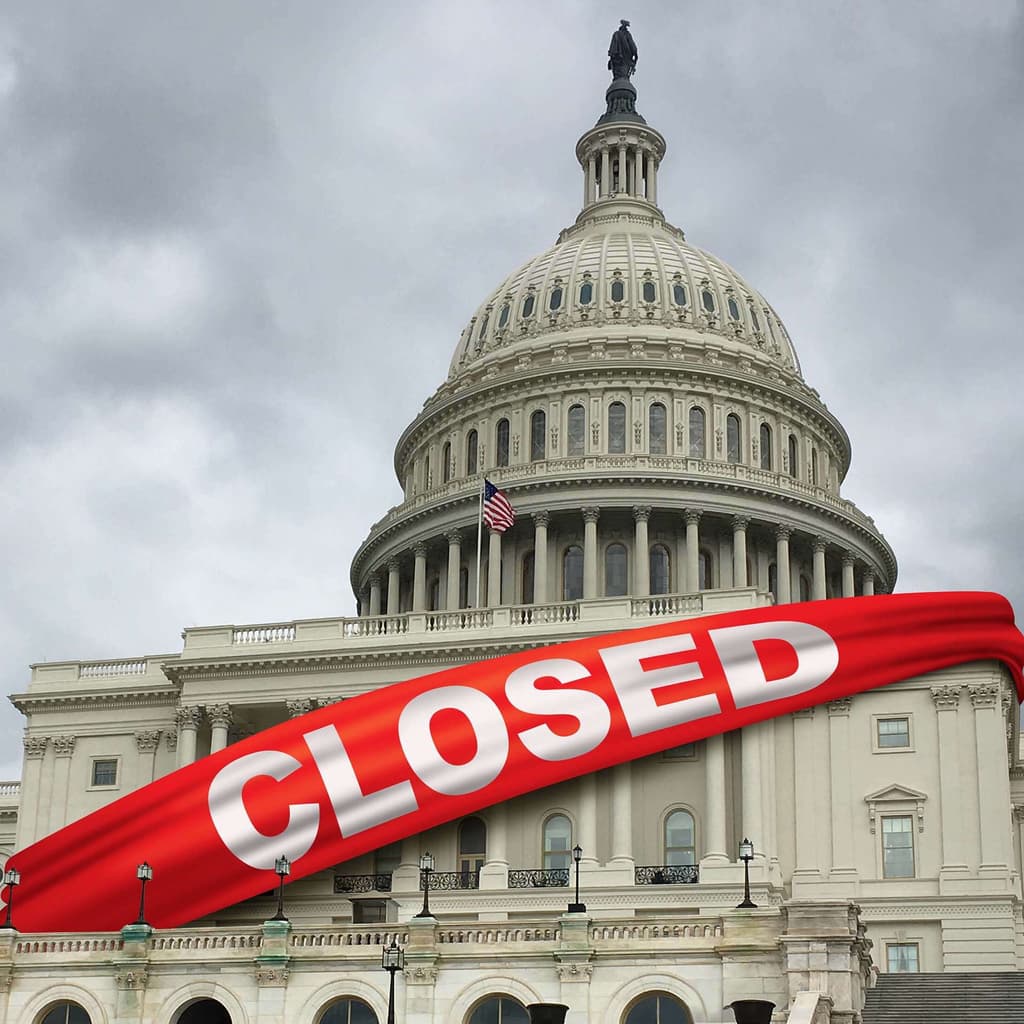
Government shutdown by October 1?

icon for Government shutdown by October 1?

Government shutdown by October 1?

2% шанс
Polymarket

$15,800 Обс.

2% шанс
Polymarket

$15,800 Обс.

This market will resolve to "Yes" if the United States federal government enters a shutdown due to a lapse in appropriations by the specified date, 11:59 PM ET. Otherwise, this market will resolve to "No". A U.S. federal government shutdown is considered to have gone into effect when there is a lapse in appropriations that results in federal government agencies suspending non-excepted operations, typically including the furlough of non-excepted federal employees. A lapse in appropriations occurs when Congress fails to enact, or the President fails to sign into law, legislation providing funding authority for federal government operations by an applicable deadline, resulting in a funding lapse. A lapse in appropriations where no federal agencies cease or suspend non-excepted operations will not qualify as a shutdown. Partial shutdowns qualify. A shutdown affecting one or more, but not all, federal agencies constitutes a shutdown. The following will qualify as a shutdown: - An official directive from the Office of Management and Budget (OMB) ordering heads of affected agencies to execute shutdown plans (e.g., an instruction to "execute plans for an orderly shutdown") that is in effect by the specified date and time - An official operating status published by the U.S. Office of Personnel Management (OPM) indicating that, due to a lapse in appropriations, federal government operations are suspended, reduced, or vary by agency (e.g., a notice that "due to a partial lapse in appropriations, Federal Government operations vary by agency") The following will not qualify as a shutdown: - A technical lapse in appropriations where OMB or other authorized authority directs agencies to continue normal or substantially normal operations - Government closures or operating status changes resulting solely from Federal holidays, inclement weather, natural disasters, or other emergencies, unless such closures coincide with a qualifying shutdown caused by a lapse in appropriations The primary resolution source for this market will be official information from the United States government, including the U.S. Office of Personnel Management (OPM); however, a consensus of credible reporting may also be used.Congress enacted a continuing resolution (P.L. 119-103) on September 2, 2026, extending federal funding at current levels through December 11 and directly preventing any appropriations lapse on October 1. The measure cleared the Senate 90-6 and the House 370-48 before President Trump signed it, reflecting broad bipartisan support to sidestep a pre-midterm shutdown after last year's extended impasse. Lawmakers prioritized this early stopgap to allow post-election negotiations on full-year appropriations while maintaining operations for agencies and programs. With the law already in force, traders assign only a 1.9% chance of a shutdown by the deadline. An unforeseen legal challenge to the CR or sudden congressional reversal before October 1 remains the only narrow path to altering the outcome, though neither scenario shows credible momentum.

This market will resolve to "Yes" if the United States federal government enters a shutdown due to a lapse in appropriations by the specified date, 11:59 PM ET. Otherwise, this market will resolve to "No".

A U.S. federal government shutdown is considered to have gone into effect when there is a lapse in appropriations that results in federal government agencies suspending non-excepted operations, typically including the furlough of non-excepted federal employees.

A lapse in appropriations occurs when Congress fails to enact, or the President fails to sign into law, legislation providing funding authority for federal government operations by an applicable deadline, resulting in a funding lapse. A lapse in appropriations where no federal agencies cease or suspend non-excepted operations will not qualify as a shutdown.

Partial shutdowns qualify. A shutdown affecting one or more, but not all, federal agencies constitutes a shutdown.

The following will qualify as a shutdown:

- An official directive from the Office of Management and Budget (OMB) ordering heads of affected agencies to execute shutdown plans (e.g., an instruction to "execute plans for an orderly shutdown") that is in effect by the specified date and time
- An official operating status published by the U.S. Office of Personnel Management (OPM) indicating that, due to a lapse in appropriations, federal government operations are suspended, reduced, or vary by agency (e.g., a notice that "due to a partial lapse in appropriations, Federal Government operations vary by agency")

The following will not qualify as a shutdown:

- A technical lapse in appropriations where OMB or other authorized authority directs agencies to continue normal or substantially normal operations
- Government closures or operating status changes resulting solely from Federal holidays, inclement weather, natural disasters, or other emergencies, unless such closures coincide with a qualifying shutdown caused by a lapse in appropriations

The primary resolution source for this market will be official information from the United States government, including the U.S. Office of Personnel Management (OPM); however, a consensus of credible reporting may also be used.
This market will resolve to "Yes" if the United States federal government enters a shutdown due to a lapse in appropriations by the specified date, 11:59 PM ET. Otherwise, this market will resolve to "No". A U.S. federal government shutdown is considered to have gone into effect when there is a lapse in appropriations that results in federal government agencies suspending non-excepted operations, typically including the furlough of non-excepted federal employees. A lapse in appropriations occurs when Congress fails to enact, or the President fails to sign into law, legislation providing funding authority for federal government operations by an applicable deadline, resulting in a funding lapse. A lapse in appropriations where no federal agencies cease or suspend non-excepted operations will not qualify as a shutdown. Partial shutdowns qualify. A shutdown affecting one or more, but not all, federal agencies constitutes a shutdown. The following will qualify as a shutdown: - An official directive from the Office of Management and Budget (OMB) ordering heads of affected agencies to execute shutdown plans (e.g., an instruction to "execute plans for an orderly shutdown") that is in effect by the specified date and time - An official operating status published by the U.S. Office of Personnel Management (OPM) indicating that, due to a lapse in appropriations, federal government operations are suspended, reduced, or vary by agency (e.g., a notice that "due to a partial lapse in appropriations, Federal Government operations vary by agency") The following will not qualify as a shutdown: - A technical lapse in appropriations where OMB or other authorized authority directs agencies to continue normal or substantially normal operations - Government closures or operating status changes resulting solely from Federal holidays, inclement weather, natural disasters, or other emergencies, unless such closures coincide with a qualifying shutdown caused by a lapse in appropriations The primary resolution source for this market will be official information from the United States government, including the U.S. Office of Personnel Management (OPM); however, a consensus of credible reporting may also be used.
Обсяг
$15,800
Дата завершення
Oct 2, 2026
Ринок відкрито
Jun 10, 2026, 12:27 PM ET

Вирішувач

0x65070BE91...
This market will resolve to "Yes" if the United States federal government enters a shutdown due to a lapse in appropriations by the specified date, 11:59 PM ET. Otherwise, this market will resolve to "No". A U.S. federal government shutdown is considered to have gone into effect when there is a lapse in appropriations that results in federal government agencies suspending non-excepted operations, typically including the furlough of non-excepted federal employees. A lapse in appropriations occurs when Congress fails to enact, or the President fails to sign into law, legislation providing funding authority for federal government operations by an applicable deadline, resulting in a funding lapse. A lapse in appropriations where no federal agencies cease or suspend non-excepted operations will not qualify as a shutdown. Partial shutdowns qualify. A shutdown affecting one or more, but not all, federal agencies constitutes a shutdown. The following will qualify as a shutdown: - An official directive from the Office of Management and Budget (OMB) ordering heads of affected agencies to execute shutdown plans (e.g., an instruction to "execute plans for an orderly shutdown") that is in effect by the specified date and time - An official operating status published by the U.S. Office of Personnel Management (OPM) indicating that, due to a lapse in appropriations, federal government operations are suspended, reduced, or vary by agency (e.g., a notice that "due to a partial lapse in appropriations, Federal Government operations vary by agency") The following will not qualify as a shutdown: - A technical lapse in appropriations where OMB or other authorized authority directs agencies to continue normal or substantially normal operations - Government closures or operating status changes resulting solely from Federal holidays, inclement weather, natural disasters, or other emergencies, unless such closures coincide with a qualifying shutdown caused by a lapse in appropriations The primary resolution source for this market will be official information from the United States government, including the U.S. Office of Personnel Management (OPM); however, a consensus of credible reporting may also be used.Congress enacted a continuing resolution (P.L. 119-103) on September 2, 2026, extending federal funding at current levels through December 11 and directly preventing any appropriations lapse on October 1. The measure cleared the Senate 90-6 and the House 370-48 before President Trump signed it, reflecting broad bipartisan support to sidestep a pre-midterm shutdown after last year's extended impasse. Lawmakers prioritized this early stopgap to allow post-election negotiations on full-year appropriations while maintaining operations for agencies and programs. With the law already in force, traders assign only a 1.9% chance of a shutdown by the deadline. An unforeseen legal challenge to the CR or sudden congressional reversal before October 1 remains the only narrow path to altering the outcome, though neither scenario shows credible momentum.

This market will resolve to "Yes" if the United States federal government enters a shutdown due to a lapse in appropriations by the specified date, 11:59 PM ET. Otherwise, this market will resolve to "No".

A U.S. federal government shutdown is considered to have gone into effect when there is a lapse in appropriations that results in federal government agencies suspending non-excepted operations, typically including the furlough of non-excepted federal employees.

A lapse in appropriations occurs when Congress fails to enact, or the President fails to sign into law, legislation providing funding authority for federal government operations by an applicable deadline, resulting in a funding lapse. A lapse in appropriations where no federal agencies cease or suspend non-excepted operations will not qualify as a shutdown.

Partial shutdowns qualify. A shutdown affecting one or more, but not all, federal agencies constitutes a shutdown.

The following will qualify as a shutdown:

- An official directive from the Office of Management and Budget (OMB) ordering heads of affected agencies to execute shutdown plans (e.g., an instruction to "execute plans for an orderly shutdown") that is in effect by the specified date and time
- An official operating status published by the U.S. Office of Personnel Management (OPM) indicating that, due to a lapse in appropriations, federal government operations are suspended, reduced, or vary by agency (e.g., a notice that "due to a partial lapse in appropriations, Federal Government operations vary by agency")

The following will not qualify as a shutdown:

- A technical lapse in appropriations where OMB or other authorized authority directs agencies to continue normal or substantially normal operations
- Government closures or operating status changes resulting solely from Federal holidays, inclement weather, natural disasters, or other emergencies, unless such closures coincide with a qualifying shutdown caused by a lapse in appropriations

The primary resolution source for this market will be official information from the United States government, including the U.S. Office of Personnel Management (OPM); however, a consensus of credible reporting may also be used.
This market will resolve to "Yes" if the United States federal government enters a shutdown due to a lapse in appropriations by the specified date, 11:59 PM ET. Otherwise, this market will resolve to "No". A U.S. federal government shutdown is considered to have gone into effect when there is a lapse in appropriations that results in federal government agencies suspending non-excepted operations, typically including the furlough of non-excepted federal employees. A lapse in appropriations occurs when Congress fails to enact, or the President fails to sign into law, legislation providing funding authority for federal government operations by an applicable deadline, resulting in a funding lapse. A lapse in appropriations where no federal agencies cease or suspend non-excepted operations will not qualify as a shutdown. Partial shutdowns qualify. A shutdown affecting one or more, but not all, federal agencies constitutes a shutdown. The following will qualify as a shutdown: - An official directive from the Office of Management and Budget (OMB) ordering heads of affected agencies to execute shutdown plans (e.g., an instruction to "execute plans for an orderly shutdown") that is in effect by the specified date and time - An official operating status published by the U.S. Office of Personnel Management (OPM) indicating that, due to a lapse in appropriations, federal government operations are suspended, reduced, or vary by agency (e.g., a notice that "due to a partial lapse in appropriations, Federal Government operations vary by agency") The following will not qualify as a shutdown: - A technical lapse in appropriations where OMB or other authorized authority directs agencies to continue normal or substantially normal operations - Government closures or operating status changes resulting solely from Federal holidays, inclement weather, natural disasters, or other emergencies, unless such closures coincide with a qualifying shutdown caused by a lapse in appropriations The primary resolution source for this market will be official information from the United States government, including the U.S. Office of Personnel Management (OPM); however, a consensus of credible reporting may also be used.
Обсяг
$15,800
Дата завершення
Oct 2, 2026
Ринок відкрито
Jun 10, 2026, 12:27 PM ET

Вирішувач

0x65070BE91...

Обережно з зовнішніми посиланнями.

Часті запитання

«Government shutdown by October 1?» — це ринок прогнозів на Polymarket, де трейдери купують і продають акції «Так» або «Ні» залежно від того, чи вірять вони, що ця подія станеться. Поточна краудсорсингова ймовірність — 2% для «Yes». Наприклад, якщо «Так» коштує 2¢, ринок колективно оцінює шанс цієї події в 2%. Ці шанси безперервно змінюються, коли трейдери реагують на нові події. Акції правильного результату погашаються по $1 кожна при вирішенні ринку.

Станом на сьогодні, «Government shutdown by October 1?» згенерував $15.8K загального обсягу торгів з моменту запуску ринку Jun 10, 2026. Цей рівень торгової активності відображає сильну залученість спільноти Polymarket та забезпечує, що поточні шанси базуються на глибокому пулі учасників ринку. Ви можете відстежувати рухи цін наживо та торгувати будь-яким результатом прямо на цій сторінці.

Щоб торгувати на «Government shutdown by October 1?», просто оберіть, чи вірите ви, що відповідь — «Так» або «Ні». Кожна сторона має поточну ціну, що відображає ймовірність ринку. Введіть суму та натисніть «Торгувати». Якщо ви купили акції «Так» і результат — «Так», кожна акція виплачує $1. Якщо «Ні» — ваші акції «Так» коштують $0. Ви також можете продати акції в будь-який час до вирішення.

Поточна ймовірність для «Government shutdown by October 1?» — 2% для «Yes». Це означає, що спільнота Polymarket вважає, що є 2% шанс, що ця подія станеться. Ці шанси оновлюються в реальному часі.

Правила вирішення для «Government shutdown by October 1?» точно визначають, що має статися для оголошення переможця — включаючи офіційні джерела даних. Ви можете переглянути повні критерії вирішення в розділі «Правила» на цій сторінці. Рекомендуємо уважно прочитати правила перед торгівлею.