
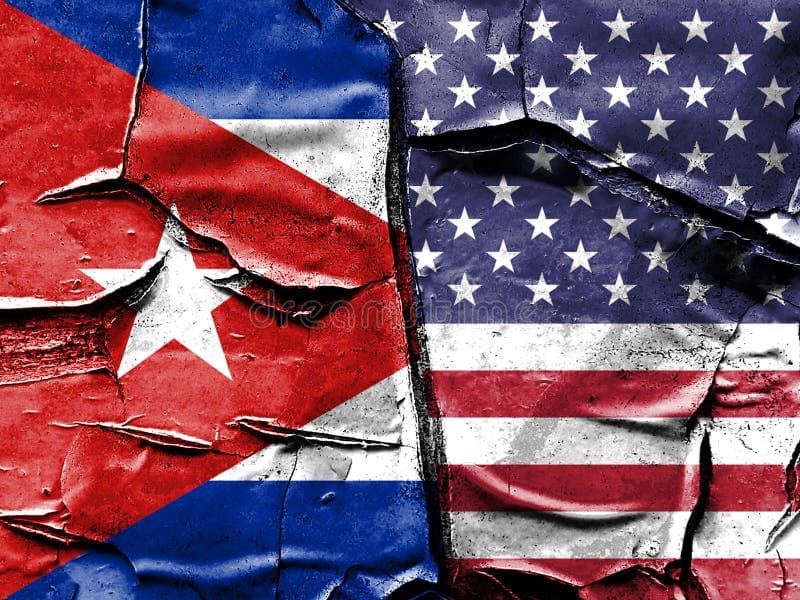
**Severe economic and energy pressures, including repeated nationwide blackouts, fuel shortages, and widespread shortages of food and medicine, have intensified in 2026 under tightened U.S. sanctions and an oil blockade.** These conditions have fueled localized protests such as cacerolazos and demonstrations across Havana and other areas, with NGOs documenting hundreds of events in the first half of the year. However, the Cuban Communist Party government under Miguel Díaz-Canel has maintained control through its security apparatus, military cohesion, and repression, preventing protests from scaling into a sustained challenge capable of forcing regime change. U.S. policy has emphasized economic attrition and sanctions targeting officials, entities, and sectors, alongside efforts to identify potential internal successors, rather than immediate military action. Statements from administration figures have adjusted timelines, with expectations now centered on placing Cuba on an "irreversible path" toward change by the end of the current term rather than rapid collapse. The regime's centralized institutions, limited organized opposition, and ongoing emigration have further buffered against internal fracture. Recent months show stalled negotiations, continued sanctions, and no decisive events tipping the balance toward regime fall by year-end, aligning with trader consensus reflected in the high "No" probability. Structural resilience and the absence of elite splits or mass mobilization remain the dominant factors sustaining the current outlook.
Tóm tắt AI thử nghiệm tham chiếu dữ liệu Polymarket. Đây không phải tư vấn giao dịch và không ảnh hưởng đến cách thị trường này được giải quyết. · Cập nhậtCuban regime falls in 2026?
Cuban regime falls in 2026?
$1,629,376 KL.
$1,629,376 KL.
$1,629,376 KL.
$1,629,376 KL.
A “Yes” resolution requires a clear and widely reported break from the PCC’s historical control over the government of Cuba. This may include events such as the overthrow or dissolution of the PCC and its replacement by a new government or transitional authority, the constitutional removal of the PCC’s status as the sole ruling party followed by a transfer of governing power to a different political entity, or the holding of multi-party national elections that result in a government not controlled by the PCC. A “Yes” resolution does not require the formal dissolution of the PCC, provided the PCC no longer exercises de facto governing control over Cuba.
Leadership changes within the PCC, including replacement of the First Secretary, or governmental reforms that preserve the PCC’s de facto governing control over Cuba, will not suffice. Partial loss of territory, civil unrest, or challenges by rebel or exile groups will not qualify unless the PCC no longer administers the majority of the Cuban population within Cuba.
The primary resolution source will be a consensus of credible reporting.
Thị trường mở: Mar 10, 2026, 7:56 PM ET
Resolver
0x65070BE91...A “Yes” resolution requires a clear and widely reported break from the PCC’s historical control over the government of Cuba. This may include events such as the overthrow or dissolution of the PCC and its replacement by a new government or transitional authority, the constitutional removal of the PCC’s status as the sole ruling party followed by a transfer of governing power to a different political entity, or the holding of multi-party national elections that result in a government not controlled by the PCC. A “Yes” resolution does not require the formal dissolution of the PCC, provided the PCC no longer exercises de facto governing control over Cuba.
Leadership changes within the PCC, including replacement of the First Secretary, or governmental reforms that preserve the PCC’s de facto governing control over Cuba, will not suffice. Partial loss of territory, civil unrest, or challenges by rebel or exile groups will not qualify unless the PCC no longer administers the majority of the Cuban population within Cuba.
The primary resolution source will be a consensus of credible reporting.
Resolver
0x65070BE91...**Severe economic and energy pressures, including repeated nationwide blackouts, fuel shortages, and widespread shortages of food and medicine, have intensified in 2026 under tightened U.S. sanctions and an oil blockade.** These conditions have fueled localized protests such as cacerolazos and demonstrations across Havana and other areas, with NGOs documenting hundreds of events in the first half of the year. However, the Cuban Communist Party government under Miguel Díaz-Canel has maintained control through its security apparatus, military cohesion, and repression, preventing protests from scaling into a sustained challenge capable of forcing regime change. U.S. policy has emphasized economic attrition and sanctions targeting officials, entities, and sectors, alongside efforts to identify potential internal successors, rather than immediate military action. Statements from administration figures have adjusted timelines, with expectations now centered on placing Cuba on an "irreversible path" toward change by the end of the current term rather than rapid collapse. The regime's centralized institutions, limited organized opposition, and ongoing emigration have further buffered against internal fracture. Recent months show stalled negotiations, continued sanctions, and no decisive events tipping the balance toward regime fall by year-end, aligning with trader consensus reflected in the high "No" probability. Structural resilience and the absence of elite splits or mass mobilization remain the dominant factors sustaining the current outlook.
Tóm tắt AI thử nghiệm tham chiếu dữ liệu Polymarket. Đây không phải tư vấn giao dịch và không ảnh hưởng đến cách thị trường này được giải quyết. · Cập nhật

Cẩn thận với liên kết bên ngoài.
Cẩn thận với liên kết bên ngoài.
Câu hỏi thường gặp