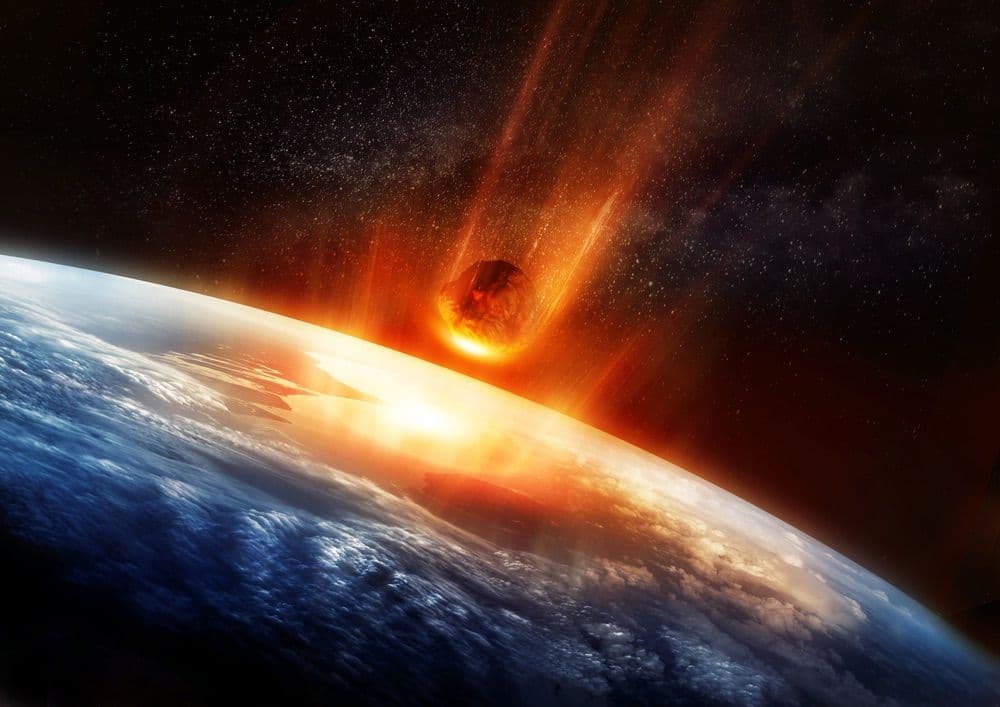
Extensive astronomical surveys using ground- and space-based telescopes, radar systems, and orbital monitoring by NASA and ESA have identified no near-Earth objects capable of delivering a 1-megaton impact in 2026, driving the 98.7% market-implied probability for "No." Continuous tracking of the risk list shows only distant, low-probability encounters years or decades ahead, with no credible threats emerging in recent months. High trader consensus reflects this verified absence of candidates combined with the short remaining timeframe. Realistic scenarios that could still shift outcomes include the very late discovery of a small, fast-approaching asteroid missed by current detection networks or an unforeseen orbital perturbation, though such events remain statistically improbable given ongoing planetary defense coverage.
基於Polymarket數據的AI實驗性摘要。這不是交易建議,也不影響該市場的結算方式。 · 更新於是
$116,322 交易量
$116,322 交易量
是
$116,322 交易量
$116,322 交易量
The object must be classified as a natural meteoroid; events involving artificial objects or reentry vehicles do not qualify.
The primary resolution source will be the NASA JPL Fireball and Bolide Data repository: https://cneos.jpl.nasa.gov/fireballs/. The relevant field for determining impact energy is the “Impact Energy (kt)” column. If this dataset has not been updated to include all relevant dates by February 28, 2027, or if the NASA JPL Fireball and Bolide Data repository becomes permanently unavailable, this market may resolve based on a consensus of credible sources including the European Space Agency (ESA), the International Asteroid Warning Network (IAWN), the U.S. Department of Defense, or credible reporting of a scientific consensus, such as a NASA press release.
市場開放時間: Jan 2, 2026, 2:24 PM ET
Resolver
0x65070BE91...The object must be classified as a natural meteoroid; events involving artificial objects or reentry vehicles do not qualify.
The primary resolution source will be the NASA JPL Fireball and Bolide Data repository: https://cneos.jpl.nasa.gov/fireballs/. The relevant field for determining impact energy is the “Impact Energy (kt)” column. If this dataset has not been updated to include all relevant dates by February 28, 2027, or if the NASA JPL Fireball and Bolide Data repository becomes permanently unavailable, this market may resolve based on a consensus of credible sources including the European Space Agency (ESA), the International Asteroid Warning Network (IAWN), the U.S. Department of Defense, or credible reporting of a scientific consensus, such as a NASA press release.
Resolver
0x65070BE91...Extensive astronomical surveys using ground- and space-based telescopes, radar systems, and orbital monitoring by NASA and ESA have identified no near-Earth objects capable of delivering a 1-megaton impact in 2026, driving the 98.7% market-implied probability for "No." Continuous tracking of the risk list shows only distant, low-probability encounters years or decades ahead, with no credible threats emerging in recent months. High trader consensus reflects this verified absence of candidates combined with the short remaining timeframe. Realistic scenarios that could still shift outcomes include the very late discovery of a small, fast-approaching asteroid missed by current detection networks or an unforeseen orbital perturbation, though such events remain statistically improbable given ongoing planetary defense coverage.
基於Polymarket數據的AI實驗性摘要。這不是交易建議,也不影響該市場的結算方式。 · 更新於
警惕外部連結哦。
警惕外部連結哦。
Frequently Asked Questions