
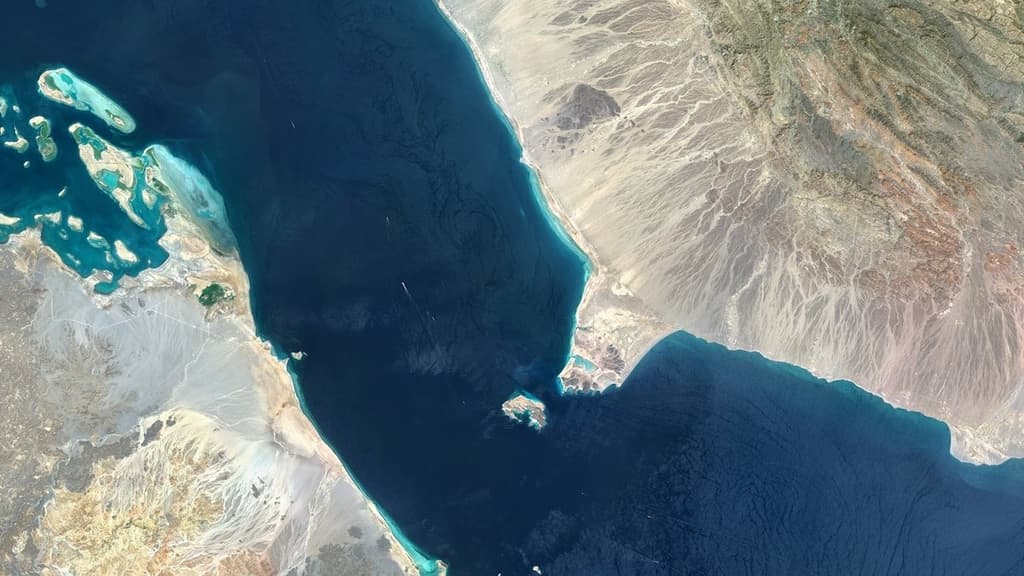
Houthi forces completed a rapid advance along Yemen’s Red Sea coast in early September 2026, seizing the port of Mocha, Perim Island, and surrounding positions that place the Bab el-Mandeb Strait under their direct control. This followed their July declaration of a maritime ban targeting Saudi-linked vessels amid renewed fighting with Saudi-backed Yemeni government forces. Shipping data show transits through the strait have fallen sharply—roughly halved in recent days and down 15-40 percent since the blockade announcement—with selective enforcement, insurance withdrawals, and rerouting around the Cape of Good Hope for many operators. Houthis maintain that navigation remains open and orderly for non-targeted vessels, while Saudi Arabia, Egypt, and others have called for unrestricted passage. Ongoing clashes, Houthi missile and drone activity, and the broader regional conflict continue to shape trader assessments of whether traffic volumes constitute an effective closure.
基于Polymarket数据的AI实验性摘要。这不是交易建议,也不影响该市场的结算方式。 · 更新于Qatar warns closure of Bab el-Mandeb Strait would be catastrophic
September 15 dips to 0%1%
Qatar's Ministry of Foreign Affairs emphasized the catastrophic global consequences of closing the Bab el-Mandeb Strait and called for international efforts to maintain freedom of navigation. This statement underscored the high stakes and global attention on the strait's status, influencing the September 15 and December 31 outcomes.
Bab el-Mandeb Strait transit calls drop to near zero, signaling effective closure
September 15 drops to 0%14%
IMF PortWatch data showed the 7-day moving average of transit calls through the Bab el-Mandeb Strait dropped to zero on September 15, 2026, indicating an effective closure of the strait. This data point resolved the market in favor of closure by the September 15 outcome.

警惕外部链接哦。
警惕外部链接哦。
常见问题