
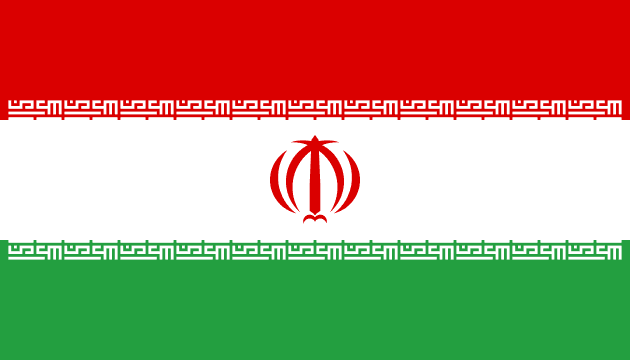
The 93.5% implied probability for “No” on the Iranian regime falling before 2027 reflects its demonstrated institutional resilience following Supreme Leader Ali Khamenei’s death and rapid succession by Mojtaba Khamenei earlier in 2026. The system withstood coordinated U.S. and Israeli strikes, leadership losses, and subsequent protests without major security force defections or loss of central control, instead consolidating around nationalist networks and IRGC structures. Persistent economic strain—including inflation near 90%, currency depreciation, and sanctions tightening—has fueled unrest and diplomatic efforts such as recent Oman talks, yet these have not produced unified opposition leadership or elite fragmentation sufficient for collapse. Traders appear to weigh the regime’s crisis-management experience and redundant command systems against these pressures, viewing survival through the 15-month window as the dominant scenario absent sudden, verifiable triggers like widespread military defections.
Resumen experimental generado por IA con datos de Polymarket. Esto no es asesoramiento de trading y no influye en cómo se resuelve este mercado. · Actualizado¿Caerá el régimen iraní antes de 2027?
¿Caerá el régimen iraní antes de 2027?
Sí
$26,036,736 Vol.
$26,036,736 Vol.
Sí
$26,036,736 Vol.
$26,036,736 Vol.
This requires a broad consensus of reporting indicating that core structures of the Islamic Republic (e.g. the office of the Supreme Leader, the Guardian Council, IRGC control under clerical authority) have been dissolved, incapacitated, or replaced by a fundamentally different governing system or otherwise lost de facto power over a majority of the population of Iran. This could occur via revolution, civil war, military coup, or voluntary abdication, but only qualifies if the Islamic Republic no longer exercises sovereign power.
Routine political events such as elections, reforms, or leadership succession do not qualify. Internal coups or power shifts that preserve the Islamic Republic’s core structures also do not qualify. Only a clear break in continuity—such as a new provisional government, revolutionary council, or constitution replacing the Islamic Republic will qualify.
Partial loss of territory or challenges from rebel or exile groups will not qualify unless the Islamic Republic no longer administers the majority of the Iranian population within Iran.
The resolution source will be a consensus of credible reporting.
Mercado abierto: Nov 3, 2025, 6:51 PM ET
Resolver
0x65070BE91...This requires a broad consensus of reporting indicating that core structures of the Islamic Republic (e.g. the office of the Supreme Leader, the Guardian Council, IRGC control under clerical authority) have been dissolved, incapacitated, or replaced by a fundamentally different governing system or otherwise lost de facto power over a majority of the population of Iran. This could occur via revolution, civil war, military coup, or voluntary abdication, but only qualifies if the Islamic Republic no longer exercises sovereign power.
Routine political events such as elections, reforms, or leadership succession do not qualify. Internal coups or power shifts that preserve the Islamic Republic’s core structures also do not qualify. Only a clear break in continuity—such as a new provisional government, revolutionary council, or constitution replacing the Islamic Republic will qualify.
Partial loss of territory or challenges from rebel or exile groups will not qualify unless the Islamic Republic no longer administers the majority of the Iranian population within Iran.
The resolution source will be a consensus of credible reporting.
Resolver
0x65070BE91...The 93.5% implied probability for “No” on the Iranian regime falling before 2027 reflects its demonstrated institutional resilience following Supreme Leader Ali Khamenei’s death and rapid succession by Mojtaba Khamenei earlier in 2026. The system withstood coordinated U.S. and Israeli strikes, leadership losses, and subsequent protests without major security force defections or loss of central control, instead consolidating around nationalist networks and IRGC structures. Persistent economic strain—including inflation near 90%, currency depreciation, and sanctions tightening—has fueled unrest and diplomatic efforts such as recent Oman talks, yet these have not produced unified opposition leadership or elite fragmentation sufficient for collapse. Traders appear to weigh the regime’s crisis-management experience and redundant command systems against these pressures, viewing survival through the 15-month window as the dominant scenario absent sudden, verifiable triggers like widespread military defections.
Resumen experimental generado por IA con datos de Polymarket. Esto no es asesoramiento de trading y no influye en cómo se resuelve este mercado. · Actualizado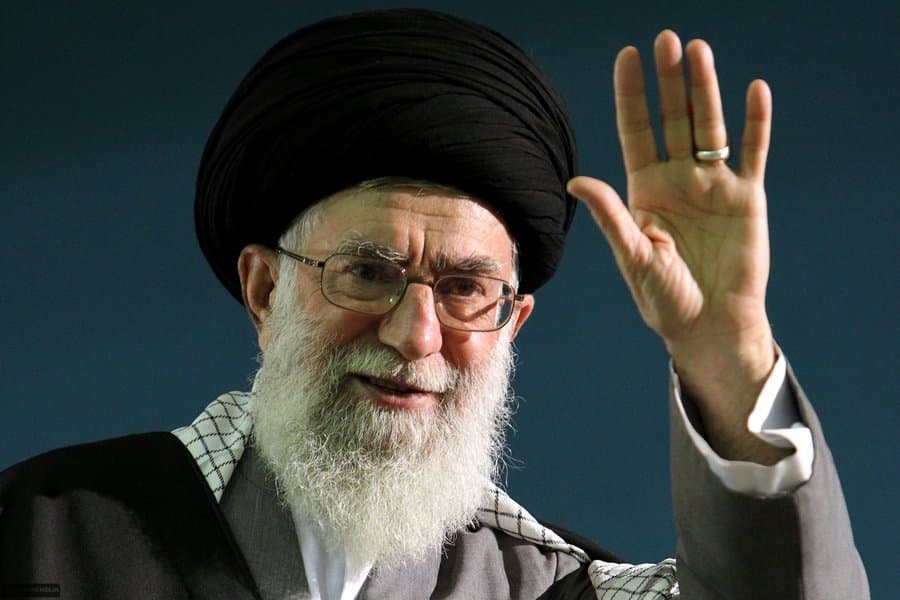

Cuidado con los enlaces externos.
Cuidado con los enlaces externos.
Preguntas frecuentes