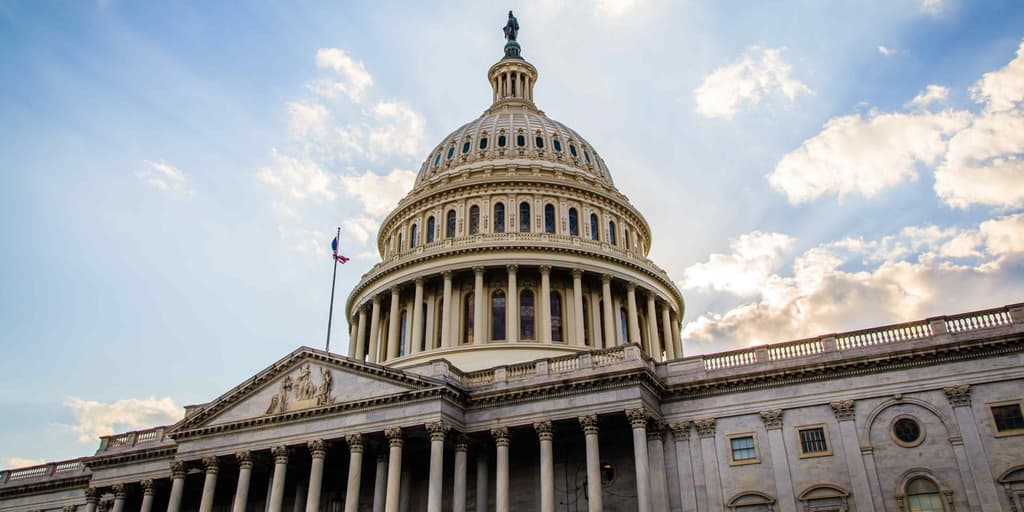
icon for Will the US House pass the Sunshine Protection Act by July 17?

Will the US House pass the Sunshine Protection Act by July 17?

icon for Will the US House pass the Sunshine Protection Act by July 17?

Will the US House pass the Sunshine Protection Act by July 17?

66% peluang
Polymarket
BARU
66% peluang
Polymarket
BARU
This market will resolve to "Yes" if the US House passes the Sunshine Protection Act or other legally binding legislation that would end the twice-annual clock-switching in the United States by July 17, 2026 at 11:59 PM ET. Otherwise, this market will resolve to "No". A qualifying bill does not need to pass as a standalone bill or be titled exactly as above, but it must contain legally operative provisions that, if enacted, would end the twice-annual clock-switching in the United States. Non-binding resolutions, including simple or concurrent resolutions that merely express the sense of the House, recommend that states change their timekeeping policies, or otherwise call for an end to clock-switching without legally implementing such a change, will not qualify. The resolution source will be official U.S. federal government publications (e.g., https://www.congress.gov) however a consensus of credible reporting may also be used.The House Energy and Commerce Committee advanced the Sunshine Protection Act (H.R. 139) in May 2026 with a 48-1 vote as part of the Motor Vehicle Modernization Act, and floor consideration is scheduled for the week of July 13. Trader consensus favoring non-passage by July 17 reflects the bill’s repeated failure to clear the full House despite prior Senate action, including the 2022 unanimous Senate passage that stalled amid objections. Key barriers include opposition from figures such as Sen. Tom Cotton over winter sunrise timing and school safety, limited floor time in a compressed legislative calendar, and the measure’s attachment to unrelated legislation that could invite amendments or procedural delays. The version under consideration would permit state opt-outs, yet these factors sustain skepticism about timely House approval before the deadline.

This market will resolve to "Yes" if the US House passes the Sunshine Protection Act or other legally binding legislation that would end the twice-annual clock-switching in the United States by July 17, 2026 at 11:59 PM ET. Otherwise, this market will resolve to "No".

A qualifying bill does not need to pass as a standalone bill or be titled exactly as above, but it must contain legally operative provisions that, if enacted, would end the twice-annual clock-switching in the United States.

Non-binding resolutions, including simple or concurrent resolutions that merely express the sense of the House, recommend that states change their timekeeping policies, or otherwise call for an end to clock-switching without legally implementing such a change, will not qualify.

The resolution source will be official U.S. federal government publications (e.g., https://www.congress.gov) however a consensus of credible reporting may also be used.
Volume
$574
Tanggal Berakhir
Jul 17, 2026
Pasar Dibuka
Jul 11, 2026, 11:34 AM ET
This market will resolve to "Yes" if the US House passes the Sunshine Protection Act or other legally binding legislation that would end the twice-annual clock-switching in the United States by July 17, 2026 at 11:59 PM ET. Otherwise, this market will resolve to "No". A qualifying bill does not need to pass as a standalone bill or be titled exactly as above, but it must contain legally operative provisions that, if enacted, would end the twice-annual clock-switching in the United States. Non-binding resolutions, including simple or concurrent resolutions that merely express the sense of the House, recommend that states change their timekeeping policies, or otherwise call for an end to clock-switching without legally implementing such a change, will not qualify. The resolution source will be official U.S. federal government publications (e.g., https://www.congress.gov) however a consensus of credible reporting may also be used.
This market will resolve to "Yes" if the US House passes the Sunshine Protection Act or other legally binding legislation that would end the twice-annual clock-switching in the United States by July 17, 2026 at 11:59 PM ET. Otherwise, this market will resolve to "No". A qualifying bill does not need to pass as a standalone bill or be titled exactly as above, but it must contain legally operative provisions that, if enacted, would end the twice-annual clock-switching in the United States. Non-binding resolutions, including simple or concurrent resolutions that merely express the sense of the House, recommend that states change their timekeeping policies, or otherwise call for an end to clock-switching without legally implementing such a change, will not qualify. The resolution source will be official U.S. federal government publications (e.g., https://www.congress.gov) however a consensus of credible reporting may also be used.The House Energy and Commerce Committee advanced the Sunshine Protection Act (H.R. 139) in May 2026 with a 48-1 vote as part of the Motor Vehicle Modernization Act, and floor consideration is scheduled for the week of July 13. Trader consensus favoring non-passage by July 17 reflects the bill’s repeated failure to clear the full House despite prior Senate action, including the 2022 unanimous Senate passage that stalled amid objections. Key barriers include opposition from figures such as Sen. Tom Cotton over winter sunrise timing and school safety, limited floor time in a compressed legislative calendar, and the measure’s attachment to unrelated legislation that could invite amendments or procedural delays. The version under consideration would permit state opt-outs, yet these factors sustain skepticism about timely House approval before the deadline.

This market will resolve to "Yes" if the US House passes the Sunshine Protection Act or other legally binding legislation that would end the twice-annual clock-switching in the United States by July 17, 2026 at 11:59 PM ET. Otherwise, this market will resolve to "No".

A qualifying bill does not need to pass as a standalone bill or be titled exactly as above, but it must contain legally operative provisions that, if enacted, would end the twice-annual clock-switching in the United States.

Non-binding resolutions, including simple or concurrent resolutions that merely express the sense of the House, recommend that states change their timekeeping policies, or otherwise call for an end to clock-switching without legally implementing such a change, will not qualify.

The resolution source will be official U.S. federal government publications (e.g., https://www.congress.gov) however a consensus of credible reporting may also be used.
Volume
$574
Tanggal Berakhir
Jul 17, 2026
Pasar Dibuka
Jul 11, 2026, 11:34 AM ET
This market will resolve to "Yes" if the US House passes the Sunshine Protection Act or other legally binding legislation that would end the twice-annual clock-switching in the United States by July 17, 2026 at 11:59 PM ET. Otherwise, this market will resolve to "No". A qualifying bill does not need to pass as a standalone bill or be titled exactly as above, but it must contain legally operative provisions that, if enacted, would end the twice-annual clock-switching in the United States. Non-binding resolutions, including simple or concurrent resolutions that merely express the sense of the House, recommend that states change their timekeeping policies, or otherwise call for an end to clock-switching without legally implementing such a change, will not qualify. The resolution source will be official U.S. federal government publications (e.g., https://www.congress.gov) however a consensus of credible reporting may also be used.

Hati-hati dengan link eksternal.

Pertanyaan yang Sering Diajukan

"Will the US House pass the Sunshine Protection Act by July 17?" adalah pasar prediksi di Polymarket di mana trader membeli dan menjual saham "Ya" atau "Tidak" berdasarkan apakah mereka yakin event ini akan terjadi. Probabilitas crowd-sourced saat ini adalah 66% untuk "Yes." Misalnya, jika "Ya" dihargai 66¢, pasar secara kolektif memberikan peluang 66% bahwa event ini akan terjadi. Peluang ini bergeser terus-menerus saat trader bereaksi terhadap perkembangan dan informasi baru. Saham dengan hasil yang benar bisa ditukarkan seharga $1 setiap saham saat pasar diselesaikan.

"Will the US House pass the Sunshine Protection Act by July 17?" adalah pasar yang baru dibuat di Polymarket, diluncurkan pada Jul 11, 2026. Sebagai pasar awal, ini adalah kesempatanmu untuk menjadi salah satu trader pertama yang menetapkan peluang dan membangun sinyal harga awal pasar. Kamu juga bisa menandai halaman ini untuk melacak volume dan aktivitas trading seiring pasar mendapatkan traksi.

Untuk trading di "Will the US House pass the Sunshine Protection Act by July 17?," cukup pilih apakah kamu yakin jawabannya "Ya" atau "Tidak." Setiap sisi memiliki harga saat ini yang mencerminkan probabilitas tersirat pasar. Masukkan jumlah kamu dan klik "Trade." Jika kamu membeli saham "Ya" dan hasilnya diselesaikan sebagai "Ya," setiap saham membayar $1. Jika diselesaikan sebagai "Tidak," saham "Ya" kamu bernilai $0. Kamu juga bisa menjual sahammu kapan saja sebelum resolusi jika kamu ingin mengamankan keuntungan atau memotong kerugian.

Probabilitas saat ini untuk "Will the US House pass the Sunshine Protection Act by July 17?" adalah 66% untuk "Yes." Ini berarti keramaian Polymarket saat ini percaya ada peluang 66% bahwa event ini akan terjadi. Peluang ini diperbarui secara real-time berdasarkan trade aktual, memberikan sinyal yang terus diperbarui tentang apa yang diharapkan pasar.

Aturan resolusi untuk "Will the US House pass the Sunshine Protection Act by July 17?" mendefinisikan dengan tepat apa yang harus terjadi agar setiap hasil dinyatakan sebagai pemenang — termasuk sumber data resmi yang digunakan untuk menentukan hasilnya. Kamu bisa meninjau kriteria resolusi lengkap di bagian "Aturan" di halaman ini di atas komentar. Kami menyarankan membaca aturan dengan cermat sebelum trading, karena mereka menentukan kondisi tepat, kasus khusus, dan sumber yang mengatur bagaimana pasar ini diselesaikan.