Peluang Pemilu Global

Trading Pemilu Sela AS
US Midterms

Trading Pemilu Sela AS

About Election Odds & Predictions

Election odds on Polymarket show real-time probabilities set by the market. Traders take positions on political and election outcomes around the world using real capital, and the resulting market prices become the odds.

The prediction markets on this page cover elections across the globe. Depending on the election cycle, that can include the U.S. presidential elections and midterm elections, UK general elections, and prime minister contests in parliamentary democracies. It can cover presidential races in Latin America, legislative votes in Europe, state elections in India, and even mayoral, municipal, or regional elections across Asia. In every active elections market, live trading combines the views of many traders into a single probability.

Reading the odds is simple. A candidate trading at 62 cents has roughly a 62% chance of winning. Prices update continuously as traders react to breaking news, new polls, debates, endorsements, coalition talks, and live vote counts.

How election odds are set

Unlike bookmaker-set fixed-odds prices, Polymarket's election odds are market-driven. Each contract is a simple yes/no question tied to an official, verifiable election winner. Examples include which party wins a battleground state like Michigan, Pennsylvania, Wisconsin, Arizona, Georgia, North Carolina, or Nevada. Or whether a Democratic Party figure such as Gavin Newsom or Pete Buttigieg secures a future nomination, or a Republican Party figure such as JD Vance, Ron DeSantis, or Secretary of State Marco Rubio becomes the next GOP standard-bearer. Other markets can cover closely watched races, such as contests in New York where traders price which candidate, party, or ballot outcome will prevail. Traders buy and sell outcome shares priced between 0 and 100 cents. The market price reflects the implied probability at that moment. Prices can move fast when major news breaks, such as a snap election being called, a candidate withdrawing, or a no-confidence vote toppling a sitting prime minister.

This setup is often called the "wisdom of crowds" with skin in the game. Traders with unhedged positions have money on the line, so they’re motivated to be right. Obvious mispricing tends to draw opposing trades, though liquidity, trader composition, and market limits can affect how fast prices correct. That self-correcting dynamic is what gives election markets their informational edge.

How election prediction markets can be more reliable than traditional polls

Traditional polls remain a valuable input, but they have built-in limits. Polls are snapshots, often several days old by the time they’re published. They also rely on sampling, weighting, and assumptions about likely voters and turnout that can introduce error. Recent U.S. presidential election cycles show how polling error can shape expectations in close Electoral College contests. In 2024, public polls again underestimated Donald Trump nationally and across major battleground states. States such as Iowa and New Jersey saw bigger polling misses too, with Trump outperforming final polling averages.

Polymarket's election prediction markets can address several of these weaknesses. First, markets run continuously rather than in periodic snapshots. Prices update as traders react to new polls, endorsements, court rulings, or diplomatic developments. Second, markets can aggregate more than polling data alone. Participants may weigh base rates, partisan lean, ground-level reporting, and historical precedent, such as the long-running Republican presidential lean of West Virginia or the Democratic presidential lean of New York. Third, traders are financially accountable. A trader who is wrong loses money. That incentive structure can reward accuracy and punish wishful thinking, especially in liquid markets.

A global view of election odds

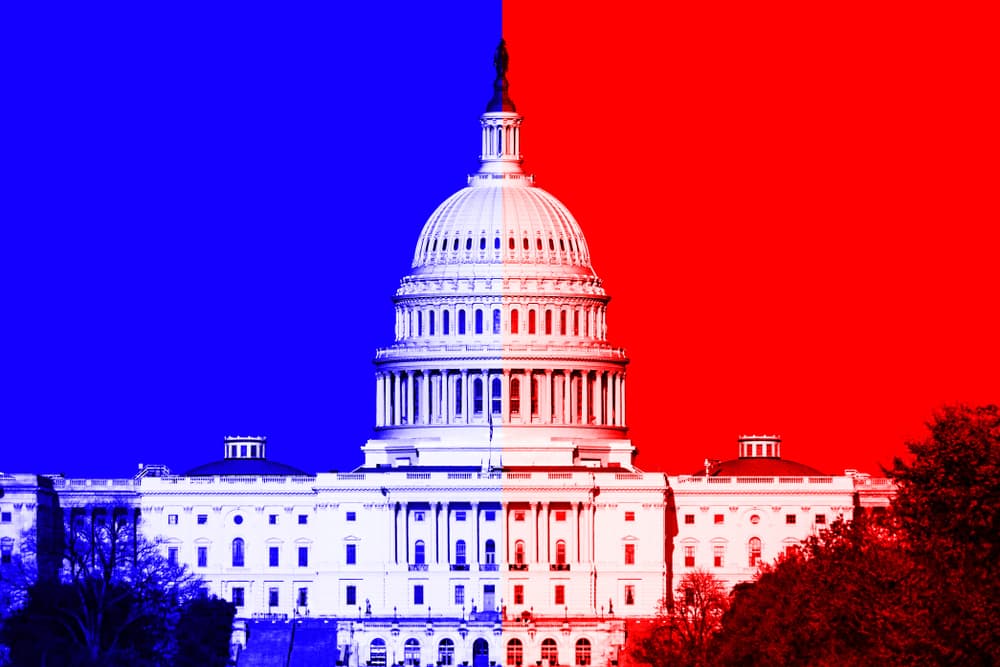
This page brings together election odds from across the world. Coverage spans presidential elections, parliamentary contests, prime ministerial transitions, primaries, runoffs, and coalition outcomes. Markets can cover many electoral systems, from first-past-the-post races like a UK general election to proportional representation contests to multi-round runoffs to the U.S. midterms. In the midterms, every House district, roughly one-third of Senate seats, and most governorships, from swing states to traditional GOP strongholds, can reshape control of government. Whatever the format, the underlying logic is similar: prices reflect market-implied probabilities shaped by real trading activity.

For international observers, this global view is especially useful. It allows side-by-side comparison of how traders are pricing election-related uncertainty across countries. That includes a tight parliamentary majority in one country, the frontrunner in a presidential runoff in another, or the likely election winner in a closely watched regional contest. When election predictions diverge meaningfully from local polling aggregators, that gap itself can be informative.

How to use this page

You don’t need to trade to benefit from election odds. Visitors can use Polymarket as a live data source, watching probabilities shift in response to debates, endorsements, and breaking headlines. Journalists, analysts, and researchers can cite these markets as timestamped, capital-weighted indicators of trader sentiment. Prices, volume, trades, and other market data are all available for review.

Used thoughtfully, Polymarket's election predictions can offer a fast, transparent, market-driven view of how traders are pricing political and election outcomes in real time.

Pertanyaan yang Sering Diajukan

Polymarket adalah pasar prediksi terbesar di dunia, di mana kamu bisa tetap terinformasi dan mendapat keuntungan dari pengetahuanmu dengan trading pada hal-hal terkait berita terkini, politik, olahraga, pemilu, crypto, keuangan, teknologi, budaya, termasuk topik seperti global elections.

Polymarket saat ini memiliki 54 market aktif untuk global elections yang memungkinkan kamu melacak atau trading prediksi seperti "Pemenang Pemilu Parlemen Lebanon". Baik kamu melacak event yang banyak diperdebatkan maupun hasil yang lebih niche, platform ini mengumpulkan peluang real-time berdasarkan lebih dari $264.4M volume trading, memberikan gambaran menyeluruh tentang sentimen penggemar dan investor.

Setiap polymarket adalah pertanyaan ya/tidak. Kamu membeli share untuk hasil "ya" atau "tidak". Harga mencerminkan peluang dan probabilitas dari kerumunan. Misalnya, jika ya di harga 30 sen, itu berarti peluang 30%. Market diselesaikan berdasarkan hasil resmi. Untuk event multi-hasil, seperti "Pemilihan Presiden Brasil," kamu cukup trading pada hasil spesifik yang menurutmu akan menang.

Per hari ini, market paling aktif adalah "Pemilihan Presiden Brasil," di mana kerumunan saat ini memberikan peluang 43% untuk Flávio Bolsonaro. Peluang ini diperbarui secara real-time seiring munculnya informasi baru dan pengguna trading, menawarkan gambaran dinamis tentang apa yang pasar yakini akan terjadi dibandingkan peluang bandar tradisional.

Ini memotong kebisingan informasi. Berbeda dengan jajak pendapat atau pundit, Polymarket menunjukkan peluang real-time pada prediksi global elections yang didukung oleh keyakinan finansial yang seringkali lebih cepat dan lebih akurat daripada pakar atau survei. Kamu mendapat pandangan yang tidak bias tentang apa yang ribuan trader pikir akan benar-benar terjadi, seringkali lebih akurat daripada jajak pendapat. Ditambah lagi, kamu bisa trading share dan berpotensi untung jika prediksimu tepat.