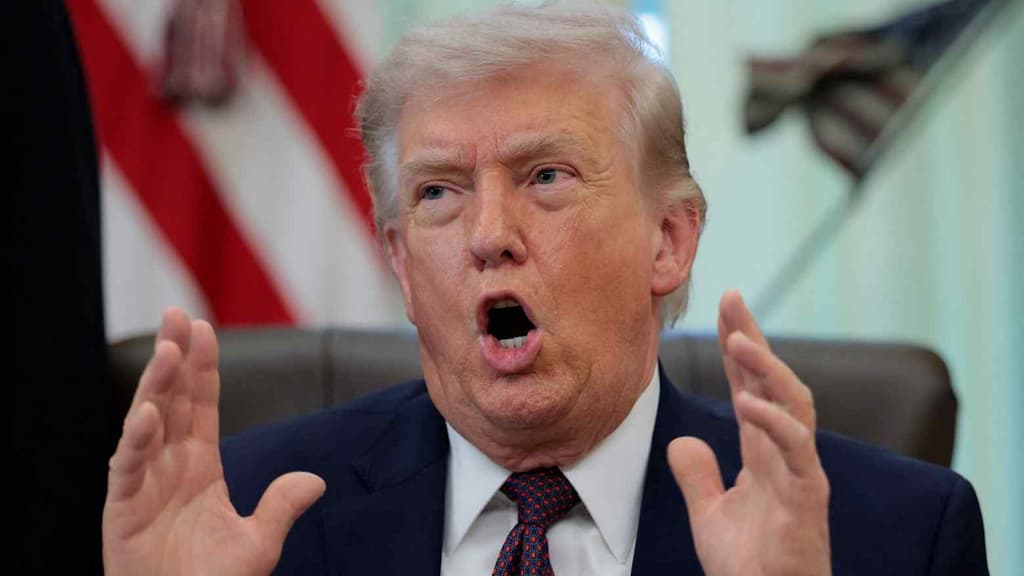
Negotiations between the Trump administration and Iran center on a potential 60-day memorandum extending the ceasefire, reopening the Strait of Hormuz—which handles roughly one-fifth of global oil and LNG shipments—and advancing talks on Tehran’s nuclear program. Iran’s core demands include release of approximately $24 billion in frozen assets, broad sanctions relief, and security guarantees, while U.S. positions emphasize curbs on uranium enrichment, delivery of enriched material, and limits on missile programs. Recent developments show Trump directing tougher terms and instructing negotiators not to rush, with back-and-forth continuing into early June 2026. These developments directly influence energy price volatility, tanker rates, and broader commodity markets as traders assess the probability of near-term de-escalation versus renewed tensions ahead of the June 30 deadline.
Eksperymentalne podsumowanie AI odwołujące się do danych Polymarket. To nie jest porada handlowa i nie ma wpływu na rozstrzyganie tego rynku. · ZaktualizowanoWhat Iranian demands will Trump agree to by June 30?
What Iranian demands will Trump agree to by June 30?
$995,416 Wol.

Enrichment of Uranium
4%

Oil Sanction Relief
27%

Transit Fees in the Strait of Hormuz
4%

Unfreeze Iranian Assets
25%
Troop Withdrawal
11%
$995,416 Wol.
Enrichment of Uranium
4%
Oil Sanction Relief
27%
Transit Fees in the Strait of Hormuz
4%
Unfreeze Iranian Assets
25%
Troop Withdrawal
11%
Sanctions restricting Iranian oil exports refers to U.S. restrictions that prohibit or limit the production, sale, transport, purchase, or export of crude oil, petroleum, or petrochemical products from Iran, including associated shipping, insurance, and financial transactions necessary for such exports. This includes both primary sanctions, which apply to U.S. persons, and secondary sanctions, which apply to non-U.S. persons or entities engaging in such activities.
The United States will be considered to have agreed to remove, suspend, waive, or reduce such sanctions if:
- Donald Trump or another authorized representative of the Government of the United States publicly announces that the United States has definitively agreed to remove, suspend, waive, or otherwise reduce any sanctions restricting Iranian oil
- The removal, suspension, waiver, or reduction of any such sanctions is included as part of a treaty or deal formally established between the United States and Iran, including through signing or other formal means.
Agreement refers to an explicit acceptance, authorization, or consent to the specified action. Only announcements of definitive agreement will qualify. Suggestions, negotiations, expressions of openness, or other non-definitive statements will not qualify.
Any definitive agreement or commitment made before the resolution date will qualify, regardless of when or whether the specified action is implemented.
The primary resolution source for this market will be official statements from Donald Trump, the U.S. government, and their official representatives; however, a consensus of credible reporting may also be used to verify the details of an announcement or formal agreement.
Rynek otwarty: May 21, 2026, 5:03 PM ET
Resolver
0x65070BE91...Sanctions restricting Iranian oil exports refers to U.S. restrictions that prohibit or limit the production, sale, transport, purchase, or export of crude oil, petroleum, or petrochemical products from Iran, including associated shipping, insurance, and financial transactions necessary for such exports. This includes both primary sanctions, which apply to U.S. persons, and secondary sanctions, which apply to non-U.S. persons or entities engaging in such activities.
The United States will be considered to have agreed to remove, suspend, waive, or reduce such sanctions if:
- Donald Trump or another authorized representative of the Government of the United States publicly announces that the United States has definitively agreed to remove, suspend, waive, or otherwise reduce any sanctions restricting Iranian oil
- The removal, suspension, waiver, or reduction of any such sanctions is included as part of a treaty or deal formally established between the United States and Iran, including through signing or other formal means.
Agreement refers to an explicit acceptance, authorization, or consent to the specified action. Only announcements of definitive agreement will qualify. Suggestions, negotiations, expressions of openness, or other non-definitive statements will not qualify.
Any definitive agreement or commitment made before the resolution date will qualify, regardless of when or whether the specified action is implemented.
The primary resolution source for this market will be official statements from Donald Trump, the U.S. government, and their official representatives; however, a consensus of credible reporting may also be used to verify the details of an announcement or formal agreement.
Resolver
0x65070BE91...Negotiations between the Trump administration and Iran center on a potential 60-day memorandum extending the ceasefire, reopening the Strait of Hormuz—which handles roughly one-fifth of global oil and LNG shipments—and advancing talks on Tehran’s nuclear program. Iran’s core demands include release of approximately $24 billion in frozen assets, broad sanctions relief, and security guarantees, while U.S. positions emphasize curbs on uranium enrichment, delivery of enriched material, and limits on missile programs. Recent developments show Trump directing tougher terms and instructing negotiators not to rush, with back-and-forth continuing into early June 2026. These developments directly influence energy price volatility, tanker rates, and broader commodity markets as traders assess the probability of near-term de-escalation versus renewed tensions ahead of the June 30 deadline.
Eksperymentalne podsumowanie AI odwołujące się do danych Polymarket. To nie jest porada handlowa i nie ma wpływu na rozstrzyganie tego rynku. · Zaktualizowano
Uważaj na linki zewnętrzne.
Uważaj na linki zewnętrzne.
Często zadawane pytania