
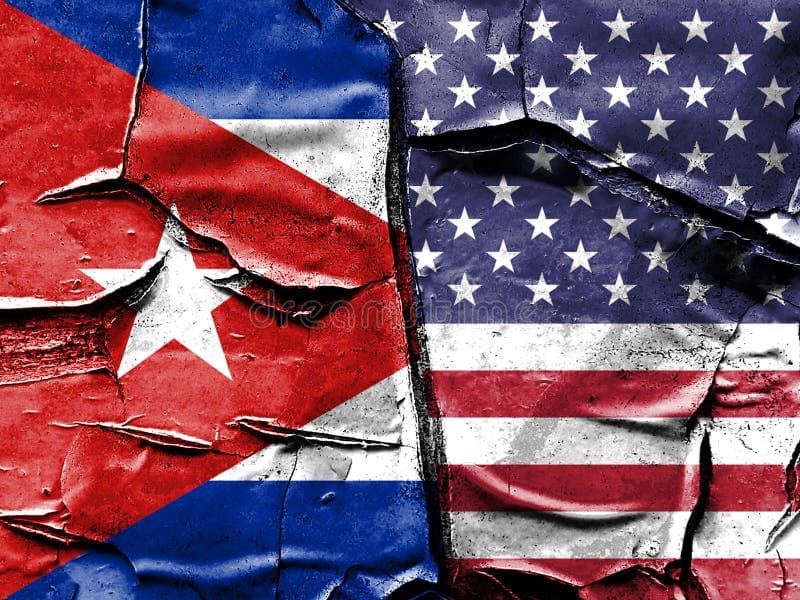
US sanctions and a fuel blockade imposed since January 2026, following the cutoff of Venezuelan oil supplies, have intensified Cuba’s economic crisis, triggering blackouts, shortages, and localized protests. The Communist Party under Miguel Díaz-Canel has sustained de facto control through expanded repression, a June package of economic reforms to attract investment, prisoner releases as diplomatic signals, and cohesion within security institutions. High-level bilateral negotiations continue, with the Trump administration pursuing insider arrangements for policy shifts rather than outright institutional overthrow. These factors, combined with the regime’s historical endurance under external pressure, underpin trader consensus reflected in the 88.5% “No” probability that the Communist Party will lose governing authority by December 31, 2026.
สรุปจาก AI ทดลองที่อ้างอิงข้อมูลจาก Polymarket ไม่ใช่คำแนะนำในการเทรดและไม่มีผลต่อการตัดสินตลาดนี้ · อัปเดตแล้วCuban regime falls in 2026?
Cuban regime falls in 2026?
$1,615,246 ปริมาณ
$1,615,246 ปริมาณ
$1,615,246 ปริมาณ
$1,615,246 ปริมาณ
A “Yes” resolution requires a clear and widely reported break from the PCC’s historical control over the government of Cuba. This may include events such as the overthrow or dissolution of the PCC and its replacement by a new government or transitional authority, the constitutional removal of the PCC’s status as the sole ruling party followed by a transfer of governing power to a different political entity, or the holding of multi-party national elections that result in a government not controlled by the PCC. A “Yes” resolution does not require the formal dissolution of the PCC, provided the PCC no longer exercises de facto governing control over Cuba.
Leadership changes within the PCC, including replacement of the First Secretary, or governmental reforms that preserve the PCC’s de facto governing control over Cuba, will not suffice. Partial loss of territory, civil unrest, or challenges by rebel or exile groups will not qualify unless the PCC no longer administers the majority of the Cuban population within Cuba.
The primary resolution source will be a consensus of credible reporting.
ตลาดเปิดเมื่อ: Mar 10, 2026, 7:56 PM ET
Resolver
0x65070BE91...A “Yes” resolution requires a clear and widely reported break from the PCC’s historical control over the government of Cuba. This may include events such as the overthrow or dissolution of the PCC and its replacement by a new government or transitional authority, the constitutional removal of the PCC’s status as the sole ruling party followed by a transfer of governing power to a different political entity, or the holding of multi-party national elections that result in a government not controlled by the PCC. A “Yes” resolution does not require the formal dissolution of the PCC, provided the PCC no longer exercises de facto governing control over Cuba.
Leadership changes within the PCC, including replacement of the First Secretary, or governmental reforms that preserve the PCC’s de facto governing control over Cuba, will not suffice. Partial loss of territory, civil unrest, or challenges by rebel or exile groups will not qualify unless the PCC no longer administers the majority of the Cuban population within Cuba.
The primary resolution source will be a consensus of credible reporting.
Resolver
0x65070BE91...US sanctions and a fuel blockade imposed since January 2026, following the cutoff of Venezuelan oil supplies, have intensified Cuba’s economic crisis, triggering blackouts, shortages, and localized protests. The Communist Party under Miguel Díaz-Canel has sustained de facto control through expanded repression, a June package of economic reforms to attract investment, prisoner releases as diplomatic signals, and cohesion within security institutions. High-level bilateral negotiations continue, with the Trump administration pursuing insider arrangements for policy shifts rather than outright institutional overthrow. These factors, combined with the regime’s historical endurance under external pressure, underpin trader consensus reflected in the 88.5% “No” probability that the Communist Party will lose governing authority by December 31, 2026.
สรุปจาก AI ทดลองที่อ้างอิงข้อมูลจาก Polymarket ไม่ใช่คำแนะนำในการเทรดและไม่มีผลต่อการตัดสินตลาดนี้ · อัปเดตแล้ว
ระวังลิงก์ภายนอก
ระวังลิงก์ภายนอก
คำถามที่พบบ่อย