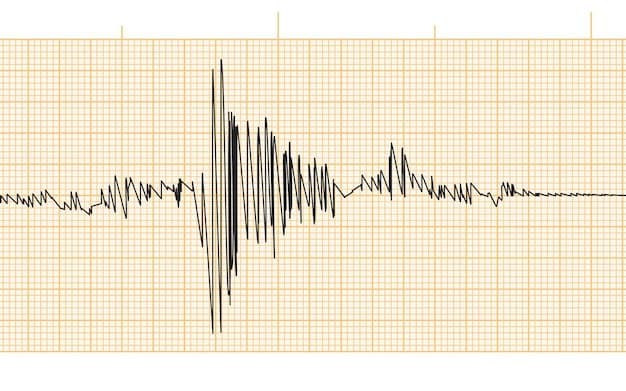
Global earthquake occurrence follows a roughly Poisson distribution around long-term USGS averages of one to two magnitude 6.5+ events per week, driven by steady tectonic strain release along subduction zones, transform faults, and mid-ocean ridges. Recent June 2026 activity—including 6.5–7.5 events in the Philippines, Japan, Venezuela, and the Mid-Atlantic Ridge—reflects normal background rates without evident clustering or elevated strain signals that would shift the near-term outlook. With no reliable short-term precursors and model consensus showing only typical variability, trader odds cluster tightly around one to a few events for June 29–July 5, underscoring the challenge of distinguishing zero-, low-, or higher-count weeks until real-time USGS catalog updates arrive.
Eksperymentalne podsumowanie AI odwołujące się do danych Polymarket. To nie jest porada handlowa i nie ma wpływu na rozstrzyganie tego rynku. · ZaktualizowanoHow many 6.5 or above earthquakes June 29 - July 5?
How many 6.5 or above earthquakes June 29 - July 5?
0 48%
1 24%
>5 23%
2 15%
0
48%
1
24%
2
15%
3
8%
4
8%
5
8%
>5
23%
0 48%
1 24%
>5 23%
2 15%
0
48%
1
24%
2
15%
3
8%
4
8%
5
8%
>5
23%
The resolution source for this market is the United States Geological Survey (USGS) Earthquake Hazards Program (https://earthquake.usgs.gov/earthquakes/browse/significant.php#sigdef).
If an earthquake of substantial size has occurred within this market's timeframe but not yet appeared on the resolution source, this market may remain open until July 7, 2026, 11:59 PM ET, or until the earthquake in question otherwise appears on the resolution source. If such an earthquake has not appeared on the resolution source by that date, another credible resolution source will be used.
This market may not resolve until the timeframe of this market has concluded. If a qualifying earthquake has been recorded on the final day, this market may remain open for 24 hours to allow for revisions to the recorded magnitude. After 24 hours, this market will resolve according to the latest provided data.
Rynek otwarty: Jun 26, 2026, 11:17 AM ET
Resolver
0x69c47De9D...The resolution source for this market is the United States Geological Survey (USGS) Earthquake Hazards Program (https://earthquake.usgs.gov/earthquakes/browse/significant.php#sigdef).
If an earthquake of substantial size has occurred within this market's timeframe but not yet appeared on the resolution source, this market may remain open until July 7, 2026, 11:59 PM ET, or until the earthquake in question otherwise appears on the resolution source. If such an earthquake has not appeared on the resolution source by that date, another credible resolution source will be used.
This market may not resolve until the timeframe of this market has concluded. If a qualifying earthquake has been recorded on the final day, this market may remain open for 24 hours to allow for revisions to the recorded magnitude. After 24 hours, this market will resolve according to the latest provided data.
Resolver
0x69c47De9D...Global earthquake occurrence follows a roughly Poisson distribution around long-term USGS averages of one to two magnitude 6.5+ events per week, driven by steady tectonic strain release along subduction zones, transform faults, and mid-ocean ridges. Recent June 2026 activity—including 6.5–7.5 events in the Philippines, Japan, Venezuela, and the Mid-Atlantic Ridge—reflects normal background rates without evident clustering or elevated strain signals that would shift the near-term outlook. With no reliable short-term precursors and model consensus showing only typical variability, trader odds cluster tightly around one to a few events for June 29–July 5, underscoring the challenge of distinguishing zero-, low-, or higher-count weeks until real-time USGS catalog updates arrive.
Eksperymentalne podsumowanie AI odwołujące się do danych Polymarket. To nie jest porada handlowa i nie ma wpływu na rozstrzyganie tego rynku. · Zaktualizowano
Uważaj na linki zewnętrzne.
Uważaj na linki zewnętrzne.
Często zadawane pytania