
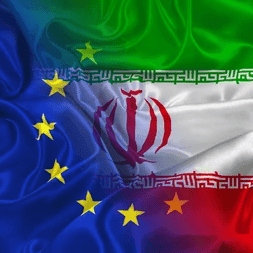
European naval deployments in the Strait of Hormuz have centered on defensive shipping protection and mine-clearing operations rather than offensive strikes on Iranian targets, reflecting consistent EU member positions prioritizing freedom of navigation over direct intervention. Renewed US-Iran tensions in September 2026, including Iranian warnings of retaliation against regional and European assets if Washington resumes strikes, have reinforced this restraint. France, Britain, and partners have positioned assets for potential Hormuz missions conditional on stable cease-fires, while mediation efforts by Qatar and others continue amid stalled talks. Upcoming US decisions on further action and any Iranian responses to perceived European support for Washington remain key variables that could shift trader assessments of escalation risks.
สรุปจาก AI ทดลองที่อ้างอิงข้อมูลจาก Polymarket ไม่ใช่คำแนะนำในการเทรดและไม่มีผลต่อการตัดสินตลาดนี้ · อัปเดตแล้วEuropean military action against Iran by...?
European military action against Iran by...?
$326,274 ปริมาณ
October 31
4%
December 31
8%
$326,274 ปริมาณ
October 31
4%
December 31
8%
A qualifying military action refers to an air strike or a surface-to-surface missile strike, initiated by any European country, that directly impacts Iran. An air strike includes bombs, air-to-surface missiles, and air-launched drones. A surface-to-surface missile strike includes one-way attack drones and surface-to-surface missiles such as cruise or ballistic missiles.
For the purposes of this market, a “European country” is defined as any of the following sovereign states: Albania, Andorra, Austria, Belarus, Belgium, Bosnia and Herzegovina, Bulgaria, Croatia, Cyprus, Czechia, Denmark, Estonia, Finland, France, Georgia, Germany, Greece, Hungary, Iceland, Ireland, Italy, Kosovo, Latvia, Liechtenstein, Lithuania, Luxembourg, Malta, Moldova, Monaco, Montenegro, Netherlands, North Macedonia, Norway, Poland, Portugal, Romania, San Marino, Serbia, Slovakia, Slovenia, Spain, Sweden, Switzerland, Ukraine, United Kingdom, and Vatican City.
The following actions do not constitute a qualifying military action:
Munitions destroyed or intercepted before impact;
Surface-to-air missile strikes;
Small-arms fire;
Ground incursions;
Cyber operations;
Naval gunfire and artillery fire;
Howitzers, artillery pieces, mortars, and rocket artillery (e.g. MLRS systems);
Minor surface-to-surface strikes, including short range loitering munitions, FPV drones, and ATGM strikes;
Any threat, authorization, or announcement of force that has not been executed.
Any munition that is intercepted or destroyed before impact does not constitute a qualifying military action. Debris, fragments, or any wreckage from intercepted munitions that land on Iran do not constitute a military action regardless of any damage incurred.
“Iran” refers to the territory within the internationally recognized borders of Iran. If the precise location of a strike cannot be clearly attributed to the defined territory, it will not qualify.
The occurrence, attribution, and timing of a qualifying military action will be primarily determined based on a consensus of information available from the resolution sources. Where multiple sources conflict regarding the occurrence, attribution, or timing of a relevant military action, this market will remain open until the earlier of: i) the confirmation of the occurrence, attribution, and timing of the action based on a consensus of information available from the resolution sources or ii) 3 full calendar days (CEST) from the date of the first credibly reported evidence of the action. If this period would extend past the end date, this market will remain open to allow for 3 full calendar days to pass. If, at the end of the third calendar day, conflicting reports remain as to the occurrence, attribution, or timing of the action, this market will resolve based on the totality of information available from the resolution sources at that time. No single statement, denial, or presentation of evidence will govern where it is contradicted by the totality of information.
The resolution sources for this market will be official information from the governments and militaries of the relevant European country and Iran and credible reporting.
ตลาดเปิดเมื่อ: Aug 26, 2026, 10:06 AM ET
ผู้ตัดสินผล
0x65070BE91...A qualifying military action refers to an air strike or a surface-to-surface missile strike, initiated by any European country, that directly impacts Iran. An air strike includes bombs, air-to-surface missiles, and air-launched drones. A surface-to-surface missile strike includes one-way attack drones and surface-to-surface missiles such as cruise or ballistic missiles.
For the purposes of this market, a “European country” is defined as any of the following sovereign states: Albania, Andorra, Austria, Belarus, Belgium, Bosnia and Herzegovina, Bulgaria, Croatia, Cyprus, Czechia, Denmark, Estonia, Finland, France, Georgia, Germany, Greece, Hungary, Iceland, Ireland, Italy, Kosovo, Latvia, Liechtenstein, Lithuania, Luxembourg, Malta, Moldova, Monaco, Montenegro, Netherlands, North Macedonia, Norway, Poland, Portugal, Romania, San Marino, Serbia, Slovakia, Slovenia, Spain, Sweden, Switzerland, Ukraine, United Kingdom, and Vatican City.
The following actions do not constitute a qualifying military action:
Munitions destroyed or intercepted before impact;
Surface-to-air missile strikes;
Small-arms fire;
Ground incursions;
Cyber operations;
Naval gunfire and artillery fire;
Howitzers, artillery pieces, mortars, and rocket artillery (e.g. MLRS systems);
Minor surface-to-surface strikes, including short range loitering munitions, FPV drones, and ATGM strikes;
Any threat, authorization, or announcement of force that has not been executed.
Any munition that is intercepted or destroyed before impact does not constitute a qualifying military action. Debris, fragments, or any wreckage from intercepted munitions that land on Iran do not constitute a military action regardless of any damage incurred.
“Iran” refers to the territory within the internationally recognized borders of Iran. If the precise location of a strike cannot be clearly attributed to the defined territory, it will not qualify.
The occurrence, attribution, and timing of a qualifying military action will be primarily determined based on a consensus of information available from the resolution sources. Where multiple sources conflict regarding the occurrence, attribution, or timing of a relevant military action, this market will remain open until the earlier of: i) the confirmation of the occurrence, attribution, and timing of the action based on a consensus of information available from the resolution sources or ii) 3 full calendar days (CEST) from the date of the first credibly reported evidence of the action. If this period would extend past the end date, this market will remain open to allow for 3 full calendar days to pass. If, at the end of the third calendar day, conflicting reports remain as to the occurrence, attribution, or timing of the action, this market will resolve based on the totality of information available from the resolution sources at that time. No single statement, denial, or presentation of evidence will govern where it is contradicted by the totality of information.
The resolution sources for this market will be official information from the governments and militaries of the relevant European country and Iran and credible reporting.
ผู้ตัดสินผล
0x65070BE91...European naval deployments in the Strait of Hormuz have centered on defensive shipping protection and mine-clearing operations rather than offensive strikes on Iranian targets, reflecting consistent EU member positions prioritizing freedom of navigation over direct intervention. Renewed US-Iran tensions in September 2026, including Iranian warnings of retaliation against regional and European assets if Washington resumes strikes, have reinforced this restraint. France, Britain, and partners have positioned assets for potential Hormuz missions conditional on stable cease-fires, while mediation efforts by Qatar and others continue amid stalled talks. Upcoming US decisions on further action and any Iranian responses to perceived European support for Washington remain key variables that could shift trader assessments of escalation risks.
สรุปจาก AI ทดลองที่อ้างอิงข้อมูลจาก Polymarket ไม่ใช่คำแนะนำในการเทรดและไม่มีผลต่อการตัดสินตลาดนี้ · อัปเดตแล้ว


ระวังลิงก์ภายนอก
ระวังลิงก์ภายนอก
คำถามที่พบบ่อย