
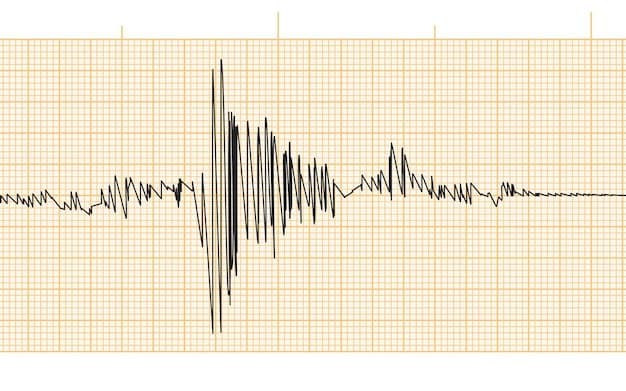
Recent global seismicity remains at moderate levels, with the largest September 2026 events reaching only magnitude 6.5 in Papua New Guinea, Alaska, and Indonesia according to USGS data, and no M7+ quakes recorded since mid-August. Trader sentiment for the strongest worldwide event by September 30 therefore centers on the low near-term probability of a major rupture, given the absence of foreshock sequences, volcanic unrest, or elevated aftershock activity on monitored faults. Worldwide, M7+ earthquakes occur roughly 15–20 times annually, implying a modest chance of one occurring in the final five days, concentrated along the Pacific Ring of Fire where plate boundaries like the subduction zones off Chile and Indonesia experience the highest background rates. USGS real-time catalogs show continued M4.5–5.5 activity but no accelerating trends or official alerts that would shift odds toward stronger outcomes before month-end.
Experimental AI-generated summary referencing Polymarket data. This is not trading advice and plays no role in how this market resolves. · UpdatedView resolved
Beware of external links.
Beware of external links.
Frequently Asked Questions