

**Recent Israeli elections scheduled for October 27, 2026, and the resulting fragmented Knesset seat distribution are the main drivers behind traders assigning a 57.5% probability to “No” on a vote of confidence passing by December 31.** The 25th Knesset dissolved in July after completing its term, placing the current government in caretaker status. Any successor requires Knesset approval of a new coalition via a formal confidence vote once party leaders present their lineup and policy guidelines. Latest polls show the pro-Netanyahu bloc and the main opposition bloc each hovering near 52–54 seats, well below the 61-seat majority threshold, with Arab parties holding the balance of power. This arithmetic has produced consistent deadlock projections, mirroring patterns from prior Israeli elections where coalition talks extended for weeks or months amid disputes over portfolios, Haredi conscription, and potential alliances. The compressed window between late-October results and year-end leaves limited room for the multiple rounds of negotiations, presidential mandates, and possible extensions typically needed to reach a stable majority. Traders therefore view swift formation and a successful confidence vote as the less probable outcome, though late polling shifts, list finalization effects, or unexpected cross-bloc deals remain variables that could alter the timeline.
Ringkasan eksperimental yang dihasilkan AI dengan referensi data Polymarket. Ini bukan saran trading dan tidak berperan dalam bagaimana pasar ini diselesaikan. · DiperbaruiThis market will resolve to "Yes" if the Knesset votes to express confidence in a new government by December 31, 2026, 11:59 PM ET. Otherwise, this market will resolve to "No".
A vote will qualify only if it passes and the new government is constituted.
A vote that is held but fails will not qualify. A motion of no confidence in an existing government will not qualify.
The continuation in office of the outgoing caretaker government will not be considered.
The primary resolution source for this market will be official information from the Knesset; however, a consensus of credible reporting may also be used.
Pasar Dibuka: Aug 20, 2026, 5:28 AM ET
Resolver
0x65070BE91...This market will resolve to "Yes" if the Knesset votes to express confidence in a new government by December 31, 2026, 11:59 PM ET. Otherwise, this market will resolve to "No".
A vote will qualify only if it passes and the new government is constituted.
A vote that is held but fails will not qualify. A motion of no confidence in an existing government will not qualify.
The continuation in office of the outgoing caretaker government will not be considered.
The primary resolution source for this market will be official information from the Knesset; however, a consensus of credible reporting may also be used.
Resolver
0x65070BE91...**Recent Israeli elections scheduled for October 27, 2026, and the resulting fragmented Knesset seat distribution are the main drivers behind traders assigning a 57.5% probability to “No” on a vote of confidence passing by December 31.** The 25th Knesset dissolved in July after completing its term, placing the current government in caretaker status. Any successor requires Knesset approval of a new coalition via a formal confidence vote once party leaders present their lineup and policy guidelines. Latest polls show the pro-Netanyahu bloc and the main opposition bloc each hovering near 52–54 seats, well below the 61-seat majority threshold, with Arab parties holding the balance of power. This arithmetic has produced consistent deadlock projections, mirroring patterns from prior Israeli elections where coalition talks extended for weeks or months amid disputes over portfolios, Haredi conscription, and potential alliances. The compressed window between late-October results and year-end leaves limited room for the multiple rounds of negotiations, presidential mandates, and possible extensions typically needed to reach a stable majority. Traders therefore view swift formation and a successful confidence vote as the less probable outcome, though late polling shifts, list finalization effects, or unexpected cross-bloc deals remain variables that could alter the timeline.
Ringkasan eksperimental yang dihasilkan AI dengan referensi data Polymarket. Ini bukan saran trading dan tidak berperan dalam bagaimana pasar ini diselesaikan. · Diperbarui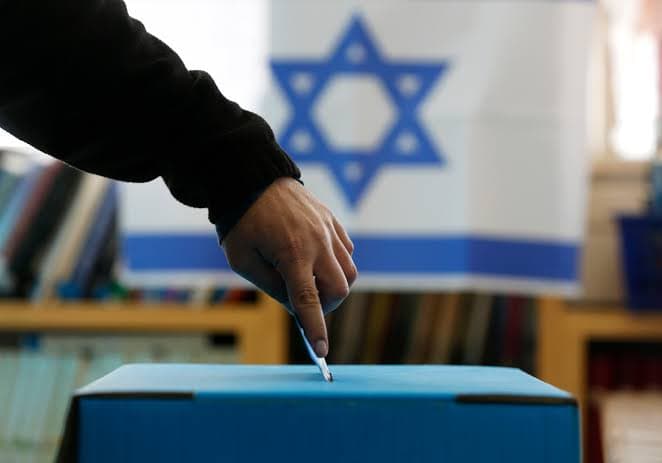

Hati-hati dengan link eksternal.
Hati-hati dengan link eksternal.
Pertanyaan yang Sering Diajukan