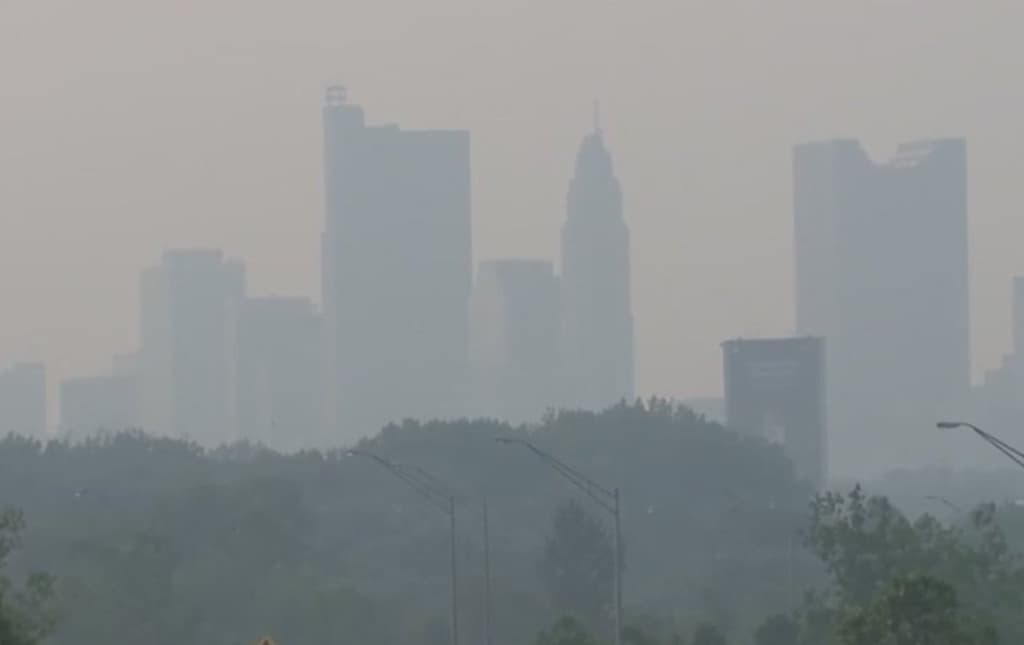
Canadian wildfire smoke transported by northerly winds has driven Columbus AQI into the very unhealthy to hazardous range (200–300+), primarily via elevated PM2.5 concentrations, according to real-time AirNow and Ohio EPA monitoring. This follows a statewide advisory effective July 16, 2026, with similar intrusions noted in prior seasons when stagnant high-pressure patterns limit dispersion. Ground-level ozone formation may add to levels under hot, sunny conditions, though particle pollution dominates the current spike. Traders are tracking National Weather Service wind shifts and potential precipitation that could clear smoke by late week, alongside MORPC daily forecasts and AirNow updates that often resolve markets tied to 100 AQI thresholds. Historical analogs show rapid AQI drops once smoke plumes shift.
基於Polymarket數據的AI實驗性摘要。這不是交易建議,也不影響該市場的結算方式。 · 更新於哥倫布空氣質量指數低於100... ?
哥倫布空氣質量指數低於100... ?
7月18日
50%
7月19日
50%
7月20日
50%
7月21日
50%
$0.00 交易量
7月18日
50%
7月19日
50%
7月20日
50%
7月21日
50%
This market's resolution source will be https://www.airnow.gov/state/?name=ohio. To get to the figures used to resolve this market, select the "Historical Air Quality" tab, then find the finalized figure in the "Columbus" row under the "Daily AQI for PM2.5" column.
This market may remain open for two days after the specified date to confirm the daily AQI figures for the specified timeframe. If the figures remain unavailable, another credible resolution source will be chosen.
市場開放時間: Jul 17, 2026, 12:36 PM ET
This market's resolution source will be https://www.airnow.gov/state/?name=ohio. To get to the figures used to resolve this market, select the "Historical Air Quality" tab, then find the finalized figure in the "Columbus" row under the "Daily AQI for PM2.5" column.
This market may remain open for two days after the specified date to confirm the daily AQI figures for the specified timeframe. If the figures remain unavailable, another credible resolution source will be chosen.
Canadian wildfire smoke transported by northerly winds has driven Columbus AQI into the very unhealthy to hazardous range (200–300+), primarily via elevated PM2.5 concentrations, according to real-time AirNow and Ohio EPA monitoring. This follows a statewide advisory effective July 16, 2026, with similar intrusions noted in prior seasons when stagnant high-pressure patterns limit dispersion. Ground-level ozone formation may add to levels under hot, sunny conditions, though particle pollution dominates the current spike. Traders are tracking National Weather Service wind shifts and potential precipitation that could clear smoke by late week, alongside MORPC daily forecasts and AirNow updates that often resolve markets tied to 100 AQI thresholds. Historical analogs show rapid AQI drops once smoke plumes shift.
基於Polymarket數據的AI實驗性摘要。這不是交易建議,也不影響該市場的結算方式。 · 更新於
警惕外部連結哦。
警惕外部連結哦。
Frequently Asked Questions