
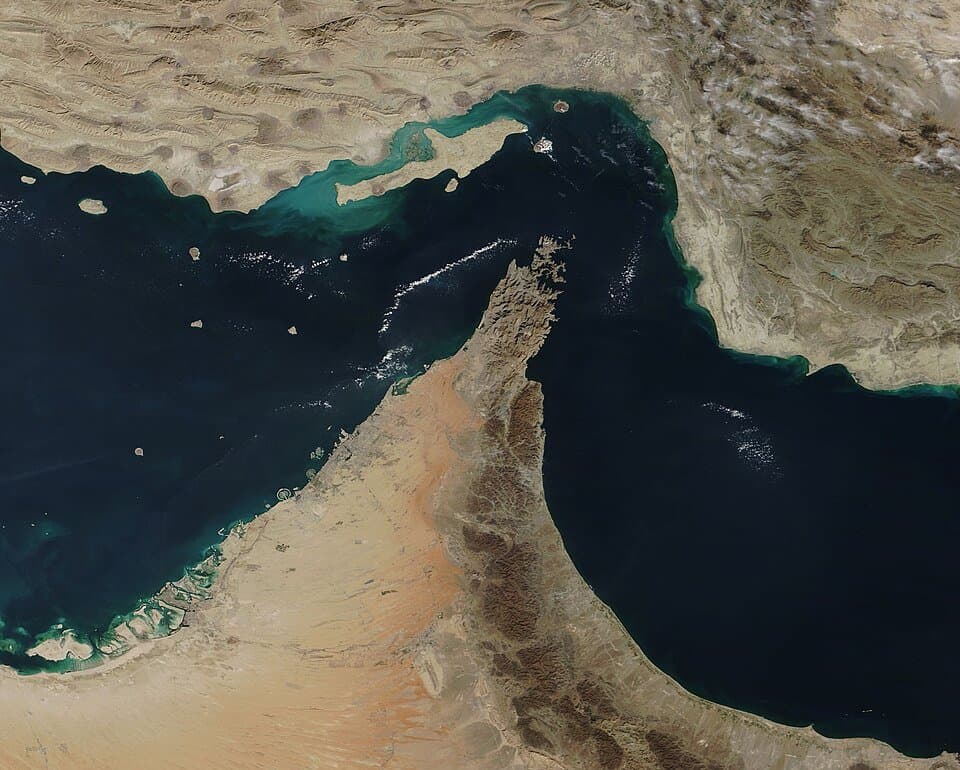
Ongoing U.S.-Iran military exchanges since February 2026, including targeted strikes on military assets at Kharg Island and nearby sites like Larak, have kept these strategic locations—particularly Kharg as Iran’s primary oil export terminal handling roughly 90% of its crude shipments—at the center of energy market volatility. Iranian forces continue to assert operational control over the islands and Strait of Hormuz, enforcing transit restrictions that have curtailed loadings and driven tanker queues while elevating war-risk insurance premiums and contributing to Brent crude fluctuations above $90 per barrel during flare-ups. Recent naval incidents and a temporary U.S.-Iran memorandum have produced only partial export recoveries, with analysts noting persistent supply constraints and drawdowns from stockpiles. Key near-term catalysts include potential follow-on strikes, naval blockade adjustments, or diplomatic milestones that could alter control dynamics or ease Hormuz transit risks for global energy flows.
Experimental AI-generated summary referencing Polymarket data. This is not trading advice and plays no role in how this market resolves. · UpdatedView resolved
Beware of external links.
Beware of external links.
Frequently Asked Questions