
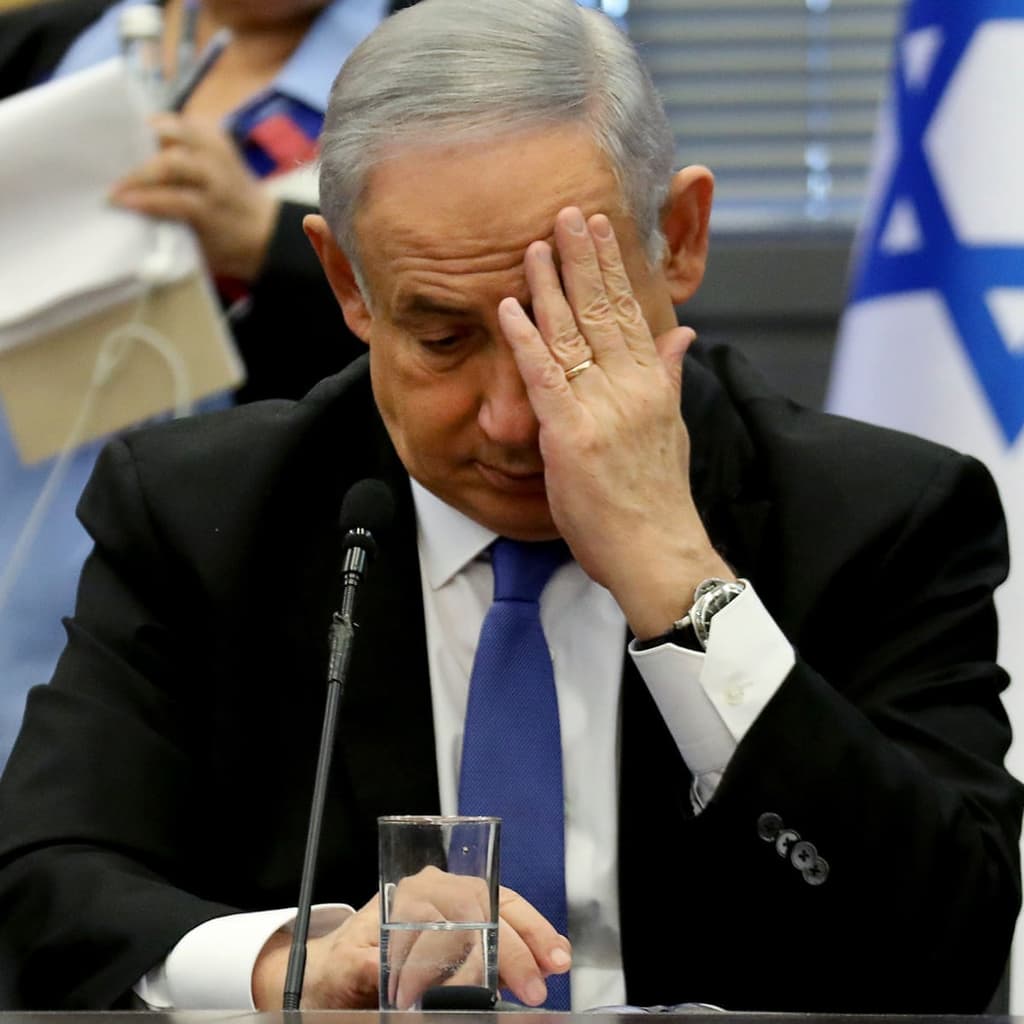
Israel’s October 27, 2026 Knesset election, the first scheduled vote since 1988 after a full four-year term, serves as the central driver for markets on Netanyahu’s tenure. Recent polls show his Likud-led bloc hovering near or below 52 seats while the opposition “change” bloc led by Gadi Eisenkot’s Yashar party and Naftali Bennett’s Together reaches roughly 51–54 seats, leaving both short of the 61-seat majority required to form a government. Coalition negotiations after the vote could extend weeks or months, raising the prospect of Netanyahu serving as interim prime minister in a stalemate or the emergence of an alternative coalition. Netanyahu’s September 24 UN address and ongoing military operations in Gaza, Lebanon, and Iran remain key campaign themes, with voter assessments of security accountability and bloc arithmetic determining whether he retains the premiership or exits following the election.
Experimental AI-generated summary referencing Polymarket data. This is not trading advice and plays no role in how this market resolves. · UpdatedView resolved
Beware of external links.
Beware of external links.
Frequently Asked Questions