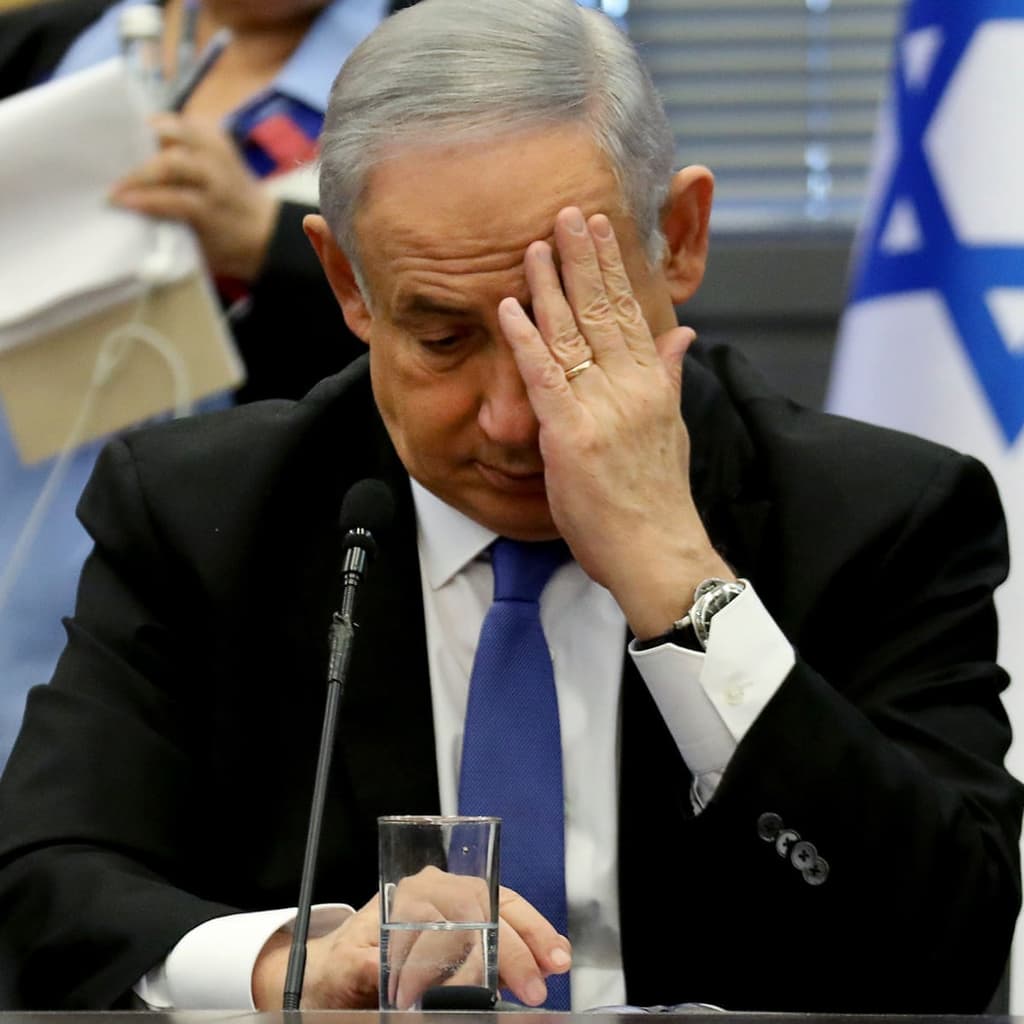
Israel’s October 27, 2026, Knesset election left Benjamin Netanyahu’s right-wing bloc with 53 seats and Gadi Eisenkot’s opposition bloc with 48, short of the 61-seat majority needed to form a government, while Arab-led parties secured a record 19 seats. The new parliament was sworn in on November 10, granting Eisenkot the initial mandate to assemble a coalition within six weeks. Opposition lawmakers immediately moved to replace the speaker, advance an official inquiry into the October 7, 2023 attacks, and introduce term-limit legislation. Netanyahu remains caretaker prime minister during negotiations. If Eisenkot cannot secure backing without violating campaign pledges on Arab parties, the mandate returns to Netanyahu; repeated failure would trigger fresh elections, typically within months. These procedural timelines and coalition arithmetic directly shape trader assessments of departure windows.
Experimental AI-generated summary referencing Polymarket data. This is not trading advice and plays no role in how this market resolves. · UpdatedView resolved
Beware of external links.
Beware of external links.
Frequently Asked Questions