icon for Quale intensità avrà il tifone Dolphin quando approderà in Giappone?

Quale intensità avrà il tifone Dolphin quando approderà in Giappone?

icon for Quale intensità avrà il tifone Dolphin quando approderà in Giappone?

Quale intensità avrà il tifone Dolphin quando approderà in Giappone?

Tifone molto forte 100.0%

Tempesta Tropicale <1%

Forte tempesta tropicale <1%

Tifone <1%

Polymarket

$49,630 Vol.

Tifone molto forte 100.0%

Tempesta Tropicale <1%

Forte tempesta tropicale <1%

Tifone <1%

Polymarket

$49,630 Vol.

Tempesta Tropicale

$2,557 Vol.

No

Forte tempesta tropicale

$4,214 Vol.

No

Tifone

$18,048 Vol.

No

Tifone molto forte

$10,591 Vol.

Tifone violento

$6,817 Vol.

No

Nessun approdo qualificante

$7,404 Vol.

No

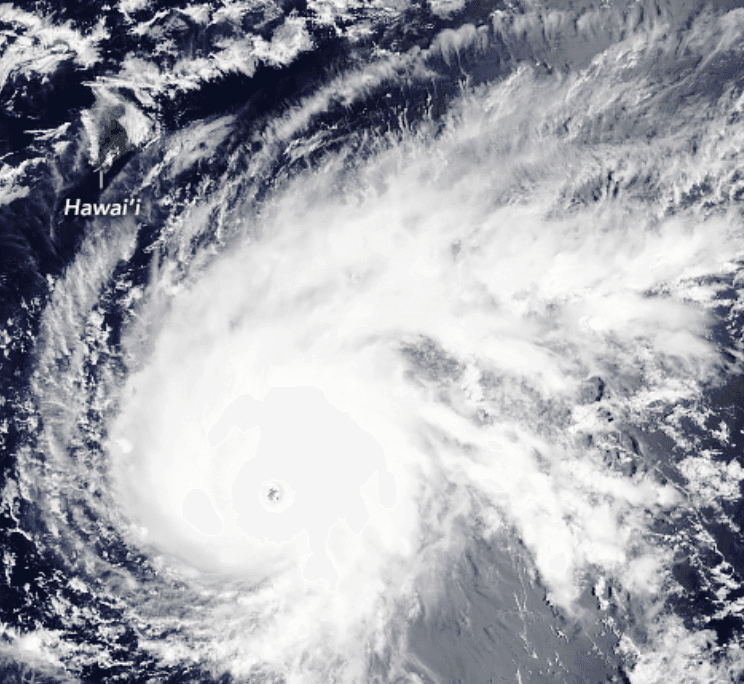
This market resolves to the intensity category corresponding to the maximum sustained wind speed (10-minute average) shown in the applicable JMA advisory as defined below. The outcome categories are: "Tropical Storm" (34–47 kt), "Severe Tropical Storm" (48–63 kt), "Typhoon" (64–84 kt), "Very Strong Typhoon" (85–104 kt), and "Violent Typhoon" (105+ kt). Landfall is defined as the center of Dolphin's circulation physically crossing the coastline of any Japanese territory (including Okinawa, the Ryukyu Islands, and all main islands) on or before August 15, 2026. Resolution is determined by the Japan Meteorological Agency's (JMA) position advisories placing the storm over Japanese land (https://www.jma.go.jp/bosai/map.html#contents=typhoon&lang=en), or by credible international news reporting confirming the storm hitting Japanese territory. The applicable advisory is selected as follows: if a JMA advisory plots the center on Japanese land, that advisory's wind speed resolves the market; if no JMA advisory plots the center on land but credible reporting confirms a crossing occurred between discrete advisory fixes, the intensity is taken from the most recently issued JMA advisory prior to the confirmed crossing time. Once the applicable advisory is identified, its intensity fixes the outcome; no subsequent real-time advisory, reclassification, or post-season best-track reanalysis may retroactively change the outcome. Archival evidence of JMA advisory data is maintained by the Digital Typhoon database (National Institute of Informatics, Japan) at its Typhoon Images and Charts page for Typhoon 202613 (DOLPHIN). In the event of a resolution dispute, the intensity value recorded by Digital Typhoon for the applicable advisory fix shall be treated as conclusive evidence of what JMA reported. JMA position advisories are the primary resolution source. If a JMA advisory plots the center on Japanese land, the market resolves based on that advisory's wind speed regardless of what other sources say. If no JMA advisory plots the center on land but credible reporting confirms a crossing occurred between discrete advisory fixes, the market still resolves, with intensity taken from the most recently issued JMA advisory prior to the confirmed crossing time. A disagreement exists only when a JMA advisory and credible reporting make contradictory claims about the storm's position at the same point in time; in that case, JMA is the default resolution source. Only the first qualifying landfall on Japanese territory resolves the market; subsequent landfalls are disregarded. This is a purely geographic criterion: the storm's center must pass over Japanese land, regardless of whether JMA formally designates the event as "landfall" or "passage." The applicable JMA advisory (as selected above) must show maximum sustained winds of 34 knots or higher, classifying Dolphin as a tropical storm or above. If the applicable advisory classifies the system as a tropical depression (below 34 kt), extratropical, dissipated, or absorbed, the crossing does not count and the market resolves to "No Qualifying Landfall." This market resolves "No Qualifying Landfall" if Dolphin has been declared extratropical, dissipated, or absorbed on or before August 15 without having made landfall on Japanese territory, if the applicable advisory at the time of crossing shows winds below 34 knots, or if no landfall has physically occurred by the close of August 15, 2026.Typhoon Dolphin’s rapid intensification to super typhoon strength over the western Pacific, followed by eyewall replacement cycles that allowed it to maintain Category 4-equivalent winds near 210 km/h, positioned it to reach Japan’s Okinawa region at very strong intensity. Japan Meteorological Agency observations and model consensus tracked central pressures near 945 hPa and sustained winds qualifying for the “very strong” threshold right at landfall, aligning with historical analogs for late-summer western Pacific systems under El Niño conditions that favor prolonged high intensity. Trader consensus reflects these verified track and intensity data, though an unexpected late-stage weakening from increased shear or cooler waters could have altered the outcome before impact.

This market resolves to the intensity category corresponding to the maximum sustained wind speed (10-minute average) shown in the applicable JMA advisory as defined below. The outcome categories are: "Tropical Storm" (34–47 kt), "Severe Tropical Storm" (48–63 kt), "Typhoon" (64–84 kt), "Very Strong Typhoon" (85–104 kt), and "Violent Typhoon" (105+ kt). Landfall is defined as the center of Dolphin's circulation physically crossing the coastline of any Japanese territory (including Okinawa, the Ryukyu Islands, and all main islands) on or before August 15, 2026.

Resolution is determined by the Japan Meteorological Agency's (JMA) position advisories placing the storm over Japanese land (https://www.jma.go.jp/bosai/map.html#contents=typhoon&lang=en), or by credible international news reporting confirming the storm hitting Japanese territory. The applicable advisory is selected as follows: if a JMA advisory plots the center on Japanese land, that advisory's wind speed resolves the market; if no JMA advisory plots the center on land but credible reporting confirms a crossing occurred between discrete advisory fixes, the intensity is taken from the most recently issued JMA advisory prior to the confirmed crossing time. Once the applicable advisory is identified, its intensity fixes the outcome; no subsequent real-time advisory, reclassification, or post-season best-track reanalysis may retroactively change the outcome.

Archival evidence of JMA advisory data is maintained by the Digital Typhoon database (National Institute of Informatics, Japan) at its Typhoon Images and Charts page for Typhoon 202613 (DOLPHIN). In the event of a resolution dispute, the intensity value recorded by Digital Typhoon for the applicable advisory fix shall be treated as conclusive evidence of what JMA reported.

JMA position advisories are the primary resolution source. If a JMA advisory plots the center on Japanese land, the market resolves based on that advisory's wind speed regardless of what other sources say. If no JMA advisory plots the center on land but credible reporting confirms a crossing occurred between discrete advisory fixes, the market still resolves, with intensity taken from the most recently issued JMA advisory prior to the confirmed crossing time. A disagreement exists only when a JMA advisory and credible reporting make contradictory claims about the storm's position at the same point in time; in that case, JMA is the default resolution source. Only the first qualifying landfall on Japanese territory resolves the market; subsequent landfalls are disregarded.

This is a purely geographic criterion: the storm's center must pass over Japanese land, regardless of whether JMA formally designates the event as "landfall" or "passage." The applicable JMA advisory (as selected above) must show maximum sustained winds of 34 knots or higher, classifying Dolphin as a tropical storm or above. If the applicable advisory classifies the system as a tropical depression (below 34 kt), extratropical, dissipated, or absorbed, the crossing does not count and the market resolves to "No Qualifying Landfall."

This market resolves "No Qualifying Landfall" if Dolphin has been declared extratropical, dissipated, or absorbed on or before August 15 without having made landfall on Japanese territory, if the applicable advisory at the time of crossing shows winds below 34 knots, or if no landfall has physically occurred by the close of August 15, 2026.
Volume
$49,630
Data di fine
16 ago 2026
Mercato aperto
Aug 4, 2026, 1:25 PM ET
This market resolves to the intensity category corresponding to the maximum sustained wind speed (10-minute average) shown in the applicable JMA advisory as defined below. The outcome categories are: "Tropical Storm" (34–47 kt), "Severe Tropical Storm" (48–63 kt), "Typhoon" (64–84 kt), "Very Strong Typhoon" (85–104 kt), and "Violent Typhoon" (105+ kt). Landfall is defined as the center of Dolphin's circulation physically crossing the coastline of any Japanese territory (including Okinawa, the Ryukyu Islands, and all main islands) on or before August 15, 2026. Resolution is determined by the Japan Meteorological Agency's (JMA) position advisories placing the storm over Japanese land (https://www.jma.go.jp/bosai/map.html#contents=typhoon&lang=en), or by credible international news reporting confirming the storm hitting Japanese territory. The applicable advisory is selected as follows: if a JMA advisory plots the center on Japanese land, that advisory's wind speed resolves the market; if no JMA advisory plots the center on land but credible reporting confirms a crossing occurred between discrete advisory fixes, the intensity is taken from the most recently issued JMA advisory prior to the confirmed crossing time. Once the applicable advisory is identified, its intensity fixes the outcome; no subsequent real-time advisory, reclassification, or post-season best-track reanalysis may retroactively change the outcome. Archival evidence of JMA advisory data is maintained by the Digital Typhoon database (National Institute of Informatics, Japan) at its Typhoon Images and Charts page for Typhoon 202613 (DOLPHIN). In the event of a resolution dispute, the intensity value recorded by Digital Typhoon for the applicable advisory fix shall be treated as conclusive evidence of what JMA reported. JMA position advisories are the primary resolution source. If a JMA advisory plots the center on Japanese land, the market resolves based on that advisory's wind speed regardless of what other sources say. If no JMA advisory plots the center on land but credible reporting confirms a crossing occurred between discrete advisory fixes, the market still resolves, with intensity taken from the most recently issued JMA advisory prior to the confirmed crossing time. A disagreement exists only when a JMA advisory and credible reporting make contradictory claims about the storm's position at the same point in time; in that case, JMA is the default resolution source. Only the first qualifying landfall on Japanese territory resolves the market; subsequent landfalls are disregarded. This is a purely geographic criterion: the storm's center must pass over Japanese land, regardless of whether JMA formally designates the event as "landfall" or "passage." The applicable JMA advisory (as selected above) must show maximum sustained winds of 34 knots or higher, classifying Dolphin as a tropical storm or above. If the applicable advisory classifies the system as a tropical depression (below 34 kt), extratropical, dissipated, or absorbed, the crossing does not count and the market resolves to "No Qualifying Landfall." This market resolves "No Qualifying Landfall" if Dolphin has been declared extratropical, dissipated, or absorbed on or before August 15 without having made landfall on Japanese territory, if the applicable advisory at the time of crossing shows winds below 34 knots, or if no landfall has physically occurred by the close of August 15, 2026.

Esito proposto: No

Nessuna contestazione

Esito finale: No

This market resolves to the intensity category corresponding to the maximum sustained wind speed (10-minute average) shown in the applicable JMA advisory as defined below. The outcome categories are: "Tropical Storm" (34–47 kt), "Severe Tropical Storm" (48–63 kt), "Typhoon" (64–84 kt), "Very Strong Typhoon" (85–104 kt), and "Violent Typhoon" (105+ kt). Landfall is defined as the center of Dolphin's circulation physically crossing the coastline of any Japanese territory (including Okinawa, the Ryukyu Islands, and all main islands) on or before August 15, 2026. Resolution is determined by the Japan Meteorological Agency's (JMA) position advisories placing the storm over Japanese land (https://www.jma.go.jp/bosai/map.html#contents=typhoon&lang=en), or by credible international news reporting confirming the storm hitting Japanese territory. The applicable advisory is selected as follows: if a JMA advisory plots the center on Japanese land, that advisory's wind speed resolves the market; if no JMA advisory plots the center on land but credible reporting confirms a crossing occurred between discrete advisory fixes, the intensity is taken from the most recently issued JMA advisory prior to the confirmed crossing time. Once the applicable advisory is identified, its intensity fixes the outcome; no subsequent real-time advisory, reclassification, or post-season best-track reanalysis may retroactively change the outcome. Archival evidence of JMA advisory data is maintained by the Digital Typhoon database (National Institute of Informatics, Japan) at its Typhoon Images and Charts page for Typhoon 202613 (DOLPHIN). In the event of a resolution dispute, the intensity value recorded by Digital Typhoon for the applicable advisory fix shall be treated as conclusive evidence of what JMA reported. JMA position advisories are the primary resolution source. If a JMA advisory plots the center on Japanese land, the market resolves based on that advisory's wind speed regardless of what other sources say. If no JMA advisory plots the center on land but credible reporting confirms a crossing occurred between discrete advisory fixes, the market still resolves, with intensity taken from the most recently issued JMA advisory prior to the confirmed crossing time. A disagreement exists only when a JMA advisory and credible reporting make contradictory claims about the storm's position at the same point in time; in that case, JMA is the default resolution source. Only the first qualifying landfall on Japanese territory resolves the market; subsequent landfalls are disregarded. This is a purely geographic criterion: the storm's center must pass over Japanese land, regardless of whether JMA formally designates the event as "landfall" or "passage." The applicable JMA advisory (as selected above) must show maximum sustained winds of 34 knots or higher, classifying Dolphin as a tropical storm or above. If the applicable advisory classifies the system as a tropical depression (below 34 kt), extratropical, dissipated, or absorbed, the crossing does not count and the market resolves to "No Qualifying Landfall." This market resolves "No Qualifying Landfall" if Dolphin has been declared extratropical, dissipated, or absorbed on or before August 15 without having made landfall on Japanese territory, if the applicable advisory at the time of crossing shows winds below 34 knots, or if no landfall has physically occurred by the close of August 15, 2026.Typhoon Dolphin’s rapid intensification to super typhoon strength over the western Pacific, followed by eyewall replacement cycles that allowed it to maintain Category 4-equivalent winds near 210 km/h, positioned it to reach Japan’s Okinawa region at very strong intensity. Japan Meteorological Agency observations and model consensus tracked central pressures near 945 hPa and sustained winds qualifying for the “very strong” threshold right at landfall, aligning with historical analogs for late-summer western Pacific systems under El Niño conditions that favor prolonged high intensity. Trader consensus reflects these verified track and intensity data, though an unexpected late-stage weakening from increased shear or cooler waters could have altered the outcome before impact.

This market resolves to the intensity category corresponding to the maximum sustained wind speed (10-minute average) shown in the applicable JMA advisory as defined below. The outcome categories are: "Tropical Storm" (34–47 kt), "Severe Tropical Storm" (48–63 kt), "Typhoon" (64–84 kt), "Very Strong Typhoon" (85–104 kt), and "Violent Typhoon" (105+ kt). Landfall is defined as the center of Dolphin's circulation physically crossing the coastline of any Japanese territory (including Okinawa, the Ryukyu Islands, and all main islands) on or before August 15, 2026.

Resolution is determined by the Japan Meteorological Agency's (JMA) position advisories placing the storm over Japanese land (https://www.jma.go.jp/bosai/map.html#contents=typhoon&lang=en), or by credible international news reporting confirming the storm hitting Japanese territory. The applicable advisory is selected as follows: if a JMA advisory plots the center on Japanese land, that advisory's wind speed resolves the market; if no JMA advisory plots the center on land but credible reporting confirms a crossing occurred between discrete advisory fixes, the intensity is taken from the most recently issued JMA advisory prior to the confirmed crossing time. Once the applicable advisory is identified, its intensity fixes the outcome; no subsequent real-time advisory, reclassification, or post-season best-track reanalysis may retroactively change the outcome.

Archival evidence of JMA advisory data is maintained by the Digital Typhoon database (National Institute of Informatics, Japan) at its Typhoon Images and Charts page for Typhoon 202613 (DOLPHIN). In the event of a resolution dispute, the intensity value recorded by Digital Typhoon for the applicable advisory fix shall be treated as conclusive evidence of what JMA reported.

JMA position advisories are the primary resolution source. If a JMA advisory plots the center on Japanese land, the market resolves based on that advisory's wind speed regardless of what other sources say. If no JMA advisory plots the center on land but credible reporting confirms a crossing occurred between discrete advisory fixes, the market still resolves, with intensity taken from the most recently issued JMA advisory prior to the confirmed crossing time. A disagreement exists only when a JMA advisory and credible reporting make contradictory claims about the storm's position at the same point in time; in that case, JMA is the default resolution source. Only the first qualifying landfall on Japanese territory resolves the market; subsequent landfalls are disregarded.

This is a purely geographic criterion: the storm's center must pass over Japanese land, regardless of whether JMA formally designates the event as "landfall" or "passage." The applicable JMA advisory (as selected above) must show maximum sustained winds of 34 knots or higher, classifying Dolphin as a tropical storm or above. If the applicable advisory classifies the system as a tropical depression (below 34 kt), extratropical, dissipated, or absorbed, the crossing does not count and the market resolves to "No Qualifying Landfall."

This market resolves "No Qualifying Landfall" if Dolphin has been declared extratropical, dissipated, or absorbed on or before August 15 without having made landfall on Japanese territory, if the applicable advisory at the time of crossing shows winds below 34 knots, or if no landfall has physically occurred by the close of August 15, 2026.
Volume
$49,630
Data di fine
16 ago 2026
Mercato aperto
Aug 4, 2026, 1:25 PM ET
This market resolves to the intensity category corresponding to the maximum sustained wind speed (10-minute average) shown in the applicable JMA advisory as defined below. The outcome categories are: "Tropical Storm" (34–47 kt), "Severe Tropical Storm" (48–63 kt), "Typhoon" (64–84 kt), "Very Strong Typhoon" (85–104 kt), and "Violent Typhoon" (105+ kt). Landfall is defined as the center of Dolphin's circulation physically crossing the coastline of any Japanese territory (including Okinawa, the Ryukyu Islands, and all main islands) on or before August 15, 2026. Resolution is determined by the Japan Meteorological Agency's (JMA) position advisories placing the storm over Japanese land (https://www.jma.go.jp/bosai/map.html#contents=typhoon&lang=en), or by credible international news reporting confirming the storm hitting Japanese territory. The applicable advisory is selected as follows: if a JMA advisory plots the center on Japanese land, that advisory's wind speed resolves the market; if no JMA advisory plots the center on land but credible reporting confirms a crossing occurred between discrete advisory fixes, the intensity is taken from the most recently issued JMA advisory prior to the confirmed crossing time. Once the applicable advisory is identified, its intensity fixes the outcome; no subsequent real-time advisory, reclassification, or post-season best-track reanalysis may retroactively change the outcome. Archival evidence of JMA advisory data is maintained by the Digital Typhoon database (National Institute of Informatics, Japan) at its Typhoon Images and Charts page for Typhoon 202613 (DOLPHIN). In the event of a resolution dispute, the intensity value recorded by Digital Typhoon for the applicable advisory fix shall be treated as conclusive evidence of what JMA reported. JMA position advisories are the primary resolution source. If a JMA advisory plots the center on Japanese land, the market resolves based on that advisory's wind speed regardless of what other sources say. If no JMA advisory plots the center on land but credible reporting confirms a crossing occurred between discrete advisory fixes, the market still resolves, with intensity taken from the most recently issued JMA advisory prior to the confirmed crossing time. A disagreement exists only when a JMA advisory and credible reporting make contradictory claims about the storm's position at the same point in time; in that case, JMA is the default resolution source. Only the first qualifying landfall on Japanese territory resolves the market; subsequent landfalls are disregarded. This is a purely geographic criterion: the storm's center must pass over Japanese land, regardless of whether JMA formally designates the event as "landfall" or "passage." The applicable JMA advisory (as selected above) must show maximum sustained winds of 34 knots or higher, classifying Dolphin as a tropical storm or above. If the applicable advisory classifies the system as a tropical depression (below 34 kt), extratropical, dissipated, or absorbed, the crossing does not count and the market resolves to "No Qualifying Landfall." This market resolves "No Qualifying Landfall" if Dolphin has been declared extratropical, dissipated, or absorbed on or before August 15 without having made landfall on Japanese territory, if the applicable advisory at the time of crossing shows winds below 34 knots, or if no landfall has physically occurred by the close of August 15, 2026.

Esito proposto: No

Nessuna contestazione

Esito finale: No

Fai attenzione ai link esterni.

Domande frequenti

"Quale intensità avrà il tifone Dolphin quando approderà in Giappone?" è un mercato predittivo su Polymarket con 6 possibili esiti dove i trader comprano e vendono azioni in base a ciò che credono accadrà. L'esito attualmente in testa è "Tifone molto forte" a 100%, seguito da "Tempesta Tropicale" a 0%. I prezzi riflettono probabilità aggregate in tempo reale. Ad esempio, un'azione quotata a 100¢ implica che il mercato assegna collettivamente una probabilità di 100% a quell'esito. Queste quote cambiano continuamente man mano che i trader reagiscono a nuovi sviluppi e informazioni. Le azioni nell'esito corretto possono essere riscattate per $1 ciascuna alla risoluzione del mercato.

Ad oggi, "Quale intensità avrà il tifone Dolphin quando approderà in Giappone?" ha generato $49.6K in volume totale di trading dal lancio del mercato il Aug 4, 2026. Questo livello di attività di trading riflette un forte coinvolgimento della comunità Polymarket e contribuisce a garantire che le quote attuali siano informate da un ampio pool di partecipanti al mercato. Puoi seguire i movimenti di prezzo in tempo reale e fare trading su qualsiasi esito direttamente su questa pagina.

Per fare trading su "Quale intensità avrà il tifone Dolphin quando approderà in Giappone?", esplora i 6 esiti disponibili elencati in questa pagina. Ogni esito mostra un prezzo corrente che rappresenta la probabilità implicita del mercato. Per prendere una posizione, seleziona l'esito che ritieni più probabile, scegli "Sì" per fare trading a suo favore o "No" per fare trading contro di esso, inserisci il tuo importo e clicca "Trading". Se il tuo esito scelto è corretto alla risoluzione del mercato, le tue azioni "Sì" pagano $1 ciascuna. Se è errato, pagano $0. Puoi anche vendere le tue azioni in qualsiasi momento prima della risoluzione se vuoi consolidare un profitto o limitare una perdita.

L'attuale favorito per "Quale intensità avrà il tifone Dolphin quando approderà in Giappone?" è "Tifone molto forte" a 100%, il che significa che il mercato assegna una probabilità di 100% a quell'esito. L'esito successivo più vicino è "Tempesta Tropicale" a 0%. Queste quote si aggiornano in tempo reale man mano che i trader comprano e vendono azioni, quindi riflettono l'ultima visione collettiva di ciò che è più probabile che accada. Controlla frequentemente o aggiungi questa pagina ai preferiti per seguire come cambiano le quote man mano che emergono nuove informazioni.

Le regole di risoluzione per "Quale intensità avrà il tifone Dolphin quando approderà in Giappone?" definiscono esattamente cosa deve accadere affinché ogni esito venga dichiarato vincitore — comprese le fonti di dati ufficiali utilizzate per determinare il risultato. Puoi consultare i criteri completi di risoluzione nella sezione "Regole" di questa pagina sopra i commenti. Ti consigliamo di leggere attentamente le regole prima di fare trading, poiché specificano le condizioni precise, i casi limite e le fonti che regolano come viene risolto questo mercato.