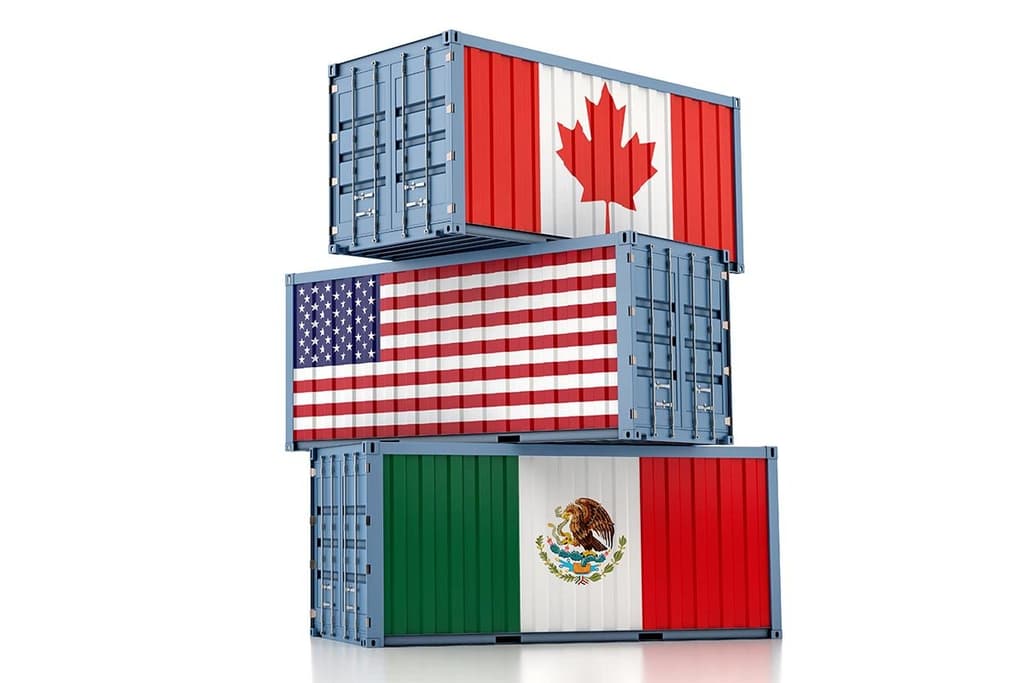
The United States declined to confirm a 16-year extension of the USMCA during the mandatory July 1, 2026, joint review under Article 34.7, citing unwillingness to renew the agreement in its current form while Mexico and Canada expressed support for immediate extension. This decision activated the annual review process through 2036, with the pact remaining fully operational in the interim. Ongoing bilateral talks, including a July round with Mexico focused on rules of origin, automotive content, and trade balances, have not yet produced trilateral consensus on extension. U.S. priorities emphasize revisions to address perceived imbalances, consistent with prior congressional consultations and public input processes. Traders therefore assign high probability against a 2026 extension, reflecting the formal outcome and continued negotiation timeline.
Polymarketデータを参照したAI生成の実験的な要約。これは取引アドバイスではなく、このマーケットの解決方法には一切関係ありません。 · 更新日はい
$10,265 Vol.
$10,265 Vol.
はい
$10,265 Vol.
$10,265 Vol.
A qualifying extension requires all three parties to formally extend the term of the agreement. This may occur through written confirmation of their wish to extend the term for a further period pursuant to USMCA Article 34.7, or through other formal means that clearly and definitively extend the term, such as a unanimous amendment of the agreement. An extension qualifies whether or not it also includes negotiated modifications to the original agreement.
The following will not qualify: announcements unaccompanied by a formal extension; extension of individual provisions that does not extend the agreement's term itself; commitments to extend by fewer than all three parties; and replacement of the USMCA with a separate or successor agreement, as opposed to continuation of the existing agreement.
The primary resolution source is official information from the United States, Canada, and Mexico; however, a consensus of credible reporting may also be used.
マーケット開始日: Jul 1, 2026, 5:35 PM ET
Resolver
0x65070BE91...A qualifying extension requires all three parties to formally extend the term of the agreement. This may occur through written confirmation of their wish to extend the term for a further period pursuant to USMCA Article 34.7, or through other formal means that clearly and definitively extend the term, such as a unanimous amendment of the agreement. An extension qualifies whether or not it also includes negotiated modifications to the original agreement.
The following will not qualify: announcements unaccompanied by a formal extension; extension of individual provisions that does not extend the agreement's term itself; commitments to extend by fewer than all three parties; and replacement of the USMCA with a separate or successor agreement, as opposed to continuation of the existing agreement.
The primary resolution source is official information from the United States, Canada, and Mexico; however, a consensus of credible reporting may also be used.
Resolver
0x65070BE91...The United States declined to confirm a 16-year extension of the USMCA during the mandatory July 1, 2026, joint review under Article 34.7, citing unwillingness to renew the agreement in its current form while Mexico and Canada expressed support for immediate extension. This decision activated the annual review process through 2036, with the pact remaining fully operational in the interim. Ongoing bilateral talks, including a July round with Mexico focused on rules of origin, automotive content, and trade balances, have not yet produced trilateral consensus on extension. U.S. priorities emphasize revisions to address perceived imbalances, consistent with prior congressional consultations and public input processes. Traders therefore assign high probability against a 2026 extension, reflecting the formal outcome and continued negotiation timeline.
Polymarketデータを参照したAI生成の実験的な要約。これは取引アドバイスではなく、このマーケットの解決方法には一切関係ありません。 · 更新日


外部リンクに注意してください。
外部リンクに注意してください。
よくある質問