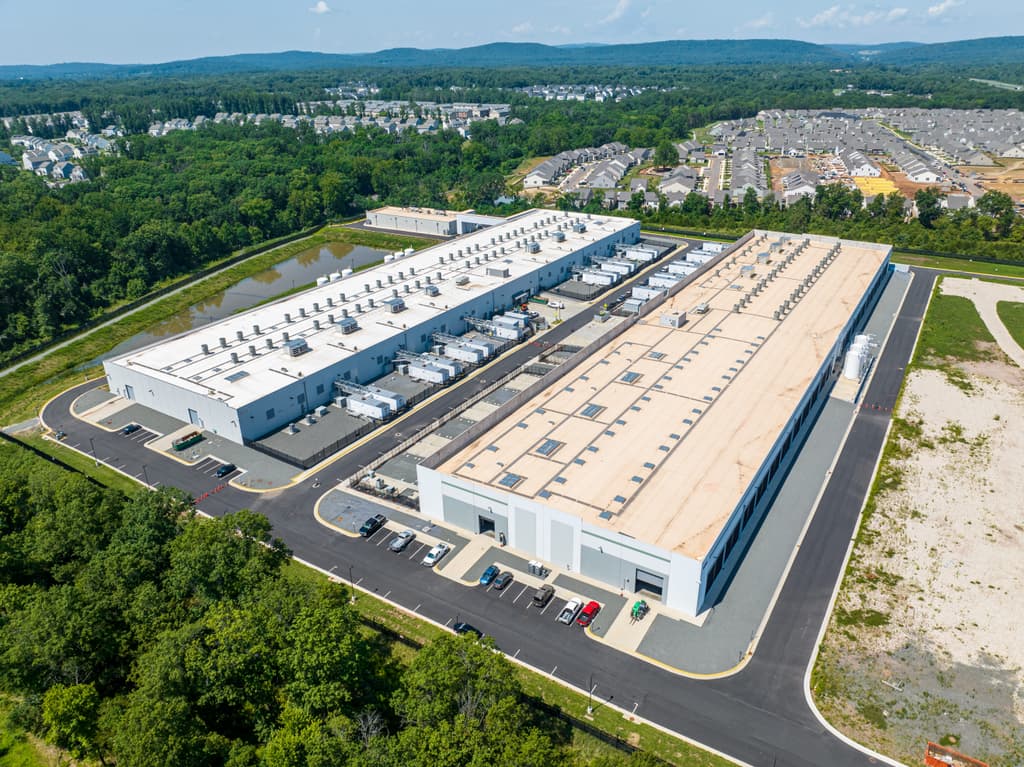
**Rising concerns over energy demand and grid strain from AI-fueled data center expansion have fueled a wave of local moratoriums and state-level proposals, pushing trader consensus toward a 73% implied probability of at least one statewide pause by year-end.** New York became the first to act in July 2026 when Governor Kathy Hochul issued an executive order halting new hyperscale facilities over 50 MW for one year, following legislative passage of related reforms. Dozens of municipalities across more than 30 states have enacted temporary bans or pauses this year—far outpacing 2025 activity—while bills remain active or under discussion in states including Michigan, Pennsylvania, Virginia, and New Hampshire. These measures typically target facilities exceeding 20 MW thresholds to allow time for impact studies on electricity costs, water use, and infrastructure. With several legislative sessions still ongoing and additional proposals advancing, traders see meaningful near-term risk of further state action before December 31.
Eksperymentalne podsumowanie AI odwołujące się do danych Polymarket. To nie jest porada handlowa i nie ma wpływu na rozstrzyganie tego rynku. · ZaktualizowanoWill any state enact a data center moratorium by December 31?
Will any state enact a data center moratorium by December 31?
A qualifying moratorium must temporarily or indefinitely prohibit, suspend, or pause the approval, permitting, construction, connection to the electrical grid or other utility infrastructure, or operation of new data centers, or a defined category of new data centers, within that state.
Qualifying legislation includes any state bill that establishes such a data center moratorium.
Qualifying legislation must be enacted into law in accordance with the applicable state’s constitutional and legal procedures. This generally requires final passage by the relevant state legislature and approval by the governor, becoming law without signature, or taking effect through a veto override or other lawful mechanism. Legislation that does not become law under the applicable state process, including vetoed bills that do not take effect, does not qualify.
The primary resolution sources for this market will be official state legislative trackers, governor’s office announcements, secretary of state records, and other official information from the relevant state government; however, a consensus of credible reporting may also be used.
Rynek otwarty: Jul 7, 2026, 9:23 PM ET
Rozstrzygający
0x65070BE91...A qualifying moratorium must temporarily or indefinitely prohibit, suspend, or pause the approval, permitting, construction, connection to the electrical grid or other utility infrastructure, or operation of new data centers, or a defined category of new data centers, within that state.
Qualifying legislation includes any state bill that establishes such a data center moratorium.
Qualifying legislation must be enacted into law in accordance with the applicable state’s constitutional and legal procedures. This generally requires final passage by the relevant state legislature and approval by the governor, becoming law without signature, or taking effect through a veto override or other lawful mechanism. Legislation that does not become law under the applicable state process, including vetoed bills that do not take effect, does not qualify.
The primary resolution sources for this market will be official state legislative trackers, governor’s office announcements, secretary of state records, and other official information from the relevant state government; however, a consensus of credible reporting may also be used.
Rozstrzygający
0x65070BE91...**Rising concerns over energy demand and grid strain from AI-fueled data center expansion have fueled a wave of local moratoriums and state-level proposals, pushing trader consensus toward a 73% implied probability of at least one statewide pause by year-end.** New York became the first to act in July 2026 when Governor Kathy Hochul issued an executive order halting new hyperscale facilities over 50 MW for one year, following legislative passage of related reforms. Dozens of municipalities across more than 30 states have enacted temporary bans or pauses this year—far outpacing 2025 activity—while bills remain active or under discussion in states including Michigan, Pennsylvania, Virginia, and New Hampshire. These measures typically target facilities exceeding 20 MW thresholds to allow time for impact studies on electricity costs, water use, and infrastructure. With several legislative sessions still ongoing and additional proposals advancing, traders see meaningful near-term risk of further state action before December 31.
Eksperymentalne podsumowanie AI odwołujące się do danych Polymarket. To nie jest porada handlowa i nie ma wpływu na rozstrzyganie tego rynku. · Zaktualizowano


Uważaj na linki zewnętrzne.
Uważaj na linki zewnętrzne.
Często zadawane pytania