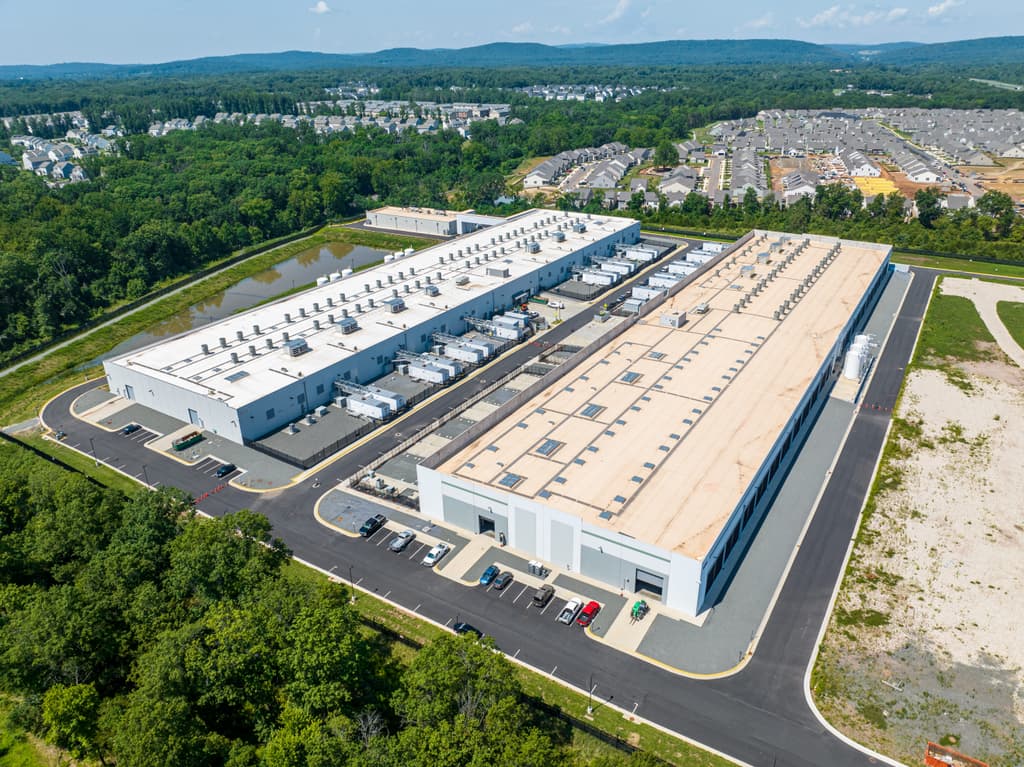
**New York’s July 2026 executive order imposing the first statewide one-year pause on new hyperscale data centers over 50 MW has established clear precedent for state-level action.** This development, alongside a fourfold increase in local moratoriums and bans in 2026 (reaching 94), reflects accelerating bipartisan pushback driven by surging electricity demand, water consumption, grid strain, and rising utility costs from AI and cloud infrastructure. Multiple states including Michigan, North Carolina, Pennsylvania, and Oregon maintain pending statewide bills or active local pauses that could produce additional enactments before December 31. Trader consensus at 69.3% implied probability for “Yes” captures both the momentum from New York’s precedent and the realistic chance that legislative or executive steps in at least one more state will clear before year-end, tempered by past vetoes and varying bill scopes.
สรุปจาก AI ทดลองที่อ้างอิงข้อมูลจาก Polymarket ไม่ใช่คำแนะนำในการเทรดและไม่มีผลต่อการตัดสินตลาดนี้ · อัปเดตแล้วWill any state enact a data center moratorium by December 31?
Will any state enact a data center moratorium by December 31?
A qualifying moratorium must temporarily or indefinitely prohibit, suspend, or pause the approval, permitting, construction, connection to the electrical grid or other utility infrastructure, or operation of new data centers, or a defined category of new data centers, within that state.
Qualifying legislation includes any state bill that establishes such a data center moratorium.
Qualifying legislation must be enacted into law in accordance with the applicable state’s constitutional and legal procedures. This generally requires final passage by the relevant state legislature and approval by the governor, becoming law without signature, or taking effect through a veto override or other lawful mechanism. Legislation that does not become law under the applicable state process, including vetoed bills that do not take effect, does not qualify.
The primary resolution sources for this market will be official state legislative trackers, governor’s office announcements, secretary of state records, and other official information from the relevant state government; however, a consensus of credible reporting may also be used.
ตลาดเปิดเมื่อ: Jul 7, 2026, 9:23 PM ET
ผู้ตัดสินผล
0x65070BE91...A qualifying moratorium must temporarily or indefinitely prohibit, suspend, or pause the approval, permitting, construction, connection to the electrical grid or other utility infrastructure, or operation of new data centers, or a defined category of new data centers, within that state.
Qualifying legislation includes any state bill that establishes such a data center moratorium.
Qualifying legislation must be enacted into law in accordance with the applicable state’s constitutional and legal procedures. This generally requires final passage by the relevant state legislature and approval by the governor, becoming law without signature, or taking effect through a veto override or other lawful mechanism. Legislation that does not become law under the applicable state process, including vetoed bills that do not take effect, does not qualify.
The primary resolution sources for this market will be official state legislative trackers, governor’s office announcements, secretary of state records, and other official information from the relevant state government; however, a consensus of credible reporting may also be used.
ผู้ตัดสินผล
0x65070BE91...**New York’s July 2026 executive order imposing the first statewide one-year pause on new hyperscale data centers over 50 MW has established clear precedent for state-level action.** This development, alongside a fourfold increase in local moratoriums and bans in 2026 (reaching 94), reflects accelerating bipartisan pushback driven by surging electricity demand, water consumption, grid strain, and rising utility costs from AI and cloud infrastructure. Multiple states including Michigan, North Carolina, Pennsylvania, and Oregon maintain pending statewide bills or active local pauses that could produce additional enactments before December 31. Trader consensus at 69.3% implied probability for “Yes” captures both the momentum from New York’s precedent and the realistic chance that legislative or executive steps in at least one more state will clear before year-end, tempered by past vetoes and varying bill scopes.
สรุปจาก AI ทดลองที่อ้างอิงข้อมูลจาก Polymarket ไม่ใช่คำแนะนำในการเทรดและไม่มีผลต่อการตัดสินตลาดนี้ · อัปเดตแล้ว


ระวังลิงก์ภายนอก
ระวังลิงก์ภายนอก
คำถามที่พบบ่อย