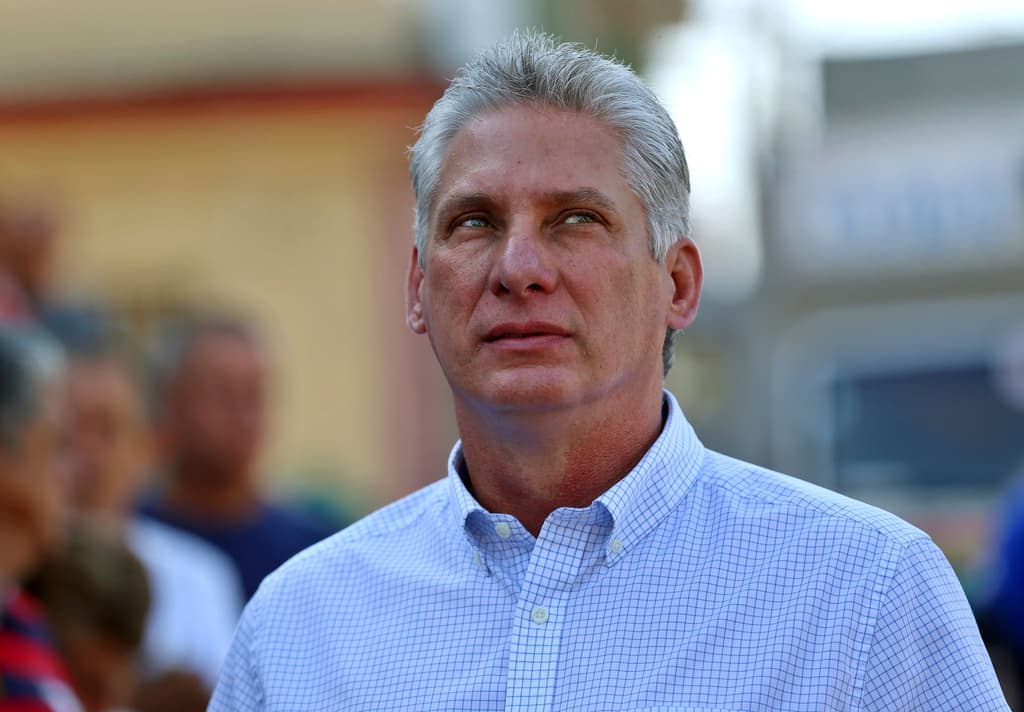
US sanctions on Cuba have intensified in 2026 under a maximum-pressure approach, including designations targeting President Miguel Díaz-Canel, his wife, senior military figures, and state-linked entities in mining and defense, alongside a May indictment of former leader Raúl Castro for a 1996 incident. These measures coincide with broader restrictions on energy supplies and secondary sanctions, contributing to Cuba’s economic strain and power shortages while prompting limited diplomatic exchanges between the two governments. Díaz-Canel has remained in Havana conducting routine state functions, public appearances, and domestic policy initiatives through September 2026, with no verified reports of detention, extradition proceedings, or physical transfer to US authorities. Structural factors such as the absence of an extradition treaty and Cuba’s sovereign control over its territory continue to shape the practical barriers to custody.
Eksperimental na AI-generated summary na nire-reference ang Polymarket data. Hindi ito trading advice at wala itong papel sa kung paano nire-resolve ang market na ito. · Na-update$66,106 Vol.
December 31
5%
$66,106 Vol.
December 31
5%
Miguel Díaz-Canel will be considered taken into U.S. government custody if U.S. government personnel (including military, CIA, personnel of another agency, or contractors acting under direct U.S. government authority) physically detain, arrest, capture, or otherwise assume physical custodial control of Miguel Díaz-Canel, regardless of location or duration.
Visits, interactions with U.S. government personnel, or Miguel Díaz-Canel’s presence in U.S. spaces (including vessels, bases, facilities, or meetings) in a voluntary, non-detained capacity will not qualify. A voluntary surrender to U.S. personnel in which Miguel Díaz-Canel submits to U.S. custody, however, will qualify.
Custody that is carried out by non-U.S. entities (including allied or partner forces) will not qualify unless U.S. personnel are physically present and themselves assume custodial control of Miguel Díaz-Canel, or unless a subsequent transfer into U.S. custody occurs.
The resolution sources for this market will be official information from the U.S. government and a consensus of credible reporting.
Binuksan ang Market: Jun 30, 2026, 7:48 PM ET
Resolver
0x65070BE91...Miguel Díaz-Canel will be considered taken into U.S. government custody if U.S. government personnel (including military, CIA, personnel of another agency, or contractors acting under direct U.S. government authority) physically detain, arrest, capture, or otherwise assume physical custodial control of Miguel Díaz-Canel, regardless of location or duration.
Visits, interactions with U.S. government personnel, or Miguel Díaz-Canel’s presence in U.S. spaces (including vessels, bases, facilities, or meetings) in a voluntary, non-detained capacity will not qualify. A voluntary surrender to U.S. personnel in which Miguel Díaz-Canel submits to U.S. custody, however, will qualify.
Custody that is carried out by non-U.S. entities (including allied or partner forces) will not qualify unless U.S. personnel are physically present and themselves assume custodial control of Miguel Díaz-Canel, or unless a subsequent transfer into U.S. custody occurs.
The resolution sources for this market will be official information from the U.S. government and a consensus of credible reporting.
Resolver
0x65070BE91...US sanctions on Cuba have intensified in 2026 under a maximum-pressure approach, including designations targeting President Miguel Díaz-Canel, his wife, senior military figures, and state-linked entities in mining and defense, alongside a May indictment of former leader Raúl Castro for a 1996 incident. These measures coincide with broader restrictions on energy supplies and secondary sanctions, contributing to Cuba’s economic strain and power shortages while prompting limited diplomatic exchanges between the two governments. Díaz-Canel has remained in Havana conducting routine state functions, public appearances, and domestic policy initiatives through September 2026, with no verified reports of detention, extradition proceedings, or physical transfer to US authorities. Structural factors such as the absence of an extradition treaty and Cuba’s sovereign control over its territory continue to shape the practical barriers to custody.
Eksperimental na AI-generated summary na nire-reference ang Polymarket data. Hindi ito trading advice at wala itong papel sa kung paano nire-resolve ang market na ito. · Na-update


Mag-ingat sa mga external link.
Mag-ingat sa mga external link.
Mga Madalas na Tanong