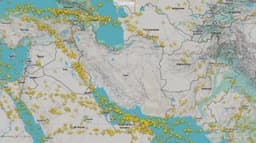
icon for Iran full airspace closure by...?

Iran full airspace closure by...?

icon for Iran full airspace closure by...?

Iran full airspace closure by...?

BAGO

$37,402 Vol.

Jun 30, 2026
Polymarket

$37,402 Vol.

Polymarket

June 30

$31,908 Vol.

9%

July 15

$3,288 Vol.

14%

July 31

$2,004 Vol.

24%

August 31

$202 Vol.

56%

This market will resolve to “Yes” if Iran initiates a general closure of its airspace, that is not solely due to weather conditions, between market creation and the specified date, 11:59 PM ET. Otherwise, this market will resolve to “No”. A “general closure” refers to a cancellation or suspension of aviation which is generally applicable to all commercial flights transiting Iranian airspace (“Tehran FIR”). A qualifying closure must apply generally to all of Iran or the Tehran FIR; limited cancellations, delays, or partial closures will not qualify. A closure which applies generally to commercial aviation across Iranian airspace, with limited exceptions for certain categories of flights, however, will qualify (e.g. exceptions for certain flights pre-approved by the Iranian Civil Aviation Authority may be permitted). Qualifying previous examples include the February 28, 2026 total closure of Iranian airspace (https://www.iranintl.com/en/202602289115) and the January 2026 total closure of Iranian airspace except to international flights with express governmental permission (https://www.reuters.com/world/middle-east/iran-shuts-airspace-most-flights-flightradar24-says-2026-01-14/). Non-qualifying examples include the January 27, 2026 partial closure of Iranian airspace around the Strait of Hormuz (https://www.aa.com.tr/en/middle-east/iran-issues-airspace-notice-for-military-drills-near-strait-of-hormuz/3812508), the April 2024 closure of Iran’s western airspace (https://www.reuters.com/world/middle-east/iranian-airports-cancel-flights-until-monday-morning-2024-04-14/), and the January 25 - April 25, 2026 VFR (Visual Flight Rules) flights suspension which did not broadly close commercial aviation in Iran (https://www.intellinews.com/iran-suspends-general-aviation-and-vfr-flights-in-new-airspace-directive-421997/). Warnings, No-Fly-Zones, or other flight restrictions imposed by airlines or countries other than Iran will not be sufficient for a “Yes” resolution. Airspace closures which occur solely due to weather conditions, earthquakes, or volcanic eruptions, will not qualify. The primary resolution sources for this market will be official information from Iranian aviation authorities and a consensus of credible reporting.Recent US and Israeli strikes on Iranian military targets in March 2026 prompted a full closure of the Tehran Flight Information Region, followed by Iranian missile and drone responses that sustained regional tensions. Partial reopenings began in April and advanced in phases through June, with the eastern sector allowing limited overflights while the western portion stayed restricted amid a US-Iran agreement that includes IAEA access steps. Trader sentiment reflects ongoing diplomatic implementation risks, potential for renewed escalation tied to nuclear site disputes or proxy activities, and scheduled milestones in the coming weeks that could trigger renewed restrictions or further easing of airspace controls.

This market will resolve to “Yes” if Iran initiates a general closure of its airspace, that is not solely due to weather conditions, between market creation and the specified date, 11:59 PM ET. Otherwise, this market will resolve to “No”.

A “general closure” refers to a cancellation or suspension of aviation which is generally applicable to all commercial flights transiting Iranian airspace (“Tehran FIR”). A qualifying closure must apply generally to all of Iran or the Tehran FIR; limited cancellations, delays, or partial closures will not qualify. A closure which applies generally to commercial aviation across Iranian airspace, with limited exceptions for certain categories of flights, however, will qualify (e.g. exceptions for certain flights pre-approved by the Iranian Civil Aviation Authority may be permitted).

Qualifying previous examples include the February 28, 2026 total closure of Iranian airspace (https://www.iranintl.com/en/202602289115) and the January 2026 total closure of Iranian airspace except to international flights with express governmental permission (https://www.reuters.com/world/middle-east/iran-shuts-airspace-most-flights-flightradar24-says-2026-01-14/). Non-qualifying examples include the January 27, 2026 partial closure of Iranian airspace around the Strait of Hormuz (https://www.aa.com.tr/en/middle-east/iran-issues-airspace-notice-for-military-drills-near-strait-of-hormuz/3812508), the April 2024 closure of Iran’s western airspace (https://www.reuters.com/world/middle-east/iranian-airports-cancel-flights-until-monday-morning-2024-04-14/), and the January 25 - April 25, 2026 VFR (Visual Flight Rules) flights suspension which did not broadly close commercial aviation in Iran (https://www.intellinews.com/iran-suspends-general-aviation-and-vfr-flights-in-new-airspace-directive-421997/).

Warnings, No-Fly-Zones, or other flight restrictions imposed by airlines or countries other than Iran will not be sufficient for a “Yes” resolution.

Airspace closures which occur solely due to weather conditions, earthquakes, or volcanic eruptions, will not qualify.

The primary resolution sources for this market will be official information from Iranian aviation authorities and a consensus of credible reporting.
Volume
$37,402
Petsa ng Pagtatapos
Aug 31, 2026
Binuksan ang Market
Jun 25, 2026, 7:21 PM ET
This market will resolve to “Yes” if Iran initiates a general closure of its airspace, that is not solely due to weather conditions, between market creation and the specified date, 11:59 PM ET. Otherwise, this market will resolve to “No”. A “general closure” refers to a cancellation or suspension of aviation which is generally applicable to all commercial flights transiting Iranian airspace (“Tehran FIR”). A qualifying closure must apply generally to all of Iran or the Tehran FIR; limited cancellations, delays, or partial closures will not qualify. A closure which applies generally to commercial aviation across Iranian airspace, with limited exceptions for certain categories of flights, however, will qualify (e.g. exceptions for certain flights pre-approved by the Iranian Civil Aviation Authority may be permitted). Qualifying previous examples include the February 28, 2026 total closure of Iranian airspace (https://www.iranintl.com/en/202602289115) and the January 2026 total closure of Iranian airspace except to international flights with express governmental permission (https://www.reuters.com/world/middle-east/iran-shuts-airspace-most-flights-flightradar24-says-2026-01-14/). Non-qualifying examples include the January 27, 2026 partial closure of Iranian airspace around the Strait of Hormuz (https://www.aa.com.tr/en/middle-east/iran-issues-airspace-notice-for-military-drills-near-strait-of-hormuz/3812508), the April 2024 closure of Iran’s western airspace (https://www.reuters.com/world/middle-east/iranian-airports-cancel-flights-until-monday-morning-2024-04-14/), and the January 25 - April 25, 2026 VFR (Visual Flight Rules) flights suspension which did not broadly close commercial aviation in Iran (https://www.intellinews.com/iran-suspends-general-aviation-and-vfr-flights-in-new-airspace-directive-421997/). Warnings, No-Fly-Zones, or other flight restrictions imposed by airlines or countries other than Iran will not be sufficient for a “Yes” resolution. Airspace closures which occur solely due to weather conditions, earthquakes, or volcanic eruptions, will not qualify. The primary resolution sources for this market will be official information from Iranian aviation authorities and a consensus of credible reporting.
This market will resolve to “Yes” if Iran initiates a general closure of its airspace, that is not solely due to weather conditions, between market creation and the specified date, 11:59 PM ET. Otherwise, this market will resolve to “No”. A “general closure” refers to a cancellation or suspension of aviation which is generally applicable to all commercial flights transiting Iranian airspace (“Tehran FIR”). A qualifying closure must apply generally to all of Iran or the Tehran FIR; limited cancellations, delays, or partial closures will not qualify. A closure which applies generally to commercial aviation across Iranian airspace, with limited exceptions for certain categories of flights, however, will qualify (e.g. exceptions for certain flights pre-approved by the Iranian Civil Aviation Authority may be permitted). Qualifying previous examples include the February 28, 2026 total closure of Iranian airspace (https://www.iranintl.com/en/202602289115) and the January 2026 total closure of Iranian airspace except to international flights with express governmental permission (https://www.reuters.com/world/middle-east/iran-shuts-airspace-most-flights-flightradar24-says-2026-01-14/). Non-qualifying examples include the January 27, 2026 partial closure of Iranian airspace around the Strait of Hormuz (https://www.aa.com.tr/en/middle-east/iran-issues-airspace-notice-for-military-drills-near-strait-of-hormuz/3812508), the April 2024 closure of Iran’s western airspace (https://www.reuters.com/world/middle-east/iranian-airports-cancel-flights-until-monday-morning-2024-04-14/), and the January 25 - April 25, 2026 VFR (Visual Flight Rules) flights suspension which did not broadly close commercial aviation in Iran (https://www.intellinews.com/iran-suspends-general-aviation-and-vfr-flights-in-new-airspace-directive-421997/). Warnings, No-Fly-Zones, or other flight restrictions imposed by airlines or countries other than Iran will not be sufficient for a “Yes” resolution. Airspace closures which occur solely due to weather conditions, earthquakes, or volcanic eruptions, will not qualify. The primary resolution sources for this market will be official information from Iranian aviation authorities and a consensus of credible reporting.Recent US and Israeli strikes on Iranian military targets in March 2026 prompted a full closure of the Tehran Flight Information Region, followed by Iranian missile and drone responses that sustained regional tensions. Partial reopenings began in April and advanced in phases through June, with the eastern sector allowing limited overflights while the western portion stayed restricted amid a US-Iran agreement that includes IAEA access steps. Trader sentiment reflects ongoing diplomatic implementation risks, potential for renewed escalation tied to nuclear site disputes or proxy activities, and scheduled milestones in the coming weeks that could trigger renewed restrictions or further easing of airspace controls.

This market will resolve to “Yes” if Iran initiates a general closure of its airspace, that is not solely due to weather conditions, between market creation and the specified date, 11:59 PM ET. Otherwise, this market will resolve to “No”.

A “general closure” refers to a cancellation or suspension of aviation which is generally applicable to all commercial flights transiting Iranian airspace (“Tehran FIR”). A qualifying closure must apply generally to all of Iran or the Tehran FIR; limited cancellations, delays, or partial closures will not qualify. A closure which applies generally to commercial aviation across Iranian airspace, with limited exceptions for certain categories of flights, however, will qualify (e.g. exceptions for certain flights pre-approved by the Iranian Civil Aviation Authority may be permitted).

Qualifying previous examples include the February 28, 2026 total closure of Iranian airspace (https://www.iranintl.com/en/202602289115) and the January 2026 total closure of Iranian airspace except to international flights with express governmental permission (https://www.reuters.com/world/middle-east/iran-shuts-airspace-most-flights-flightradar24-says-2026-01-14/). Non-qualifying examples include the January 27, 2026 partial closure of Iranian airspace around the Strait of Hormuz (https://www.aa.com.tr/en/middle-east/iran-issues-airspace-notice-for-military-drills-near-strait-of-hormuz/3812508), the April 2024 closure of Iran’s western airspace (https://www.reuters.com/world/middle-east/iranian-airports-cancel-flights-until-monday-morning-2024-04-14/), and the January 25 - April 25, 2026 VFR (Visual Flight Rules) flights suspension which did not broadly close commercial aviation in Iran (https://www.intellinews.com/iran-suspends-general-aviation-and-vfr-flights-in-new-airspace-directive-421997/).

Warnings, No-Fly-Zones, or other flight restrictions imposed by airlines or countries other than Iran will not be sufficient for a “Yes” resolution.

Airspace closures which occur solely due to weather conditions, earthquakes, or volcanic eruptions, will not qualify.

The primary resolution sources for this market will be official information from Iranian aviation authorities and a consensus of credible reporting.
Volume
$37,402
Petsa ng Pagtatapos
Aug 31, 2026
Binuksan ang Market
Jun 25, 2026, 7:21 PM ET
This market will resolve to “Yes” if Iran initiates a general closure of its airspace, that is not solely due to weather conditions, between market creation and the specified date, 11:59 PM ET. Otherwise, this market will resolve to “No”. A “general closure” refers to a cancellation or suspension of aviation which is generally applicable to all commercial flights transiting Iranian airspace (“Tehran FIR”). A qualifying closure must apply generally to all of Iran or the Tehran FIR; limited cancellations, delays, or partial closures will not qualify. A closure which applies generally to commercial aviation across Iranian airspace, with limited exceptions for certain categories of flights, however, will qualify (e.g. exceptions for certain flights pre-approved by the Iranian Civil Aviation Authority may be permitted). Qualifying previous examples include the February 28, 2026 total closure of Iranian airspace (https://www.iranintl.com/en/202602289115) and the January 2026 total closure of Iranian airspace except to international flights with express governmental permission (https://www.reuters.com/world/middle-east/iran-shuts-airspace-most-flights-flightradar24-says-2026-01-14/). Non-qualifying examples include the January 27, 2026 partial closure of Iranian airspace around the Strait of Hormuz (https://www.aa.com.tr/en/middle-east/iran-issues-airspace-notice-for-military-drills-near-strait-of-hormuz/3812508), the April 2024 closure of Iran’s western airspace (https://www.reuters.com/world/middle-east/iranian-airports-cancel-flights-until-monday-morning-2024-04-14/), and the January 25 - April 25, 2026 VFR (Visual Flight Rules) flights suspension which did not broadly close commercial aviation in Iran (https://www.intellinews.com/iran-suspends-general-aviation-and-vfr-flights-in-new-airspace-directive-421997/). Warnings, No-Fly-Zones, or other flight restrictions imposed by airlines or countries other than Iran will not be sufficient for a “Yes” resolution. Airspace closures which occur solely due to weather conditions, earthquakes, or volcanic eruptions, will not qualify. The primary resolution sources for this market will be official information from Iranian aviation authorities and a consensus of credible reporting.

Mag-ingat sa mga external link.

Mga Madalas na Tanong

Ang "Iran full airspace closure by...?" ay isang prediction market sa Polymarket na may 4 posibleng outcomes kung saan bumibili at nagbebenta ang mga trader ng shares batay sa kanilang pinaniniwalaan na mangyayari. Ang kasalukuyang nangunguna ay "August 31" sa 56%, sinusundan ng "July 31" sa 24%. Ang mga presyo ay sumasalamin sa real-time crowd-sourced probabilities. Halimbawa, ang isang share na naka-presyo sa 56¢ ay nagpapahiwatig na kolektibong itinatakda ng market ang 56% na tsansa sa outcome na iyon. Patuloy na nagbabago ang mga odds na ito habang tumutugon ang mga trader sa mga bagong development at impormasyon. Ang mga shares sa tamang outcome ay mare-redeem sa $1 bawat isa sa market resolution.

Sa ngayon, ang "Iran full airspace closure by...?" ay naka-generate ng $37.4K sa kabuuang trading volume mula nang ilunsad ang market noong Jun 25, 2026. Ang antas na ito ng trading activity ay sumasalamin sa malakas na engagement mula sa Polymarket community at tumutulong na matiyak na ang kasalukuyang odds ay sinusuportahan ng malawak na pool ng mga market participant. Maaari mong subaybayan ang live price movements at mag-trade sa anumang outcome nang direkta sa pahinang ito.

Para mag-trade sa "Iran full airspace closure by...?," i-browse ang 4 available na outcomes na nakalista sa pahinang ito. Ang bawat outcome ay may kasalukuyang presyo na kumakatawan sa implied probability ng market. Para kumuha ng posisyon, piliin ang outcome na pinaniniwalaan mong pinaka-malamang, piliin ang "Yes" para mag-trade pabor dito o "No" para mag-trade laban dito, ilagay ang iyong halaga, at i-click ang "Trade." Kung tama ang iyong napiling outcome kapag na-resolve ang market, nagbabayad ang iyong "Yes" shares ng $1 bawat isa. Kung mali, nagbabayad ang mga ito ng $0. Maaari ka ring magbenta ng iyong shares anumang oras bago ang resolution kung gusto mong i-lock in ang kita o bawasan ang pagkalugi.

Ang kasalukuyang frontrunner para sa "Iran full airspace closure by...?" ay "August 31" sa 56%, ibig sabihin itinatakda ng market ang 56% na tsansa sa outcome na iyon. Ang sumunod na pinaka-malapit na outcome ay "July 31" sa 24%. Nag-a-update ang mga odds na ito sa real-time habang bumibili at nagbebenta ang mga trader ng shares, kaya sinasalamin nila ang pinakabagong kolektibong view kung ano ang pinaka-malamang na mangyari. Bumalik nang madalas o i-bookmark ang pahinang ito para sundan kung paano nagbabago ang odds habang lumilitaw ang bagong impormasyon.

Ang mga resolution rules para sa "Iran full airspace closure by...?" ay tiyak na nagde-define kung ano ang kailangang mangyari para sa bawat outcome na maideklara bilang panalo — kasama ang mga opisyal na data source na ginagamit para matukoy ang resulta. Maaari mong i-review ang kumpletong resolution criteria sa "Rules" section sa pahinang ito sa itaas ng mga komento. Inirerekomenda namin na basahin nang mabuti ang mga patakaran bago mag-trade, dahil tinutukoy nila ang mga tiyak na kondisyon, edge cases, at mga source na namamahala kung paano nise-settle ang market na ito.