**Recent FOMC actions and economic data are the main drivers of trader positioning on whether the federal funds target range will reach specific levels before 2027.** On September 16, 2026, the Committee unanimously raised the range by 25 basis points to 3.75–4.00 percent—its first hike since 2023—citing elevated inflation (PCE around 3.6–3.7 percent for 2026) and resilient growth despite geopolitical uncertainty. Updated projections show a median policy rate of 4.1 percent by year-end 2026, with 16 of 18 participants expecting at least one additional quarter-point hike, while the 2027 median also holds near 4.1 percent before any easing. A solid labor market (unemployment near 4.1 percent) and strong productivity give policymakers room to prioritize price stability over near-term cuts. Key upcoming catalysts include the October 27–28 and December 8–9 FOMC meetings, plus monthly CPI, PCE, and employment releases that could shift rate-path expectations and market-implied odds.
Experimentelle KI-generierte Zusammenfassung mit Polymarket-Daten. Dies ist keine Handelsberatung und spielt keine Rolle bei der Auflösung dieses Marktes. · AktualisiertFederal Reserve Chair Kevin Warsh leads unanimous rate hike to 3.75%-4%
↑ 4.25% surges to 77%50%
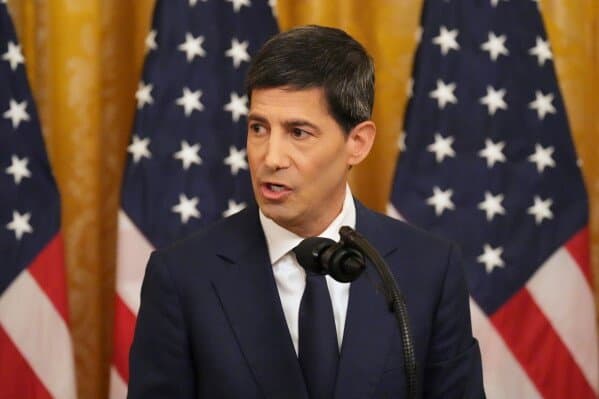
Kevin Warsh, confirmed as Fed Chair in May 2026, led the Federal Reserve's unanimous decision to raise rates to 3.75%-4.00% on September 16, 2026, emphasizing the importance of price stability and signaling a shift in monetary policy after years of steady rates.
FOMC raises federal funds rate by 25 basis points to 4.00%-4.25% to combat elevated inflation
↑ 4.25% surges to 79%64%
In September 2026, the Fed unanimously voted to increase the target range by 25 basis points, citing persistent inflation above target, which significantly boosted market expectations for the 4.25% outcome and reduced probabilities for lower rate outcomes.
Vorsicht bei externen Links.
Vorsicht bei externen Links.
Häufig gestellte Fragen