icon for Federal Gas Tax Suspended by...?

Federal Gas Tax Suspended by...?

icon for Federal Gas Tax Suspended by...?

Federal Gas Tax Suspended by...?

NUEVO
30 jun 2026
Polymarket

$4,940 Vol.

Polymarket

June 30

$3,326 Vol.

18%

November 2

$1,614 Vol.

40%

On May 11, 2026, Trump proposed suspending the federal gas tax. This market will resolve to "Yes" if legislation that would, at least temporarily, suspend the federal excise tax on gasoline is passed by both chambers of the U.S. Congress and signed into law by the specified date (ET). Otherwise, this market will resolve to "No". Qualifying legislation may include joint resolutions and must pass both the House and the Senate, and must be signed by the President, become law without signature while Congress remains in session, or become law through veto override. Presidential pocket vetoes that expire will not qualify. The primary resolution sources for this market will be Congress.gov’s legislation tracker (https://www.congress.gov/bill/119th-congress/house-bill/22), the Library of Congress (congress.gov), and other official information from the government of the United States; however, a consensus of credible reporting may also be used.President Trump’s proposal to suspend the 18.4-cent federal gasoline excise tax and the 24.4-cent diesel tax for a temporary period has become the central driver of trader sentiment, following sharp fuel-price increases tied to the ongoing Iran conflict. Republican lawmakers including Sen. Josh Hawley introduced legislation on May 11 for a 90-day pause extendable by another 90 days at presidential discretion, while earlier Democratic bills sought a suspension through October. Passage requires congressional approval and faces resistance over limited per-driver savings and potential shortfalls for the Highway Trust Fund. Congress remains divided along partisan lines on offsetting revenue losses, with no floor votes scheduled and leadership expressing caution about fiscal and infrastructure impacts.

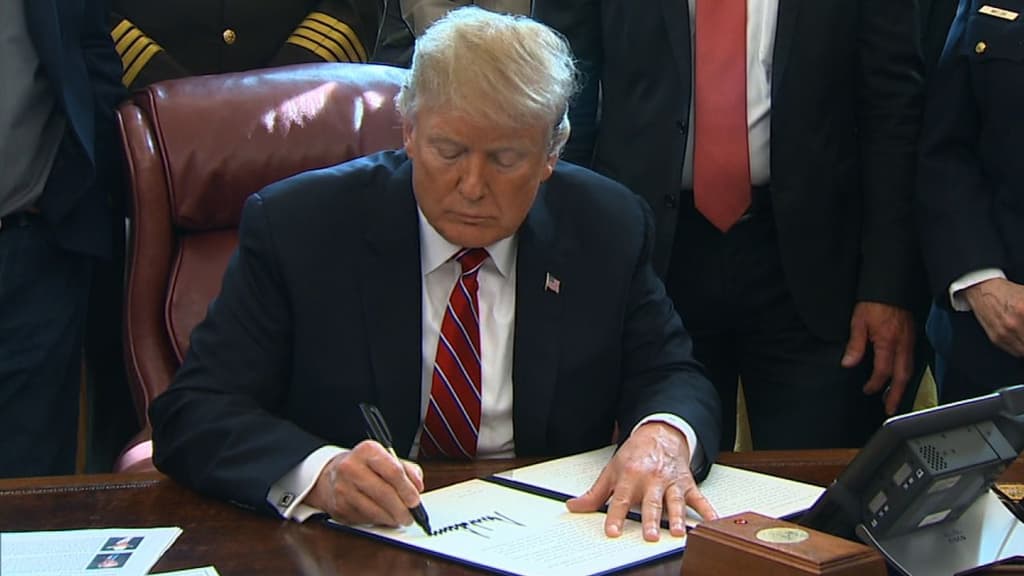
On May 11, 2026, Trump proposed suspending the federal gas tax.

This market will resolve to "Yes" if legislation that would, at least temporarily, suspend the federal excise tax on gasoline is passed by both chambers of the U.S. Congress and signed into law by the specified date (ET). Otherwise, this market will resolve to "No".

Qualifying legislation may include joint resolutions and must pass both the House and the Senate, and must be signed by the President, become law without signature while Congress remains in session, or become law through veto override. Presidential pocket vetoes that expire will not qualify.

The primary resolution sources for this market will be Congress.gov’s legislation tracker (https://www.congress.gov/bill/119th-congress/house-bill/22), the Library of Congress (congress.gov), and other official information from the government of the United States; however, a consensus of credible reporting may also be used.
Volumen
$4,940
Fecha de finalización
31 dic 2026
Mercado abierto
May 12, 2026, 1:38 PM ET
On May 11, 2026, Trump proposed suspending the federal gas tax. This market will resolve to "Yes" if legislation that would, at least temporarily, suspend the federal excise tax on gasoline is passed by both chambers of the U.S. Congress and signed into law by the specified date (ET). Otherwise, this market will resolve to "No". Qualifying legislation may include joint resolutions and must pass both the House and the Senate, and must be signed by the President, become law without signature while Congress remains in session, or become law through veto override. Presidential pocket vetoes that expire will not qualify. The primary resolution sources for this market will be Congress.gov’s legislation tracker (https://www.congress.gov/bill/119th-congress/house-bill/22), the Library of Congress (congress.gov), and other official information from the government of the United States; however, a consensus of credible reporting may also be used.
On May 11, 2026, Trump proposed suspending the federal gas tax. This market will resolve to "Yes" if legislation that would, at least temporarily, suspend the federal excise tax on gasoline is passed by both chambers of the U.S. Congress and signed into law by the specified date (ET). Otherwise, this market will resolve to "No". Qualifying legislation may include joint resolutions and must pass both the House and the Senate, and must be signed by the President, become law without signature while Congress remains in session, or become law through veto override. Presidential pocket vetoes that expire will not qualify. The primary resolution sources for this market will be Congress.gov’s legislation tracker (https://www.congress.gov/bill/119th-congress/house-bill/22), the Library of Congress (congress.gov), and other official information from the government of the United States; however, a consensus of credible reporting may also be used.President Trump’s proposal to suspend the 18.4-cent federal gasoline excise tax and the 24.4-cent diesel tax for a temporary period has become the central driver of trader sentiment, following sharp fuel-price increases tied to the ongoing Iran conflict. Republican lawmakers including Sen. Josh Hawley introduced legislation on May 11 for a 90-day pause extendable by another 90 days at presidential discretion, while earlier Democratic bills sought a suspension through October. Passage requires congressional approval and faces resistance over limited per-driver savings and potential shortfalls for the Highway Trust Fund. Congress remains divided along partisan lines on offsetting revenue losses, with no floor votes scheduled and leadership expressing caution about fiscal and infrastructure impacts.

On May 11, 2026, Trump proposed suspending the federal gas tax.

This market will resolve to "Yes" if legislation that would, at least temporarily, suspend the federal excise tax on gasoline is passed by both chambers of the U.S. Congress and signed into law by the specified date (ET). Otherwise, this market will resolve to "No".

Qualifying legislation may include joint resolutions and must pass both the House and the Senate, and must be signed by the President, become law without signature while Congress remains in session, or become law through veto override. Presidential pocket vetoes that expire will not qualify.

The primary resolution sources for this market will be Congress.gov’s legislation tracker (https://www.congress.gov/bill/119th-congress/house-bill/22), the Library of Congress (congress.gov), and other official information from the government of the United States; however, a consensus of credible reporting may also be used.
Volumen
$4,940
Fecha de finalización
31 dic 2026
Mercado abierto
May 12, 2026, 1:38 PM ET
On May 11, 2026, Trump proposed suspending the federal gas tax. This market will resolve to "Yes" if legislation that would, at least temporarily, suspend the federal excise tax on gasoline is passed by both chambers of the U.S. Congress and signed into law by the specified date (ET). Otherwise, this market will resolve to "No". Qualifying legislation may include joint resolutions and must pass both the House and the Senate, and must be signed by the President, become law without signature while Congress remains in session, or become law through veto override. Presidential pocket vetoes that expire will not qualify. The primary resolution sources for this market will be Congress.gov’s legislation tracker (https://www.congress.gov/bill/119th-congress/house-bill/22), the Library of Congress (congress.gov), and other official information from the government of the United States; however, a consensus of credible reporting may also be used.

Cuidado con los enlaces externos.

Preguntas frecuentes

"Federal Gas Tax Suspended by...?" es un mercado de predicción en Polymarket con 2 resultados posibles donde los operadores compran y venden acciones según lo que creen que sucederá. El resultado líder actual es "November 2" con 40%, seguido de "June 30" con 18%. Los precios reflejan probabilidades en tiempo real de la comunidad. Por ejemplo, una acción cotizada a 40¢ implica que el mercado colectivamente asigna una probabilidad de 40% a ese resultado. Estas probabilidades cambian continuamente a medida que los operadores reaccionan a nuevos desarrollos. Las acciones del resultado correcto son canjeables por $1 cada una tras la resolución del mercado.

"Federal Gas Tax Suspended by...?" es un mercado recién creado en Polymarket, lanzado el May 12, 2026. Como mercado nuevo, esta es tu oportunidad de ser uno de los primeros operadores en establecer las probabilidades y las señales de precio iniciales del mercado. También puedes guardar esta página en marcadores para seguir el volumen y la actividad de trading a medida que el mercado gana tracción.

Para operar en "Federal Gas Tax Suspended by...?", explora los 2 resultados disponibles en esta página. Cada resultado muestra un precio actual que representa la probabilidad implícita del mercado. Para tomar una posición, selecciona el resultado que consideres más probable, elige "Sí" para operar a favor o "No" para operar en contra, introduce tu cantidad y haz clic en "Operar". Si tu resultado elegido es correcto cuando el mercado se resuelve, tus acciones de "Sí" pagan $1 cada una. Si es incorrecto, pagan $0. También puedes vender tus acciones en cualquier momento antes de la resolución.

El favorito actual para "Federal Gas Tax Suspended by...?" es "November 2" con 40%, lo que significa que el mercado asigna una probabilidad de 40% a ese resultado. El siguiente resultado más cercano es "June 30" con 18%. Estas probabilidades se actualizan en tiempo real a medida que los operadores compran y venden acciones. Vuelve con frecuencia o guarda esta página en marcadores.

Las reglas de resolución para "Federal Gas Tax Suspended by...?" definen exactamente qué debe ocurrir para que cada resultado sea declarado ganador, incluyendo las fuentes de datos oficiales utilizadas para determinar el resultado. Puedes revisar los criterios de resolución completos en la sección "Reglas" en esta página sobre los comentarios. Recomendamos leer las reglas cuidadosamente antes de operar, ya que especifican las condiciones exactas, casos especiales y fuentes.