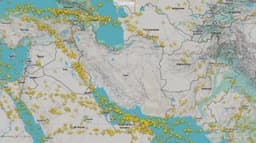
icon for イランの完全な領空閉鎖は... ?

イランの完全な領空閉鎖は... ?

icon for イランの完全な領空閉鎖は... ?

イランの完全な領空閉鎖は... ?

新規

$38,740 Vol.

2026/06/30
Polymarket

$38,740 Vol.

Polymarket

6月30日

$33,740 Vol.

8%

7月15日

$3,388 Vol.

15%

7月31日

$2,004 Vol.

24%

8月31日

$202 Vol.

62%

This market will resolve to “Yes” if Iran initiates a general closure of its airspace, that is not solely due to weather conditions, between market creation and the specified date, 11:59 PM ET. Otherwise, this market will resolve to “No”. A “general closure” refers to a cancellation or suspension of aviation which is generally applicable to all commercial flights transiting Iranian airspace (“Tehran FIR”). A qualifying closure must apply generally to all of Iran or the Tehran FIR; limited cancellations, delays, or partial closures will not qualify. A closure which applies generally to commercial aviation across Iranian airspace, with limited exceptions for certain categories of flights, however, will qualify (e.g. exceptions for certain flights pre-approved by the Iranian Civil Aviation Authority may be permitted). Qualifying previous examples include the February 28, 2026 total closure of Iranian airspace (https://www.iranintl.com/en/202602289115) and the January 2026 total closure of Iranian airspace except to international flights with express governmental permission (https://www.reuters.com/world/middle-east/iran-shuts-airspace-most-flights-flightradar24-says-2026-01-14/). Non-qualifying examples include the January 27, 2026 partial closure of Iranian airspace around the Strait of Hormuz (https://www.aa.com.tr/en/middle-east/iran-issues-airspace-notice-for-military-drills-near-strait-of-hormuz/3812508), the April 2024 closure of Iran’s western airspace (https://www.reuters.com/world/middle-east/iranian-airports-cancel-flights-until-monday-morning-2024-04-14/), and the January 25 - April 25, 2026 VFR (Visual Flight Rules) flights suspension which did not broadly close commercial aviation in Iran (https://www.intellinews.com/iran-suspends-general-aviation-and-vfr-flights-in-new-airspace-directive-421997/). Warnings, No-Fly-Zones, or other flight restrictions imposed by airlines or countries other than Iran will not be sufficient for a “Yes” resolution. Airspace closures which occur solely due to weather conditions, earthquakes, or volcanic eruptions, will not qualify. The primary resolution sources for this market will be official information from Iranian aviation authorities and a consensus of credible reporting.Recent US and Israeli strikes on Iranian military targets in March 2026 prompted a full closure of the Tehran Flight Information Region, followed by Iranian missile and drone responses that sustained regional tensions. Partial reopenings began in April and advanced in phases through June, with the eastern sector allowing limited overflights while the western portion stayed restricted amid a US-Iran agreement that includes IAEA access steps. Trader sentiment reflects ongoing diplomatic implementation risks, potential for renewed escalation tied to nuclear site disputes or proxy activities, and scheduled milestones in the coming weeks that could trigger renewed restrictions or further easing of airspace controls.

This market will resolve to “Yes” if Iran initiates a general closure of its airspace, that is not solely due to weather conditions, between market creation and the specified date, 11:59 PM ET. Otherwise, this market will resolve to “No”.

A “general closure” refers to a cancellation or suspension of aviation which is generally applicable to all commercial flights transiting Iranian airspace (“Tehran FIR”). A qualifying closure must apply generally to all of Iran or the Tehran FIR; limited cancellations, delays, or partial closures will not qualify. A closure which applies generally to commercial aviation across Iranian airspace, with limited exceptions for certain categories of flights, however, will qualify (e.g. exceptions for certain flights pre-approved by the Iranian Civil Aviation Authority may be permitted).

Qualifying previous examples include the February 28, 2026 total closure of Iranian airspace (https://www.iranintl.com/en/202602289115) and the January 2026 total closure of Iranian airspace except to international flights with express governmental permission (https://www.reuters.com/world/middle-east/iran-shuts-airspace-most-flights-flightradar24-says-2026-01-14/). Non-qualifying examples include the January 27, 2026 partial closure of Iranian airspace around the Strait of Hormuz (https://www.aa.com.tr/en/middle-east/iran-issues-airspace-notice-for-military-drills-near-strait-of-hormuz/3812508), the April 2024 closure of Iran’s western airspace (https://www.reuters.com/world/middle-east/iranian-airports-cancel-flights-until-monday-morning-2024-04-14/), and the January 25 - April 25, 2026 VFR (Visual Flight Rules) flights suspension which did not broadly close commercial aviation in Iran (https://www.intellinews.com/iran-suspends-general-aviation-and-vfr-flights-in-new-airspace-directive-421997/).

Warnings, No-Fly-Zones, or other flight restrictions imposed by airlines or countries other than Iran will not be sufficient for a “Yes” resolution.

Airspace closures which occur solely due to weather conditions, earthquakes, or volcanic eruptions, will not qualify.

The primary resolution sources for this market will be official information from Iranian aviation authorities and a consensus of credible reporting.
音量
$38,740
終了日
2026/08/31
マーケット開始日
Jun 25, 2026, 7:21 PM ET
This market will resolve to “Yes” if Iran initiates a general closure of its airspace, that is not solely due to weather conditions, between market creation and the specified date, 11:59 PM ET. Otherwise, this market will resolve to “No”. A “general closure” refers to a cancellation or suspension of aviation which is generally applicable to all commercial flights transiting Iranian airspace (“Tehran FIR”). A qualifying closure must apply generally to all of Iran or the Tehran FIR; limited cancellations, delays, or partial closures will not qualify. A closure which applies generally to commercial aviation across Iranian airspace, with limited exceptions for certain categories of flights, however, will qualify (e.g. exceptions for certain flights pre-approved by the Iranian Civil Aviation Authority may be permitted). Qualifying previous examples include the February 28, 2026 total closure of Iranian airspace (https://www.iranintl.com/en/202602289115) and the January 2026 total closure of Iranian airspace except to international flights with express governmental permission (https://www.reuters.com/world/middle-east/iran-shuts-airspace-most-flights-flightradar24-says-2026-01-14/). Non-qualifying examples include the January 27, 2026 partial closure of Iranian airspace around the Strait of Hormuz (https://www.aa.com.tr/en/middle-east/iran-issues-airspace-notice-for-military-drills-near-strait-of-hormuz/3812508), the April 2024 closure of Iran’s western airspace (https://www.reuters.com/world/middle-east/iranian-airports-cancel-flights-until-monday-morning-2024-04-14/), and the January 25 - April 25, 2026 VFR (Visual Flight Rules) flights suspension which did not broadly close commercial aviation in Iran (https://www.intellinews.com/iran-suspends-general-aviation-and-vfr-flights-in-new-airspace-directive-421997/). Warnings, No-Fly-Zones, or other flight restrictions imposed by airlines or countries other than Iran will not be sufficient for a “Yes” resolution. Airspace closures which occur solely due to weather conditions, earthquakes, or volcanic eruptions, will not qualify. The primary resolution sources for this market will be official information from Iranian aviation authorities and a consensus of credible reporting.
This market will resolve to “Yes” if Iran initiates a general closure of its airspace, that is not solely due to weather conditions, between market creation and the specified date, 11:59 PM ET. Otherwise, this market will resolve to “No”. A “general closure” refers to a cancellation or suspension of aviation which is generally applicable to all commercial flights transiting Iranian airspace (“Tehran FIR”). A qualifying closure must apply generally to all of Iran or the Tehran FIR; limited cancellations, delays, or partial closures will not qualify. A closure which applies generally to commercial aviation across Iranian airspace, with limited exceptions for certain categories of flights, however, will qualify (e.g. exceptions for certain flights pre-approved by the Iranian Civil Aviation Authority may be permitted). Qualifying previous examples include the February 28, 2026 total closure of Iranian airspace (https://www.iranintl.com/en/202602289115) and the January 2026 total closure of Iranian airspace except to international flights with express governmental permission (https://www.reuters.com/world/middle-east/iran-shuts-airspace-most-flights-flightradar24-says-2026-01-14/). Non-qualifying examples include the January 27, 2026 partial closure of Iranian airspace around the Strait of Hormuz (https://www.aa.com.tr/en/middle-east/iran-issues-airspace-notice-for-military-drills-near-strait-of-hormuz/3812508), the April 2024 closure of Iran’s western airspace (https://www.reuters.com/world/middle-east/iranian-airports-cancel-flights-until-monday-morning-2024-04-14/), and the January 25 - April 25, 2026 VFR (Visual Flight Rules) flights suspension which did not broadly close commercial aviation in Iran (https://www.intellinews.com/iran-suspends-general-aviation-and-vfr-flights-in-new-airspace-directive-421997/). Warnings, No-Fly-Zones, or other flight restrictions imposed by airlines or countries other than Iran will not be sufficient for a “Yes” resolution. Airspace closures which occur solely due to weather conditions, earthquakes, or volcanic eruptions, will not qualify. The primary resolution sources for this market will be official information from Iranian aviation authorities and a consensus of credible reporting.Recent US and Israeli strikes on Iranian military targets in March 2026 prompted a full closure of the Tehran Flight Information Region, followed by Iranian missile and drone responses that sustained regional tensions. Partial reopenings began in April and advanced in phases through June, with the eastern sector allowing limited overflights while the western portion stayed restricted amid a US-Iran agreement that includes IAEA access steps. Trader sentiment reflects ongoing diplomatic implementation risks, potential for renewed escalation tied to nuclear site disputes or proxy activities, and scheduled milestones in the coming weeks that could trigger renewed restrictions or further easing of airspace controls.

This market will resolve to “Yes” if Iran initiates a general closure of its airspace, that is not solely due to weather conditions, between market creation and the specified date, 11:59 PM ET. Otherwise, this market will resolve to “No”.

A “general closure” refers to a cancellation or suspension of aviation which is generally applicable to all commercial flights transiting Iranian airspace (“Tehran FIR”). A qualifying closure must apply generally to all of Iran or the Tehran FIR; limited cancellations, delays, or partial closures will not qualify. A closure which applies generally to commercial aviation across Iranian airspace, with limited exceptions for certain categories of flights, however, will qualify (e.g. exceptions for certain flights pre-approved by the Iranian Civil Aviation Authority may be permitted).

Qualifying previous examples include the February 28, 2026 total closure of Iranian airspace (https://www.iranintl.com/en/202602289115) and the January 2026 total closure of Iranian airspace except to international flights with express governmental permission (https://www.reuters.com/world/middle-east/iran-shuts-airspace-most-flights-flightradar24-says-2026-01-14/). Non-qualifying examples include the January 27, 2026 partial closure of Iranian airspace around the Strait of Hormuz (https://www.aa.com.tr/en/middle-east/iran-issues-airspace-notice-for-military-drills-near-strait-of-hormuz/3812508), the April 2024 closure of Iran’s western airspace (https://www.reuters.com/world/middle-east/iranian-airports-cancel-flights-until-monday-morning-2024-04-14/), and the January 25 - April 25, 2026 VFR (Visual Flight Rules) flights suspension which did not broadly close commercial aviation in Iran (https://www.intellinews.com/iran-suspends-general-aviation-and-vfr-flights-in-new-airspace-directive-421997/).

Warnings, No-Fly-Zones, or other flight restrictions imposed by airlines or countries other than Iran will not be sufficient for a “Yes” resolution.

Airspace closures which occur solely due to weather conditions, earthquakes, or volcanic eruptions, will not qualify.

The primary resolution sources for this market will be official information from Iranian aviation authorities and a consensus of credible reporting.
音量
$38,740
終了日
2026/08/31
マーケット開始日
Jun 25, 2026, 7:21 PM ET
This market will resolve to “Yes” if Iran initiates a general closure of its airspace, that is not solely due to weather conditions, between market creation and the specified date, 11:59 PM ET. Otherwise, this market will resolve to “No”. A “general closure” refers to a cancellation or suspension of aviation which is generally applicable to all commercial flights transiting Iranian airspace (“Tehran FIR”). A qualifying closure must apply generally to all of Iran or the Tehran FIR; limited cancellations, delays, or partial closures will not qualify. A closure which applies generally to commercial aviation across Iranian airspace, with limited exceptions for certain categories of flights, however, will qualify (e.g. exceptions for certain flights pre-approved by the Iranian Civil Aviation Authority may be permitted). Qualifying previous examples include the February 28, 2026 total closure of Iranian airspace (https://www.iranintl.com/en/202602289115) and the January 2026 total closure of Iranian airspace except to international flights with express governmental permission (https://www.reuters.com/world/middle-east/iran-shuts-airspace-most-flights-flightradar24-says-2026-01-14/). Non-qualifying examples include the January 27, 2026 partial closure of Iranian airspace around the Strait of Hormuz (https://www.aa.com.tr/en/middle-east/iran-issues-airspace-notice-for-military-drills-near-strait-of-hormuz/3812508), the April 2024 closure of Iran’s western airspace (https://www.reuters.com/world/middle-east/iranian-airports-cancel-flights-until-monday-morning-2024-04-14/), and the January 25 - April 25, 2026 VFR (Visual Flight Rules) flights suspension which did not broadly close commercial aviation in Iran (https://www.intellinews.com/iran-suspends-general-aviation-and-vfr-flights-in-new-airspace-directive-421997/). Warnings, No-Fly-Zones, or other flight restrictions imposed by airlines or countries other than Iran will not be sufficient for a “Yes” resolution. Airspace closures which occur solely due to weather conditions, earthquakes, or volcanic eruptions, will not qualify. The primary resolution sources for this market will be official information from Iranian aviation authorities and a consensus of credible reporting.

外部リンクに注意してください。

よくある質問

「イランの完全な領空閉鎖は... ?」はPolymarket上の4個の結果が可能な予測市場で、トレーダーが何が起こるかに基づいてシェアを売買します。現在のリード結果は「8月31日」で62%、次いで「7月31日」が24%です。価格はコミュニティのリアルタイム確率を反映しています。例えば、62¢で取引されているシェアは、市場がその結果に62%の確率を集合的に割り当てていることを意味します。これらのオッズは継続的に変化します。正しい結果のシェアは市場決済時に各$1で引き換え可能です。

本日現在、「イランの完全な領空閉鎖は... ?」は$38.7Kの総取引量を生み出しています(Jun 25, 2026のマーケット開始以来)。この取引活動レベルはPolymarketコミュニティの強い関与を反映し、現在のオッズが幅広い市場参加者によって形成されていることを保証します。このページで直接、ライブの価格変動を追跡し、任意の結果で取引できます。

「イランの完全な領空閉鎖は... ?」で取引するには、このページに記載されている4個の利用可能な結果を閲覧します。各結果には市場の暗示確率を表す現在の価格が表示されています。ポジションを取るには、最も可能性が高いと思う結果を選び、「はい」で支持するか「いいえ」で反対するかを選択し、金額を入力して「取引」をクリックします。選んだ結果が市場決済時に正しければ、「はい」のシェアは各$1を支払います。正しくなければ$0です。決済前にいつでもシェアを売却できます。

「イランの完全な領空閉鎖は... ?」の現在のフロントランナーは「8月31日」で62%であり、市場がこの結果に62%の確率を割り当てていることを意味します。次に近い結果は「7月31日」で24%です。これらのオッズはトレーダーがシェアを売買するにつれてリアルタイムで更新されます。頻繁に確認するか、このページをブックマークしてください。

「イランの完全な領空閉鎖は... ?」の決済ルールは、各結果が勝者と宣言されるために何が起こる必要があるかを正確に定義しています。これには結果を決定するために使用される公式データソースも含まれます。このページのコメント上にある「ルール」セクションで完全な決済基準を確認できます。取引前にルールを注意深く読むことをお勧めします。