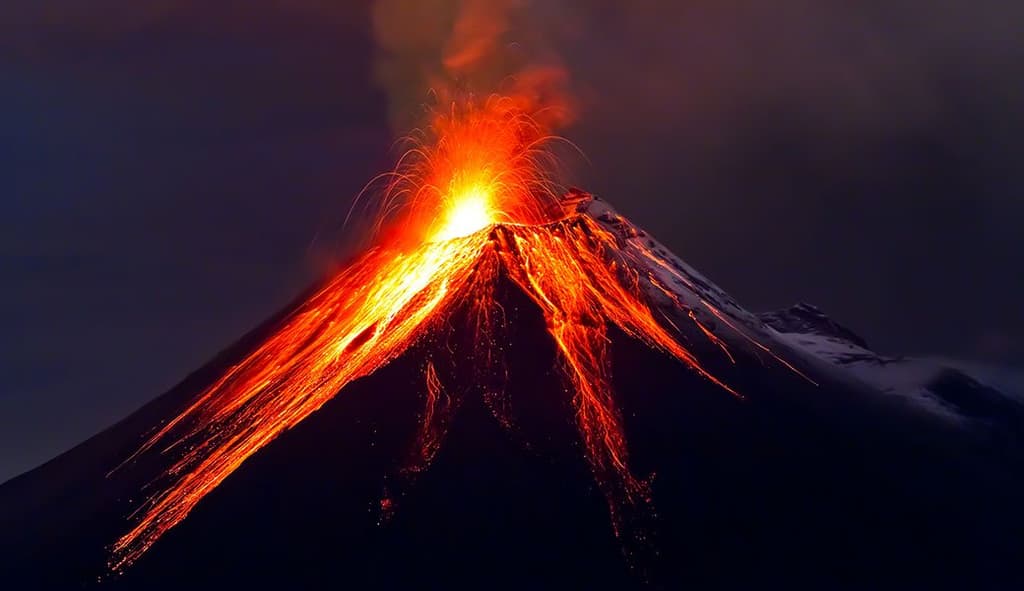
The strong market consensus on "No" for a VEI ≥6 eruption in 2026 stems from the inherent rarity of such colossal events, which typically recur every 50–100 years based on historical records, with the most recent being Pinatubo in 1991. Global volcano monitoring by agencies like the USGS and Smithsonian shows dozens of ongoing smaller eruptions but no precursors—such as rapid magma chamber inflation or seismic swarms—at systems capable of VEI 6+ output in the limited remaining months of the year. While forecasts carry uncertainty and an undetected supervolcano could theoretically escalate, current observational data and the brief time window reinforce trader conviction in the low odds.
Экспериментальная сводка, созданная ИИ на основе данных Polymarket. Это не является торговой рекомендацией и не влияет на то, как разрешается этот рынок. · ОбновленоКрупное извержение вулкана (VEI ≥6) в 2026 году?
Крупное извержение вулкана (VEI ≥6) в 2026 году?
Да
6% вероятность
$127,900 Объем
$127,900 Объем
31 мар. 2027 г.
Да
6% вероятность
$127,900 Объем
$127,900 Объем
31 мар. 2027 г.
This market will resolve to "Yes" if a natural volcanic eruption with a Volcanic Explosivity Index (VEI) of 6 or higher occurs between the market's creation and December 31, 2026, 11:59 PM ET. Otherwise, this market will resolve to “No”.
The primary resolution source will be the Smithsonian Institution Global Volcanism Program (GVP: https://volcano.si.edu/), specifically the ‘VEI 6’ figure for 2026 released on the page currently titled "Eruptions Avg 2000-2024 (N/T)" (https://volcano.si.edu/faq/index.cfm?question=eruptionsbyyear) as of March 31, 2027, 12 PM ET. Any prior updates will not be considered finalized.
If this dataset has not been updated to include all relevant events by March 31, 2027, or if the Smithsonian GVP becomes permanently unavailable, this market may resolve based on a consensus of credible scientific sources, including the U.S. Geological Survey (USGS), national or regional volcanic observatories, or credible reporting of a scientific consensus.
Note: Smithsonian Institution Global Volcanism Program databases, which include eruptions that reached the relevant threshold prior to this market’s timeframe (e.g., https://volcano.si.edu/faq/index.cfm?question=eruptionsbyyear&checkyear=2025), will not be considered.The strong market consensus on "No" for a VEI ≥6 eruption in 2026 stems from the inherent rarity of such colossal events, which typically recur every 50–100 years based on historical records, with the most recent being Pinatubo in 1991. Global volcano monitoring by agencies like the USGS and Smithsonian shows dozens of ongoing smaller eruptions but no precursors—such as rapid magma chamber inflation or seismic swarms—at systems capable of VEI 6+ output in the limited remaining months of the year. While forecasts carry uncertainty and an undetected supervolcano could theoretically escalate, current observational data and the brief time window reinforce trader conviction in the low odds.
This market will resolve to "Yes" if a natural volcanic eruption with a Volcanic Explosivity Index (VEI) of 6 or higher occurs between the market's creation and December 31, 2026, 11:59 PM ET. Otherwise, this market will resolve to “No”.
The primary resolution source will be the Smithsonian Institution Global Volcanism Program (GVP: https://volcano.si.edu/), specifically the ‘VEI 6’ figure for 2026 released on the page currently titled "Eruptions Avg 2000-2024 (N/T)" (https://volcano.si.edu/faq/index.cfm?question=eruptionsbyyear) as of March 31, 2027, 12 PM ET. Any prior updates will not be considered finalized.
If this dataset has not been updated to include all relevant events by March 31, 2027, or if the Smithsonian GVP becomes permanently unavailable, this market may resolve based on a consensus of credible scientific sources, including the U.S. Geological Survey (USGS), national or regional volcanic observatories, or credible reporting of a scientific consensus.
Note: Smithsonian Institution Global Volcanism Program databases, which include eruptions that reached the relevant threshold prior to this market’s timeframe (e.g., https://volcano.si.edu/faq/index.cfm?question=eruptionsbyyear&checkyear=2025), will not be considered.
The primary resolution source will be the Smithsonian Institution Global Volcanism Program (GVP: https://volcano.si.edu/), specifically the ‘VEI 6’ figure for 2026 released on the page currently titled "Eruptions Avg 2000-2024 (N/T)" (https://volcano.si.edu/faq/index.cfm?question=eruptionsbyyear) as of March 31, 2027, 12 PM ET. Any prior updates will not be considered finalized.
If this dataset has not been updated to include all relevant events by March 31, 2027, or if the Smithsonian GVP becomes permanently unavailable, this market may resolve based on a consensus of credible scientific sources, including the U.S. Geological Survey (USGS), national or regional volcanic observatories, or credible reporting of a scientific consensus.
Note: Smithsonian Institution Global Volcanism Program databases, which include eruptions that reached the relevant threshold prior to this market’s timeframe (e.g., https://volcano.si.edu/faq/index.cfm?question=eruptionsbyyear&checkyear=2025), will not be considered.
Открытие рынка: Dec 29, 2025, 6:24 PM ET
Объем
$127,900Дата окончания
31 мар. 2027 г.Открытие рынка
Dec 29, 2025, 6:24 PM ETResolver
0x65070BE91...This market will resolve to "Yes" if a natural volcanic eruption with a Volcanic Explosivity Index (VEI) of 6 or higher occurs between the market's creation and December 31, 2026, 11:59 PM ET. Otherwise, this market will resolve to “No”.
The primary resolution source will be the Smithsonian Institution Global Volcanism Program (GVP: https://volcano.si.edu/), specifically the ‘VEI 6’ figure for 2026 released on the page currently titled "Eruptions Avg 2000-2024 (N/T)" (https://volcano.si.edu/faq/index.cfm?question=eruptionsbyyear) as of March 31, 2027, 12 PM ET. Any prior updates will not be considered finalized.
If this dataset has not been updated to include all relevant events by March 31, 2027, or if the Smithsonian GVP becomes permanently unavailable, this market may resolve based on a consensus of credible scientific sources, including the U.S. Geological Survey (USGS), national or regional volcanic observatories, or credible reporting of a scientific consensus.
Note: Smithsonian Institution Global Volcanism Program databases, which include eruptions that reached the relevant threshold prior to this market’s timeframe (e.g., https://volcano.si.edu/faq/index.cfm?question=eruptionsbyyear&checkyear=2025), will not be considered.The strong market consensus on "No" for a VEI ≥6 eruption in 2026 stems from the inherent rarity of such colossal events, which typically recur every 50–100 years based on historical records, with the most recent being Pinatubo in 1991. Global volcano monitoring by agencies like the USGS and Smithsonian shows dozens of ongoing smaller eruptions but no precursors—such as rapid magma chamber inflation or seismic swarms—at systems capable of VEI 6+ output in the limited remaining months of the year. While forecasts carry uncertainty and an undetected supervolcano could theoretically escalate, current observational data and the brief time window reinforce trader conviction in the low odds.
This market will resolve to "Yes" if a natural volcanic eruption with a Volcanic Explosivity Index (VEI) of 6 or higher occurs between the market's creation and December 31, 2026, 11:59 PM ET. Otherwise, this market will resolve to “No”.
The primary resolution source will be the Smithsonian Institution Global Volcanism Program (GVP: https://volcano.si.edu/), specifically the ‘VEI 6’ figure for 2026 released on the page currently titled "Eruptions Avg 2000-2024 (N/T)" (https://volcano.si.edu/faq/index.cfm?question=eruptionsbyyear) as of March 31, 2027, 12 PM ET. Any prior updates will not be considered finalized.
If this dataset has not been updated to include all relevant events by March 31, 2027, or if the Smithsonian GVP becomes permanently unavailable, this market may resolve based on a consensus of credible scientific sources, including the U.S. Geological Survey (USGS), national or regional volcanic observatories, or credible reporting of a scientific consensus.
Note: Smithsonian Institution Global Volcanism Program databases, which include eruptions that reached the relevant threshold prior to this market’s timeframe (e.g., https://volcano.si.edu/faq/index.cfm?question=eruptionsbyyear&checkyear=2025), will not be considered.
The primary resolution source will be the Smithsonian Institution Global Volcanism Program (GVP: https://volcano.si.edu/), specifically the ‘VEI 6’ figure for 2026 released on the page currently titled "Eruptions Avg 2000-2024 (N/T)" (https://volcano.si.edu/faq/index.cfm?question=eruptionsbyyear) as of March 31, 2027, 12 PM ET. Any prior updates will not be considered finalized.
If this dataset has not been updated to include all relevant events by March 31, 2027, or if the Smithsonian GVP becomes permanently unavailable, this market may resolve based on a consensus of credible scientific sources, including the U.S. Geological Survey (USGS), national or regional volcanic observatories, or credible reporting of a scientific consensus.
Note: Smithsonian Institution Global Volcanism Program databases, which include eruptions that reached the relevant threshold prior to this market’s timeframe (e.g., https://volcano.si.edu/faq/index.cfm?question=eruptionsbyyear&checkyear=2025), will not be considered.
Объем
$127,900Дата окончания
31 мар. 2027 г.Открытие рынка
Dec 29, 2025, 6:24 PM ETResolver
0x65070BE91...The strong market consensus on "No" for a VEI ≥6 eruption in 2026 stems from the inherent rarity of such colossal events, which typically recur every 50–100 years based on historical records, with the most recent being Pinatubo in 1991. Global volcano monitoring by agencies like the USGS and Smithsonian shows dozens of ongoing smaller eruptions but no precursors—such as rapid magma chamber inflation or seismic swarms—at systems capable of VEI 6+ output in the limited remaining months of the year. While forecasts carry uncertainty and an undetected supervolcano could theoretically escalate, current observational data and the brief time window reinforce trader conviction in the low odds.
Экспериментальная сводка, созданная ИИ на основе данных Polymarket. Это не является торговой рекомендацией и не влияет на то, как разрешается этот рынок. · Обновлено

Не доверяй внешним ссылкам.
Не доверяй внешним ссылкам.
Часто задаваемые вопросы