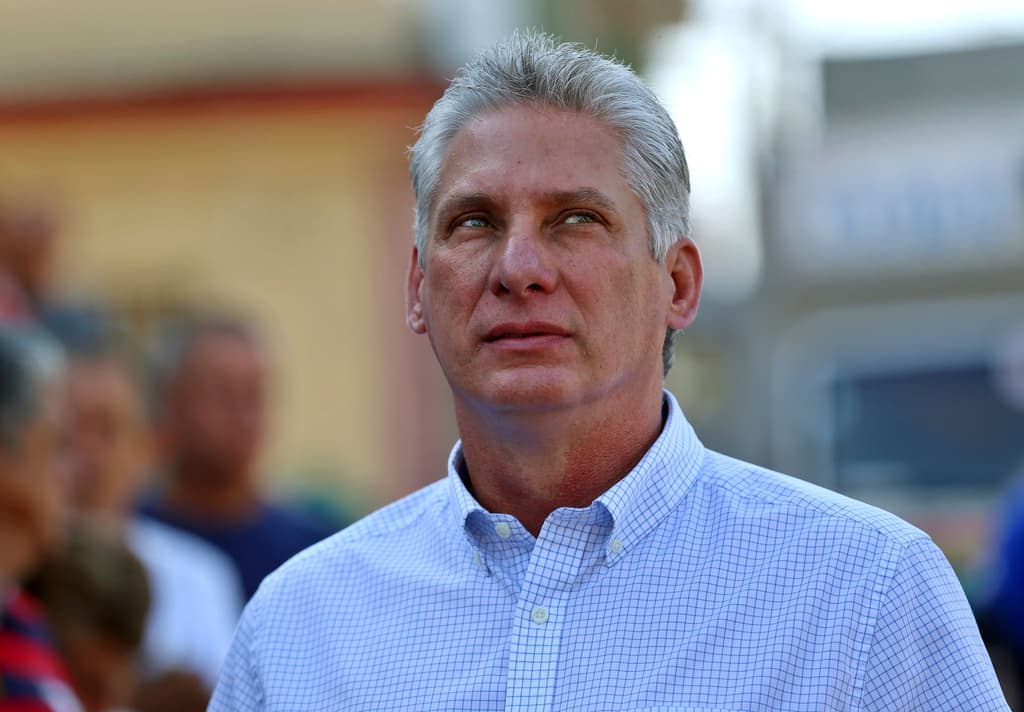
**US-Cuba relations remain marked by heightened tensions under the second Trump administration, with escalating sanctions, rhetorical confrontations, and limited diplomatic engagement shaping the backdrop for any custody-related market.** Direct sanctions targeted Miguel Díaz-Canel and close family members in June 2026, building on earlier designations and a broader maximum-pressure campaign that includes an oil-related blockade and designations tied to alleged regime actions. The US also issued an indictment against former leader Raúl Castro over a 1996 incident, which Cuban officials dismissed as symbolic. Díaz-Canel has continued public criticism of US policy while confirming early-stage talks focused on energy shortages and prisoner releases, and he has positioned Cuba as open to dialogue on bilateral issues without compromising sovereignty. Recent Venezuelan developments, including the January 2026 US-linked intervention and Maduro's removal, have fueled speculation about potential precedent, yet no verified actions have placed Díaz-Canel outside Cuba or in US jurisdiction. Ongoing deportations of Cuban nationals and routine sanctions updates underscore enforcement priorities without altering the leader's position in Havana as of mid-August 2026.
สรุปจาก AI ทดลองที่อ้างอิงข้อมูลจาก Polymarket ไม่ใช่คำแนะนำในการเทรดและไม่มีผลต่อการตัดสินตลาดนี้ · อัปเดตแล้ว$66,056 ปริมาณ
December 31
8%
$66,056 ปริมาณ
December 31
8%
Miguel Díaz-Canel will be considered taken into U.S. government custody if U.S. government personnel (including military, CIA, personnel of another agency, or contractors acting under direct U.S. government authority) physically detain, arrest, capture, or otherwise assume physical custodial control of Miguel Díaz-Canel, regardless of location or duration.
Visits, interactions with U.S. government personnel, or Miguel Díaz-Canel’s presence in U.S. spaces (including vessels, bases, facilities, or meetings) in a voluntary, non-detained capacity will not qualify. A voluntary surrender to U.S. personnel in which Miguel Díaz-Canel submits to U.S. custody, however, will qualify.
Custody that is carried out by non-U.S. entities (including allied or partner forces) will not qualify unless U.S. personnel are physically present and themselves assume custodial control of Miguel Díaz-Canel, or unless a subsequent transfer into U.S. custody occurs.
The resolution sources for this market will be official information from the U.S. government and a consensus of credible reporting.
ตลาดเปิดเมื่อ: Jun 30, 2026, 7:48 PM ET
Resolver
0x65070BE91...Miguel Díaz-Canel will be considered taken into U.S. government custody if U.S. government personnel (including military, CIA, personnel of another agency, or contractors acting under direct U.S. government authority) physically detain, arrest, capture, or otherwise assume physical custodial control of Miguel Díaz-Canel, regardless of location or duration.
Visits, interactions with U.S. government personnel, or Miguel Díaz-Canel’s presence in U.S. spaces (including vessels, bases, facilities, or meetings) in a voluntary, non-detained capacity will not qualify. A voluntary surrender to U.S. personnel in which Miguel Díaz-Canel submits to U.S. custody, however, will qualify.
Custody that is carried out by non-U.S. entities (including allied or partner forces) will not qualify unless U.S. personnel are physically present and themselves assume custodial control of Miguel Díaz-Canel, or unless a subsequent transfer into U.S. custody occurs.
The resolution sources for this market will be official information from the U.S. government and a consensus of credible reporting.
Resolver
0x65070BE91...**US-Cuba relations remain marked by heightened tensions under the second Trump administration, with escalating sanctions, rhetorical confrontations, and limited diplomatic engagement shaping the backdrop for any custody-related market.** Direct sanctions targeted Miguel Díaz-Canel and close family members in June 2026, building on earlier designations and a broader maximum-pressure campaign that includes an oil-related blockade and designations tied to alleged regime actions. The US also issued an indictment against former leader Raúl Castro over a 1996 incident, which Cuban officials dismissed as symbolic. Díaz-Canel has continued public criticism of US policy while confirming early-stage talks focused on energy shortages and prisoner releases, and he has positioned Cuba as open to dialogue on bilateral issues without compromising sovereignty. Recent Venezuelan developments, including the January 2026 US-linked intervention and Maduro's removal, have fueled speculation about potential precedent, yet no verified actions have placed Díaz-Canel outside Cuba or in US jurisdiction. Ongoing deportations of Cuban nationals and routine sanctions updates underscore enforcement priorities without altering the leader's position in Havana as of mid-August 2026.
สรุปจาก AI ทดลองที่อ้างอิงข้อมูลจาก Polymarket ไม่ใช่คำแนะนำในการเทรดและไม่มีผลต่อการตัดสินตลาดนี้ · อัปเดตแล้ว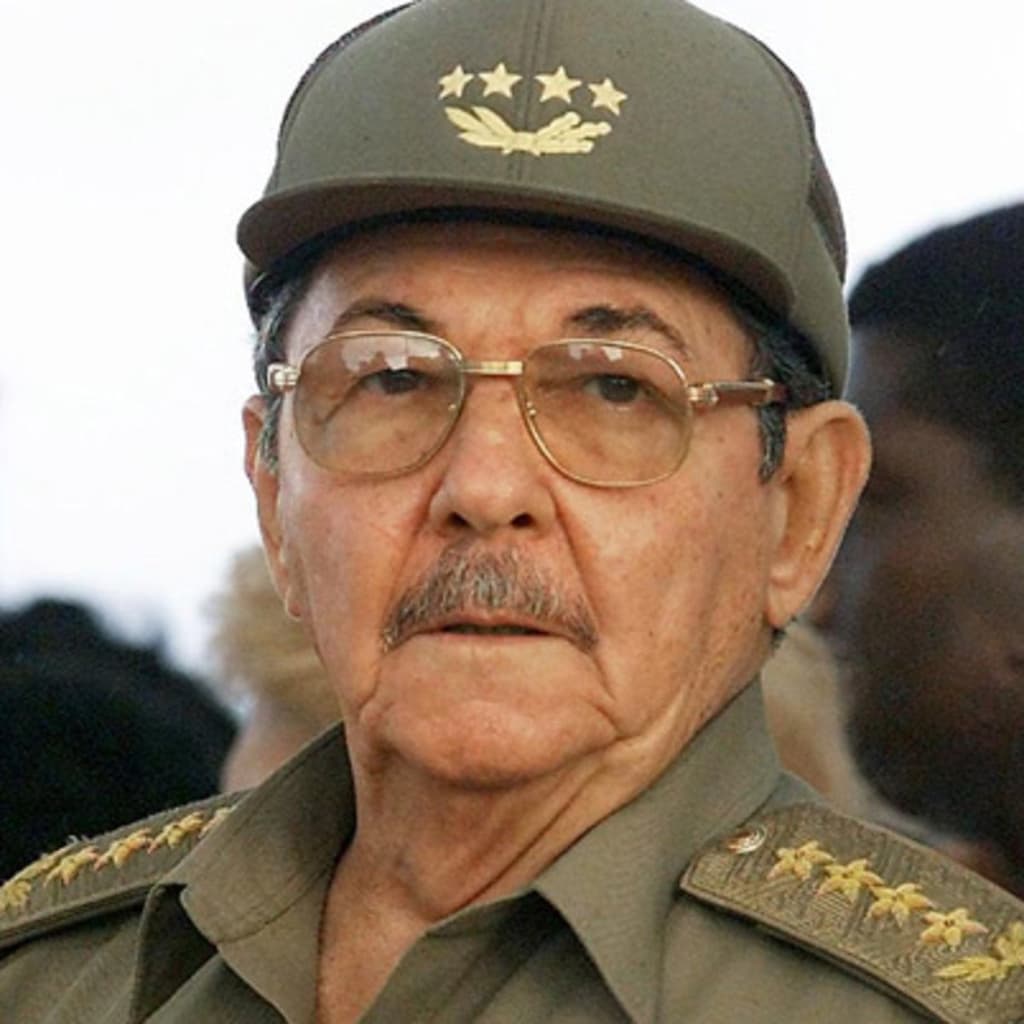


ระวังลิงก์ภายนอก
ระวังลิงก์ภายนอก
คำถามที่พบบ่อย