icon for ¿Cierre total del espacio aéreo de Irán por...?

¿Cierre total del espacio aéreo de Irán por...?

icon for ¿Cierre total del espacio aéreo de Irán por...?

¿Cierre total del espacio aéreo de Irán por...?

$8,388,149 Vol.

30 sep 2026
Polymarket

$8,388,149 Vol.

Polymarket

31 de agosto

$1,225,659 Vol.

6%

30 de septiembre

$128,238 Vol.

15%

31 de diciembre

$123,504 Vol.

30%

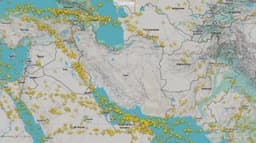
This market will resolve to “Yes” if Iran initiates a general closure of its airspace, that is not solely due to weather conditions, between market creation and the specified date, 11:59 PM ET. Otherwise, this market will resolve to “No”. A “general closure” refers to a cancellation or suspension of aviation which is generally applicable to all commercial flights transiting Iranian airspace (“Tehran FIR”). A qualifying closure must apply generally to all of Iran or the Tehran FIR; limited cancellations, delays, or partial closures will not qualify. A closure which applies generally to commercial aviation across Iranian airspace, with limited exceptions for certain categories of flights, however, will qualify (e.g. exceptions for certain flights pre-approved by the Iranian Civil Aviation Authority may be permitted). Qualifying previous examples include the February 28, 2026 total closure of Iranian airspace (https://www.iranintl.com/en/202602289115) and the January 2026 total closure of Iranian airspace except to international flights with express governmental permission (https://www.reuters.com/world/middle-east/iran-shuts-airspace-most-flights-flightradar24-says-2026-01-14/). Non-qualifying examples include the January 27, 2026 partial closure of Iranian airspace around the Strait of Hormuz (https://www.aa.com.tr/en/middle-east/iran-issues-airspace-notice-for-military-drills-near-strait-of-hormuz/3812508), the April 2024 closure of Iran’s western airspace (https://www.reuters.com/world/middle-east/iranian-airports-cancel-flights-until-monday-morning-2024-04-14/), and the January 25 - April 25, 2026 VFR (Visual Flight Rules) flights suspension which did not broadly close commercial aviation in Iran (https://www.intellinews.com/iran-suspends-general-aviation-and-vfr-flights-in-new-airspace-directive-421997/). Warnings, No-Fly-Zones, or other flight restrictions imposed by airlines or countries other than Iran will not be sufficient for a “Yes” resolution. Airspace closures which occur solely due to weather conditions, earthquakes, or volcanic eruptions, will not qualify. The primary resolution sources for this market will be official information from Iranian aviation authorities and a consensus of credible reporting.Heightened military tensions between Iran, Israel, and the United States continue to shape airspace policy, with the Tehran Flight Information Region remaining only partially open as of mid-August 2026. Western sectors have stayed restricted since large-scale strikes and Iranian missile responses in March, while eastern overflight routes partially resumed in June amid ongoing air defense needs. Recent EASA advisories and NOTAMs reflect risks from renewed activity near the Strait of Hormuz and around major airports like Imam Khomeini. Diplomatic channels involving mediators have produced temporary pauses rather than full reopenings, and trader focus centers on whether further escalation or de-escalation before key resolution windows will trigger complete commercial suspension affecting multiple hubs.

This market will resolve to “Yes” if Iran initiates a general closure of its airspace, that is not solely due to weather conditions, between market creation and the specified date, 11:59 PM ET. Otherwise, this market will resolve to “No”.

A “general closure” refers to a cancellation or suspension of aviation which is generally applicable to all commercial flights transiting Iranian airspace (“Tehran FIR”). A qualifying closure must apply generally to all of Iran or the Tehran FIR; limited cancellations, delays, or partial closures will not qualify. A closure which applies generally to commercial aviation across Iranian airspace, with limited exceptions for certain categories of flights, however, will qualify (e.g. exceptions for certain flights pre-approved by the Iranian Civil Aviation Authority may be permitted).

Qualifying previous examples include the February 28, 2026 total closure of Iranian airspace (https://www.iranintl.com/en/202602289115) and the January 2026 total closure of Iranian airspace except to international flights with express governmental permission (https://www.reuters.com/world/middle-east/iran-shuts-airspace-most-flights-flightradar24-says-2026-01-14/). Non-qualifying examples include the January 27, 2026 partial closure of Iranian airspace around the Strait of Hormuz (https://www.aa.com.tr/en/middle-east/iran-issues-airspace-notice-for-military-drills-near-strait-of-hormuz/3812508), the April 2024 closure of Iran’s western airspace (https://www.reuters.com/world/middle-east/iranian-airports-cancel-flights-until-monday-morning-2024-04-14/), and the January 25 - April 25, 2026 VFR (Visual Flight Rules) flights suspension which did not broadly close commercial aviation in Iran (https://www.intellinews.com/iran-suspends-general-aviation-and-vfr-flights-in-new-airspace-directive-421997/).

Warnings, No-Fly-Zones, or other flight restrictions imposed by airlines or countries other than Iran will not be sufficient for a “Yes” resolution.

Airspace closures which occur solely due to weather conditions, earthquakes, or volcanic eruptions, will not qualify.

The primary resolution sources for this market will be official information from Iranian aviation authorities and a consensus of credible reporting.
Volumen
$8,388,149
Fecha de finalización
31 ago 2026
Mercado abierto
Jul 27, 2026, 1:36 PM ET
This market will resolve to “Yes” if Iran initiates a general closure of its airspace, that is not solely due to weather conditions, between market creation and the specified date, 11:59 PM ET. Otherwise, this market will resolve to “No”. A “general closure” refers to a cancellation or suspension of aviation which is generally applicable to all commercial flights transiting Iranian airspace (“Tehran FIR”). A qualifying closure must apply generally to all of Iran or the Tehran FIR; limited cancellations, delays, or partial closures will not qualify. A closure which applies generally to commercial aviation across Iranian airspace, with limited exceptions for certain categories of flights, however, will qualify (e.g. exceptions for certain flights pre-approved by the Iranian Civil Aviation Authority may be permitted). Qualifying previous examples include the February 28, 2026 total closure of Iranian airspace (https://www.iranintl.com/en/202602289115) and the January 2026 total closure of Iranian airspace except to international flights with express governmental permission (https://www.reuters.com/world/middle-east/iran-shuts-airspace-most-flights-flightradar24-says-2026-01-14/). Non-qualifying examples include the January 27, 2026 partial closure of Iranian airspace around the Strait of Hormuz (https://www.aa.com.tr/en/middle-east/iran-issues-airspace-notice-for-military-drills-near-strait-of-hormuz/3812508), the April 2024 closure of Iran’s western airspace (https://www.reuters.com/world/middle-east/iranian-airports-cancel-flights-until-monday-morning-2024-04-14/), and the January 25 - April 25, 2026 VFR (Visual Flight Rules) flights suspension which did not broadly close commercial aviation in Iran (https://www.intellinews.com/iran-suspends-general-aviation-and-vfr-flights-in-new-airspace-directive-421997/). Warnings, No-Fly-Zones, or other flight restrictions imposed by airlines or countries other than Iran will not be sufficient for a “Yes” resolution. Airspace closures which occur solely due to weather conditions, earthquakes, or volcanic eruptions, will not qualify. The primary resolution sources for this market will be official information from Iranian aviation authorities and a consensus of credible reporting.
This market will resolve to “Yes” if Iran initiates a general closure of its airspace, that is not solely due to weather conditions, between market creation and the specified date, 11:59 PM ET. Otherwise, this market will resolve to “No”. A “general closure” refers to a cancellation or suspension of aviation which is generally applicable to all commercial flights transiting Iranian airspace (“Tehran FIR”). A qualifying closure must apply generally to all of Iran or the Tehran FIR; limited cancellations, delays, or partial closures will not qualify. A closure which applies generally to commercial aviation across Iranian airspace, with limited exceptions for certain categories of flights, however, will qualify (e.g. exceptions for certain flights pre-approved by the Iranian Civil Aviation Authority may be permitted). Qualifying previous examples include the February 28, 2026 total closure of Iranian airspace (https://www.iranintl.com/en/202602289115) and the January 2026 total closure of Iranian airspace except to international flights with express governmental permission (https://www.reuters.com/world/middle-east/iran-shuts-airspace-most-flights-flightradar24-says-2026-01-14/). Non-qualifying examples include the January 27, 2026 partial closure of Iranian airspace around the Strait of Hormuz (https://www.aa.com.tr/en/middle-east/iran-issues-airspace-notice-for-military-drills-near-strait-of-hormuz/3812508), the April 2024 closure of Iran’s western airspace (https://www.reuters.com/world/middle-east/iranian-airports-cancel-flights-until-monday-morning-2024-04-14/), and the January 25 - April 25, 2026 VFR (Visual Flight Rules) flights suspension which did not broadly close commercial aviation in Iran (https://www.intellinews.com/iran-suspends-general-aviation-and-vfr-flights-in-new-airspace-directive-421997/). Warnings, No-Fly-Zones, or other flight restrictions imposed by airlines or countries other than Iran will not be sufficient for a “Yes” resolution. Airspace closures which occur solely due to weather conditions, earthquakes, or volcanic eruptions, will not qualify. The primary resolution sources for this market will be official information from Iranian aviation authorities and a consensus of credible reporting.Heightened military tensions between Iran, Israel, and the United States continue to shape airspace policy, with the Tehran Flight Information Region remaining only partially open as of mid-August 2026. Western sectors have stayed restricted since large-scale strikes and Iranian missile responses in March, while eastern overflight routes partially resumed in June amid ongoing air defense needs. Recent EASA advisories and NOTAMs reflect risks from renewed activity near the Strait of Hormuz and around major airports like Imam Khomeini. Diplomatic channels involving mediators have produced temporary pauses rather than full reopenings, and trader focus centers on whether further escalation or de-escalation before key resolution windows will trigger complete commercial suspension affecting multiple hubs.

This market will resolve to “Yes” if Iran initiates a general closure of its airspace, that is not solely due to weather conditions, between market creation and the specified date, 11:59 PM ET. Otherwise, this market will resolve to “No”.

A “general closure” refers to a cancellation or suspension of aviation which is generally applicable to all commercial flights transiting Iranian airspace (“Tehran FIR”). A qualifying closure must apply generally to all of Iran or the Tehran FIR; limited cancellations, delays, or partial closures will not qualify. A closure which applies generally to commercial aviation across Iranian airspace, with limited exceptions for certain categories of flights, however, will qualify (e.g. exceptions for certain flights pre-approved by the Iranian Civil Aviation Authority may be permitted).

Qualifying previous examples include the February 28, 2026 total closure of Iranian airspace (https://www.iranintl.com/en/202602289115) and the January 2026 total closure of Iranian airspace except to international flights with express governmental permission (https://www.reuters.com/world/middle-east/iran-shuts-airspace-most-flights-flightradar24-says-2026-01-14/). Non-qualifying examples include the January 27, 2026 partial closure of Iranian airspace around the Strait of Hormuz (https://www.aa.com.tr/en/middle-east/iran-issues-airspace-notice-for-military-drills-near-strait-of-hormuz/3812508), the April 2024 closure of Iran’s western airspace (https://www.reuters.com/world/middle-east/iranian-airports-cancel-flights-until-monday-morning-2024-04-14/), and the January 25 - April 25, 2026 VFR (Visual Flight Rules) flights suspension which did not broadly close commercial aviation in Iran (https://www.intellinews.com/iran-suspends-general-aviation-and-vfr-flights-in-new-airspace-directive-421997/).

Warnings, No-Fly-Zones, or other flight restrictions imposed by airlines or countries other than Iran will not be sufficient for a “Yes” resolution.

Airspace closures which occur solely due to weather conditions, earthquakes, or volcanic eruptions, will not qualify.

The primary resolution sources for this market will be official information from Iranian aviation authorities and a consensus of credible reporting.
Volumen
$8,388,149
Fecha de finalización
31 ago 2026
Mercado abierto
Jul 27, 2026, 1:36 PM ET
This market will resolve to “Yes” if Iran initiates a general closure of its airspace, that is not solely due to weather conditions, between market creation and the specified date, 11:59 PM ET. Otherwise, this market will resolve to “No”. A “general closure” refers to a cancellation or suspension of aviation which is generally applicable to all commercial flights transiting Iranian airspace (“Tehran FIR”). A qualifying closure must apply generally to all of Iran or the Tehran FIR; limited cancellations, delays, or partial closures will not qualify. A closure which applies generally to commercial aviation across Iranian airspace, with limited exceptions for certain categories of flights, however, will qualify (e.g. exceptions for certain flights pre-approved by the Iranian Civil Aviation Authority may be permitted). Qualifying previous examples include the February 28, 2026 total closure of Iranian airspace (https://www.iranintl.com/en/202602289115) and the January 2026 total closure of Iranian airspace except to international flights with express governmental permission (https://www.reuters.com/world/middle-east/iran-shuts-airspace-most-flights-flightradar24-says-2026-01-14/). Non-qualifying examples include the January 27, 2026 partial closure of Iranian airspace around the Strait of Hormuz (https://www.aa.com.tr/en/middle-east/iran-issues-airspace-notice-for-military-drills-near-strait-of-hormuz/3812508), the April 2024 closure of Iran’s western airspace (https://www.reuters.com/world/middle-east/iranian-airports-cancel-flights-until-monday-morning-2024-04-14/), and the January 25 - April 25, 2026 VFR (Visual Flight Rules) flights suspension which did not broadly close commercial aviation in Iran (https://www.intellinews.com/iran-suspends-general-aviation-and-vfr-flights-in-new-airspace-directive-421997/). Warnings, No-Fly-Zones, or other flight restrictions imposed by airlines or countries other than Iran will not be sufficient for a “Yes” resolution. Airspace closures which occur solely due to weather conditions, earthquakes, or volcanic eruptions, will not qualify. The primary resolution sources for this market will be official information from Iranian aviation authorities and a consensus of credible reporting.

Cuidado con los enlaces externos.

Preguntas frecuentes

"¿Cierre total del espacio aéreo de Irán por...?" es un mercado de predicción en Polymarket con 10 resultados posibles donde los operadores compran y venden acciones según lo que creen que sucederá. El resultado líder actual es "31 de diciembre" con 30%, seguido de "30 de septiembre" con 14%. Los precios reflejan probabilidades en tiempo real de la comunidad. Por ejemplo, una acción cotizada a 30¢ implica que el mercado colectivamente asigna una probabilidad de 30% a ese resultado. Estas probabilidades cambian continuamente a medida que los operadores reaccionan a nuevos desarrollos. Las acciones del resultado correcto son canjeables por $1 cada una tras la resolución del mercado.

A día de hoy, "¿Cierre total del espacio aéreo de Irán por...?" ha generado $8.4 million en volumen total de trading desde que el mercado se lanzó el Jun 25, 2026. Este nivel de actividad refleja un fuerte compromiso de la comunidad de Polymarket y ayuda a garantizar que las probabilidades actuales estén respaldadas por un amplio grupo de participantes del mercado. Puedes seguir los movimientos de precios en vivo y operar en cualquier resultado directamente en esta página.

Para operar en "¿Cierre total del espacio aéreo de Irán por...?", explora los 10 resultados disponibles en esta página. Cada resultado muestra un precio actual que representa la probabilidad implícita del mercado. Para tomar una posición, selecciona el resultado que consideres más probable, elige "Sí" para operar a favor o "No" para operar en contra, introduce tu cantidad y haz clic en "Operar". Si tu resultado elegido es correcto cuando el mercado se resuelve, tus acciones de "Sí" pagan $1 cada una. Si es incorrecto, pagan $0. También puedes vender tus acciones en cualquier momento antes de la resolución.

El favorito actual para "¿Cierre total del espacio aéreo de Irán por...?" es "31 de diciembre" con 30%, lo que significa que el mercado asigna una probabilidad de 30% a ese resultado. El siguiente resultado más cercano es "30 de septiembre" con 14%. Estas probabilidades se actualizan en tiempo real a medida que los operadores compran y venden acciones. Vuelve con frecuencia o guarda esta página en marcadores.

Las reglas de resolución para "¿Cierre total del espacio aéreo de Irán por...?" definen exactamente qué debe ocurrir para que cada resultado sea declarado ganador, incluyendo las fuentes de datos oficiales utilizadas para determinar el resultado. Puedes revisar los criterios de resolución completos en la sección "Reglas" en esta página sobre los comentarios. Recomendamos leer las reglas cuidadosamente antes de operar, ya que especifican las condiciones exactas, casos especiales y fuentes.