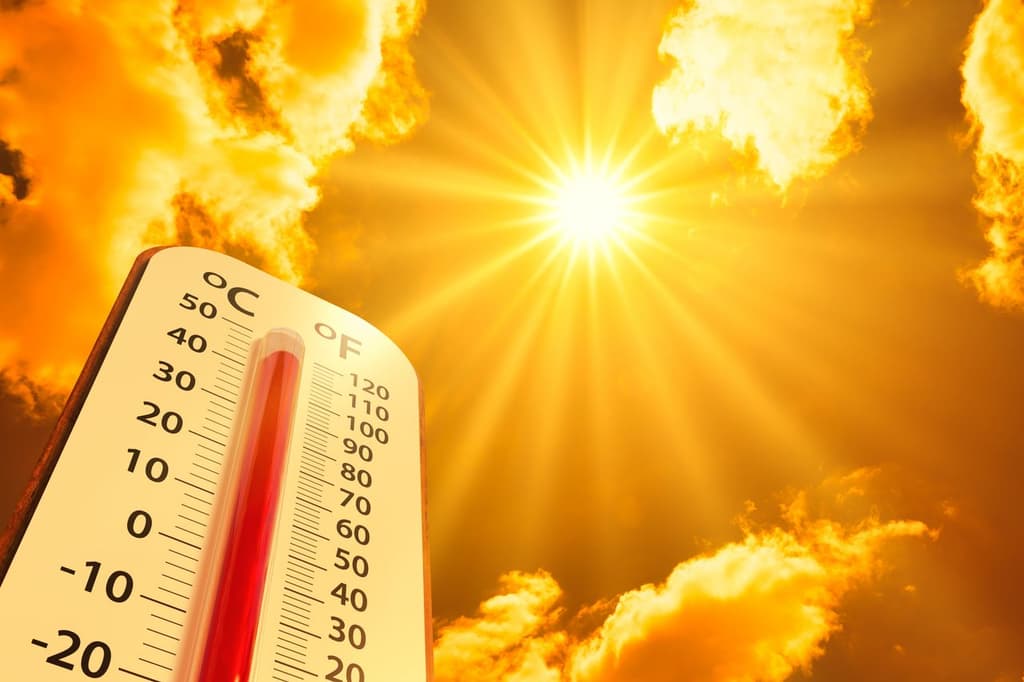
A developing strong El Niño, confirmed by NOAA’s June 2026 advisory with conditions already present and a 63% chance of reaching very strong intensity by winter 2026-27, stands as the dominant near-term driver elevating trader expectations for July 2026 global temperatures. This event follows the 2023-2024 peak and builds on a multi-year warming trend that kept 2025 near 1.19°C above the 1951-1980 baseline. El Niño’s influence on global mean surface temperatures typically strengthens through boreal summer via enhanced equatorial Pacific heat release, pushing seasonal anomalies higher while model ensembles from WMO and IRI project widespread above-normal temperatures for June-August 2026. Market-implied odds cluster around 1.15-1.19°C, reflecting this combination of background warming plus El Niño amplification, though uncertainty remains in exact July timing and magnitude given natural variability and model spread.
Polymarket डेटा का संदर्भ देने वाला प्रयोगात्मक AI-जनरेटेड सारांश। यह ट्रेडिंग सलाह नहीं है और इस बाज़ार के समाधान में कोई भूमिका नहीं निभाता। · अपडेट किया गयाजुलाई 2026 तापमान में वृद्धि (ºC)
जुलाई 2026 तापमान में वृद्धि (ºC)
1.20–1.24ºC 68%
1.15–1.19ºC 16.8%
1.25–1.29ºC 3.0%
<1.10ºC 1.1%
$51,286 वॉल्यूम
$51,286 वॉल्यूम
<1.10ºC
1%
1.10–1.14ºC
<1%
1.15–1.19ºC
17%
1.20–1.24ºC
68%
1.25–1.29ºC
3%
>1.29ºC
1%
1.20–1.24ºC 68%
1.15–1.19ºC 16.8%
1.25–1.29ºC 3.0%
<1.10ºC 1.1%
$51,286 वॉल्यूम
$51,286 वॉल्यूम
<1.10ºC
1%
1.10–1.14ºC
<1%
1.15–1.19ºC
17%
1.20–1.24ºC
68%
1.25–1.29ºC
3%
>1.29ºC
1%
An anomaly within a named bracket for July 2026 is necessary and sufficient to resolve this market immediately once the data becomes available, regardless of whether the figure for July 2026 is later revised.
The primary resolution source for this market will be the figure found in the table titled "GLOBAL Land-Ocean Temperature Index in 0.01 degrees Celsius" under the column "Jul" in the row "2026" (https://data.giss.nasa.gov/gistemp/tabledata_v4/GLB.Ts+dSST.txt).
If NASA’s “Global Temperature Index” is rendered permanently unavailable, other information from NASA may be used.
If no information for July 2026 is provided by NASA by September 1, 2026, 11:59 PM ET, this market will resolve to the lowest range bracket.
बाज़ार खुला: Jun 9, 2026, 1:11 PM ET
Resolver
0x69c47De9D...An anomaly within a named bracket for July 2026 is necessary and sufficient to resolve this market immediately once the data becomes available, regardless of whether the figure for July 2026 is later revised.
The primary resolution source for this market will be the figure found in the table titled "GLOBAL Land-Ocean Temperature Index in 0.01 degrees Celsius" under the column "Jul" in the row "2026" (https://data.giss.nasa.gov/gistemp/tabledata_v4/GLB.Ts+dSST.txt).
If NASA’s “Global Temperature Index” is rendered permanently unavailable, other information from NASA may be used.
If no information for July 2026 is provided by NASA by September 1, 2026, 11:59 PM ET, this market will resolve to the lowest range bracket.
Resolver
0x69c47De9D...A developing strong El Niño, confirmed by NOAA’s June 2026 advisory with conditions already present and a 63% chance of reaching very strong intensity by winter 2026-27, stands as the dominant near-term driver elevating trader expectations for July 2026 global temperatures. This event follows the 2023-2024 peak and builds on a multi-year warming trend that kept 2025 near 1.19°C above the 1951-1980 baseline. El Niño’s influence on global mean surface temperatures typically strengthens through boreal summer via enhanced equatorial Pacific heat release, pushing seasonal anomalies higher while model ensembles from WMO and IRI project widespread above-normal temperatures for June-August 2026. Market-implied odds cluster around 1.15-1.19°C, reflecting this combination of background warming plus El Niño amplification, though uncertainty remains in exact July timing and magnitude given natural variability and model spread.
Polymarket डेटा का संदर्भ देने वाला प्रयोगात्मक AI-जनरेटेड सारांश। यह ट्रेडिंग सलाह नहीं है और इस बाज़ार के समाधान में कोई भूमिका नहीं निभाता। · अपडेट किया गया

बाहरी लिंक से सावधान रहें।
बाहरी लिंक से सावधान रहें।
अक्सर पूछे जाने वाले प्रश्न