
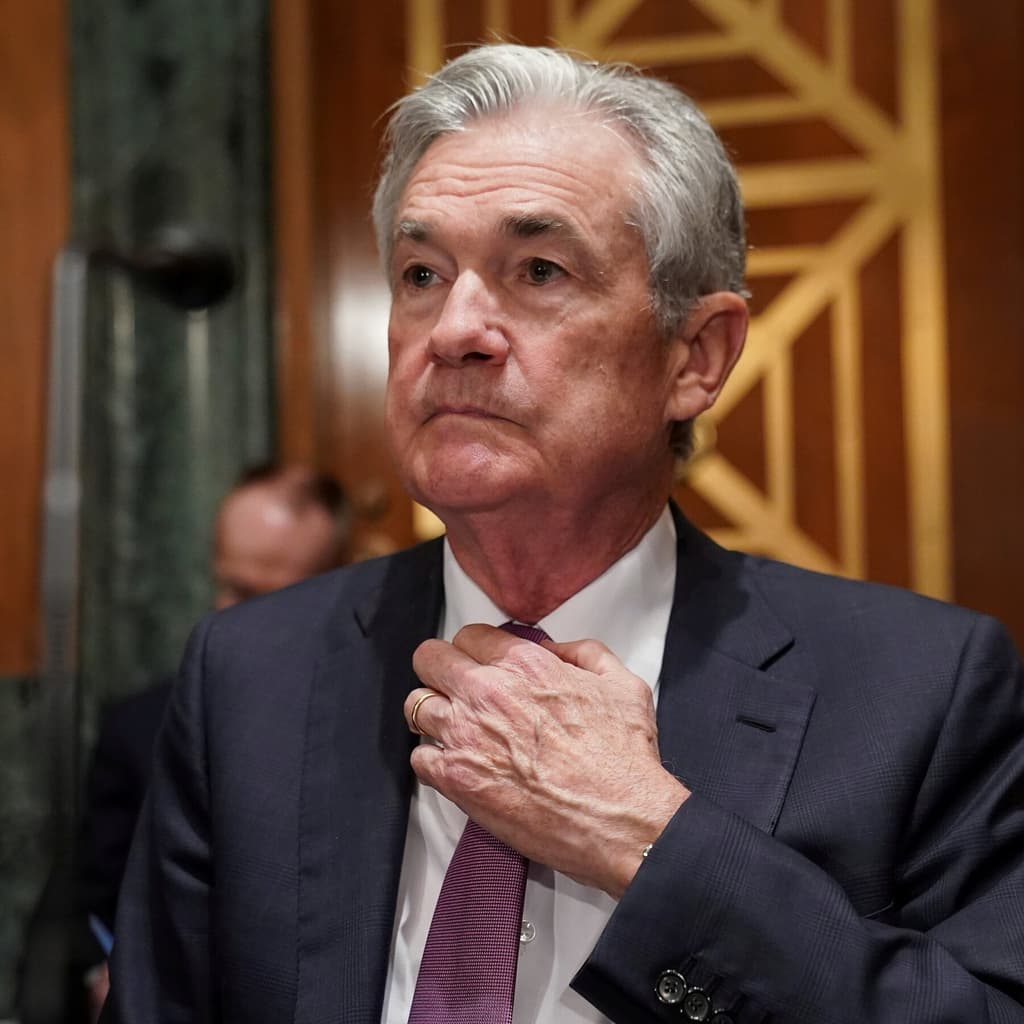
The Federal Reserve's September 16, 2026, decision to raise the federal funds target range by 25 basis points to 3.75%-4.00%—its first hike since 2023—reflects persistent inflation pressures, with the latest PCE readings near 3.4% and energy prices elevated amid geopolitical tensions. Policymakers' updated dot plot showed 16 of 18 officials projecting at least one additional increase by year-end, shifting market-implied odds toward further tightening rather than cuts. Resilient economic growth, solid job gains, and a stable unemployment rate have reinforced the hawkish stance under Chair Warsh, with Treasury yields rising in response. Traders now focus on October and December FOMC meetings plus incoming CPI and employment data for signals on whether the hiking cycle extends into 2027 or pauses.
Ringkasan eksperimental yang dihasilkan AI dengan referensi data Polymarket. Ini bukan saran trading dan tidak berperan dalam bagaimana pasar ini diselesaikan. · DiperbaruiStrong economic data and Fed hike reduce odds of January 2027 rate cut
January 2027 Meeting plunges to 11%39%
The combination of the Fed's September hike and robust economic indicators led to a steep decline in market pricing for a rate cut at the January 2027 meeting, with contract prices falling from 50% to 11%. This reflects a market consensus that cuts in early 2027 are unlikely.
Markets react to Fed rate hike with sharp decline in rate cut probabilities
December 2026 Meeting dips to 3%4%
Following the September 16 rate hike, market prices for rate cuts at the December 2026 and subsequent meetings dropped sharply, reflecting diminished expectations for easing in the near term. This was evident in the December 2026 meeting contract price falling from 7% to 3% and similar declines in other meetings.

Hati-hati dengan link eksternal.
Hati-hati dengan link eksternal.
Pertanyaan yang Sering Diajukan