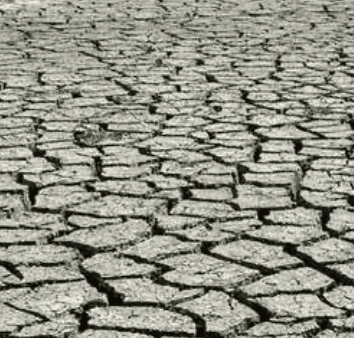
**A strengthening El Niño event, now forecast with >90% probability of becoming very strong through fall and winter 2026–27, is the dominant near-term driver shaping USDM D4 probabilities for early September.** Current conditions as of late August show D4 (the most severe category, typically <2nd percentile of historical moisture) limited primarily to portions of Idaho and scattered western and southern Plains/Rockies sites, with overall D1–D4 coverage near 47–48% of the contiguous US but D4 area only ~1.5–1.8%. NOAA’s September 2026 outlook favors above-normal precipitation across much of the western CONUS and southern tier due to El Niño composites and monsoon influences, supporting potential localized improvement or removal in the Southwest, while above-normal temperatures and drier signals favor persistence or modest expansion in the Pacific Northwest. These dynamics create tight differentiation among the closely matched leading outcomes (10+ states at 44.5%, 5–6 or 7–9 states at 38%), as D4 boundaries depend on precise precipitation deficits, soil moisture recovery, and USDM author delineation; rapid monsoon surges or frontal systems could shift state counts within days. The next USDM release and updated CPC monthly/seasonal outlooks will provide key resolution signals.
Ringkasan eksperimental yang dihasilkan AI dengan referensi data Polymarket. Ini bukan saran trading dan tidak berperan dalam bagaimana pasar ini diselesaikan. · DiperbaruiHow many states will be in D4 (Exceptional Drought) — week of September 1, 2026?
How many states will be in D4 (Exceptional Drought) — week of September 1, 2026?
10 or more states 44%
5-6 states 38%
7-9 states 38%
0 states 26%
0 states
26%
1-2 states
26%
3-4 states
26%
5-6 states
38%
7-9 states
38%
10 or more states
44%
10 or more states 44%
5-6 states 38%
7-9 states 38%
0 states 26%
0 states
26%
1-2 states
26%
3-4 states
26%
5-6 states
38%
7-9 states
38%
10 or more states
44%
Brackets: 0 / 1-2 / 3-4 / 5-6 / 7-9 / 10+. Exactly one bracket resolves "Yes".
The count ranges over all 48 coterminous states — the 48 states excluding Alaska and Hawaii. The District of Columbia and U.S. territories are not considered.
Each USDM release covers the seven-day period ending Tuesday at 8:00 AM ET and is published the following Thursday.
Resolution is based on the first published US Drought Monitor release for the listed week. Subsequent revisions will not be considered; the first published release is final.
The resolution source for this market is the US Drought Monitor at droughtmonitor.unl.edu.
Pasar Dibuka: Aug 27, 2026, 9:00 AM ET
Sumber Resolusi
https://droughtmonitor.unl.edu/DmData/DataTables.aspxResolver
0x69c47De9D...Brackets: 0 / 1-2 / 3-4 / 5-6 / 7-9 / 10+. Exactly one bracket resolves "Yes".
The count ranges over all 48 coterminous states — the 48 states excluding Alaska and Hawaii. The District of Columbia and U.S. territories are not considered.
Each USDM release covers the seven-day period ending Tuesday at 8:00 AM ET and is published the following Thursday.
Resolution is based on the first published US Drought Monitor release for the listed week. Subsequent revisions will not be considered; the first published release is final.
The resolution source for this market is the US Drought Monitor at droughtmonitor.unl.edu.
Sumber Resolusi
https://droughtmonitor.unl.edu/DmData/DataTables.aspxResolver
0x69c47De9D...**A strengthening El Niño event, now forecast with >90% probability of becoming very strong through fall and winter 2026–27, is the dominant near-term driver shaping USDM D4 probabilities for early September.** Current conditions as of late August show D4 (the most severe category, typically <2nd percentile of historical moisture) limited primarily to portions of Idaho and scattered western and southern Plains/Rockies sites, with overall D1–D4 coverage near 47–48% of the contiguous US but D4 area only ~1.5–1.8%. NOAA’s September 2026 outlook favors above-normal precipitation across much of the western CONUS and southern tier due to El Niño composites and monsoon influences, supporting potential localized improvement or removal in the Southwest, while above-normal temperatures and drier signals favor persistence or modest expansion in the Pacific Northwest. These dynamics create tight differentiation among the closely matched leading outcomes (10+ states at 44.5%, 5–6 or 7–9 states at 38%), as D4 boundaries depend on precise precipitation deficits, soil moisture recovery, and USDM author delineation; rapid monsoon surges or frontal systems could shift state counts within days. The next USDM release and updated CPC monthly/seasonal outlooks will provide key resolution signals.
Ringkasan eksperimental yang dihasilkan AI dengan referensi data Polymarket. Ini bukan saran trading dan tidak berperan dalam bagaimana pasar ini diselesaikan. · Diperbarui
Hati-hati dengan link eksternal.
Hati-hati dengan link eksternal.
Pertanyaan yang Sering Diajukan