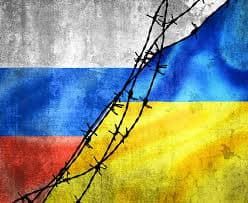
icon for Russia x Ukraine Ceasefire by...?

Russia x Ukraine Ceasefire by...?

icon for Russia x Ukraine Ceasefire by...?

Russia x Ukraine Ceasefire by...?

신규
2026.12.31
Polymarket

$967 거래량

Polymarket

May 31

$716 거래량

4%

June 30

$194 거래량

9%

October 31

$15 거래량

29%

December 31

$42 거래량

43%

This market will resolve to "Yes" if a ceasefire between Russia and Ukraine goes into effect by 11:59 PM Eastern European Time (EET) on the specified date and remains continuously in effect for at least 10 calendar days. Otherwise, this market will resolve to "No". A ceasefire refers to any mutually agreed suspension of direct military engagement between Russia and Ukraine, which is officially announced by both countries or confirmed by a consensus of credible reporting to have been mutually agreed by both countries, and which constitutes a general suspension of direct kinetic military engagement across the primary theater of the overall conflict. A broader peace deal, normalization agreement, political framework, truce, or humanitarian pause (including holiday ceasefires) will count provided they otherwise qualify under this market’s rules. Any form of informal understanding, backchannel communication, de-escalation without an announced agreement, or unilateral pause in hostilities will not be considered a ceasefire. Agreements which only apply to specific conflict categories (e.g. restrictions on certain target categories or certain locations) will not qualify. Any calendar day (EET) during which the ceasefire is in effect (including the first day of the ceasefire) will count towards the 10-day total. The required 10 day period will end at 11:59 PM EET on the 10th day (inclusive). If a qualifying ceasefire goes into effect prior to this market’s end date, this market will remain open until the ceasefire is no longer in effect, or until the 10 calendar days have been reached. A ceasefire is considered no longer in effect when a consensus of credible reporting indicates the general suspension of hostilities has substantively ended across the primary theater. Temporary or technical lapses or expiration of a formal ceasefire term, isolated incidents, localized violations, or accusations alone will not invalidate the ceasefire provided the general suspension of hostilities across the primary theater continues. Where official government statements conflict with a consensus of credible field reporting, the reporting will take precedence over the government statements. The resolution source for this market will be a consensus of credible sources. Examples of qualifying Ceasefires: April 8, 2026 US–Iran ceasefire: The United States and Iran publicly announced and implemented a mutually agreed ceasefire framework intended to broadly halt direct military hostilities between the two countries. Despite subsequent maritime confrontations, alleged violations, isolated retaliatory strikes, and disputes regarding compliance, the broader ceasefire framework continued to function and widescale fighting across the primary theater did not resume. November 27, 2024 Israel–Hezbollah ceasefire: Israel and Hezbollah implemented a broadly operative ceasefire framework brokered through international mediators that substantially reduced hostilities across southern Lebanon and northern Israel, including the effective halt of Israel’s major ground offensive into Lebanon and a significant reduction in Hezbollah rocket fire. Although the ceasefire was not formally announced through a single joint declaration by both parties and public statements differed in framing and characterization, a consensus of credible reporting confirmed the arrangement had been mutually agreed and implemented in practice. Despite continued isolated strikes, alleged violations, and disputes regarding compliance, credible reporting broadly treated the ceasefire as remaining operational and widescale fighting across the primary theater of the conflict did not resume. Examples of non qualifying Ceasefires: November 24, 2023 Israel–Hamas humanitarian pause: Although it was a mutually agreed and publicly announced broad suspension of hostilities across Gaza, the ceasefire framework remained in effect for only approximately 7 days before wide-scale fighting resumed, failing the required 10-calendar-day duration requirement. Ceasefire violations prior to November 30, would not have invalidated the ceasefire. July 22, 2022 Black Sea Grain Initiative: Although Russia and Ukraine entered into internationally brokered agreements governing grain exports and reducing risks to commercial shipping in the Black Sea, the arrangement did not constitute a general suspension of direct military engagement across the primary theater of the war. Hostilities continued across Ukraine throughout the duration of the agreement and the arrangement applied only to specific categories of activity and geographic areas. May 2023 Sudan ceasefires (SAF–RSF): Although the Sudanese Armed Forces (SAF) and Rapid Support Forces (RSF) publicly agreed to multiple internationally brokered ceasefires, a consensus of credible reporting indicated that the general suspension of hostilities across the primary theater never substantively took effect and large-scale fighting broadly continued throughout the ceasefire periods. While some temporary reductions in violence and localized humanitarian access reportedly occurred in certain areas, artillery fire, airstrikes, urban combat, troop movements, and offensive operations continued across major parts of Sudan almost immediately after implementation. Credible reporting broadly treated the ceasefires as having failed or collapsed in practice despite technically remaining in force on paper.Recent U.S.-brokered talks produced a three-day ceasefire from May 9-11 that included a planned 1,000-for-1,000 prisoner exchange, yet both sides quickly traded accusations of violations after the pause expired. Ongoing trilateral meetings in Geneva have focused on monitoring mechanisms and security guarantees, while Russian officials continue to condition any sustained halt on Ukrainian withdrawal from Donbas and other contested regions. Fresh Russian missile strikes on Kyiv and incremental advances in Donetsk have coincided with renewed Ukrainian drone activity, keeping battlefield momentum fluid. Traders are monitoring upcoming diplomatic deadlines and any follow-on proposals that could extend the recent pause into a broader agreement.

This market will resolve to "Yes" if a ceasefire between Russia and Ukraine goes into effect by 11:59 PM Eastern European Time (EET) on the specified date and remains continuously in effect for at least 10 calendar days. Otherwise, this market will resolve to "No".

A ceasefire refers to any mutually agreed suspension of direct military engagement between Russia and Ukraine, which is officially announced by both countries or confirmed by a consensus of credible reporting to have been mutually agreed by both countries, and which constitutes a general suspension of direct kinetic military engagement across the primary theater of the overall conflict. A broader peace deal, normalization agreement, political framework, truce, or humanitarian pause (including holiday ceasefires) will count provided they otherwise qualify under this market’s rules.

Any form of informal understanding, backchannel communication, de-escalation without an announced agreement, or unilateral pause in hostilities will not be considered a ceasefire. Agreements which only apply to specific conflict categories (e.g. restrictions on certain target categories or certain locations) will not qualify.

Any calendar day (EET) during which the ceasefire is in effect (including the first day of the ceasefire) will count towards the 10-day total. The required 10 day period will end at 11:59 PM EET on the 10th day (inclusive). If a qualifying ceasefire goes into effect prior to this market’s end date, this market will remain open until the ceasefire is no longer in effect, or until the 10 calendar days have been reached.

A ceasefire is considered no longer in effect when a consensus of credible reporting indicates the general suspension of hostilities has substantively ended across the primary theater. Temporary or technical lapses or expiration of a formal ceasefire term, isolated incidents, localized violations, or accusations alone will not invalidate the ceasefire provided the general suspension of hostilities across the primary theater continues. Where official government statements conflict with a consensus of credible field reporting, the reporting will take precedence over the government statements.

The resolution source for this market will be a consensus of credible sources.

Examples of qualifying Ceasefires:

April 8, 2026 US–Iran ceasefire: The United States and Iran publicly announced and implemented a mutually agreed ceasefire framework intended to broadly halt direct military hostilities between the two countries. Despite subsequent maritime confrontations, alleged violations, isolated retaliatory strikes, and disputes regarding compliance, the broader ceasefire framework continued to function and widescale fighting across the primary theater did not resume.

November 27, 2024 Israel–Hezbollah ceasefire: Israel and Hezbollah implemented a broadly operative ceasefire framework brokered through international mediators that substantially reduced hostilities across southern Lebanon and northern Israel, including the effective halt of Israel’s major ground offensive into Lebanon and a significant reduction in Hezbollah rocket fire. Although the ceasefire was not formally announced through a single joint declaration by both parties and public statements differed in framing and characterization, a consensus of credible reporting confirmed the arrangement had been mutually agreed and implemented in practice. Despite continued isolated strikes, alleged violations, and disputes regarding compliance, credible reporting broadly treated the ceasefire as remaining operational and widescale fighting across the primary theater of the conflict did not resume.

Examples of non qualifying Ceasefires:

November 24, 2023 Israel–Hamas humanitarian pause: Although it was a mutually agreed and publicly announced broad suspension of hostilities across Gaza, the ceasefire framework remained in effect for only approximately 7 days before wide-scale fighting resumed, failing the required 10-calendar-day duration requirement. Ceasefire violations prior to November 30, would not have invalidated the ceasefire.

July 22, 2022 Black Sea Grain Initiative: Although Russia and Ukraine entered into internationally brokered agreements governing grain exports and reducing risks to commercial shipping in the Black Sea, the arrangement did not constitute a general suspension of direct military engagement across the primary theater of the war. Hostilities continued across Ukraine throughout the duration of the agreement and the arrangement applied only to specific categories of activity and geographic areas.

May 2023 Sudan ceasefires (SAF–RSF): Although the Sudanese Armed Forces (SAF) and Rapid Support Forces (RSF) publicly agreed to multiple internationally brokered ceasefires, a consensus of credible reporting indicated that the general suspension of hostilities across the primary theater never substantively took effect and large-scale fighting broadly continued throughout the ceasefire periods. While some temporary reductions in violence and localized humanitarian access reportedly occurred in certain areas, artillery fire, airstrikes, urban combat, troop movements, and offensive operations continued across major parts of Sudan almost immediately after implementation. Credible reporting broadly treated the ceasefires as having failed or collapsed in practice despite technically remaining in force on paper.
거래량
$967
종료일
2026.12.31
마켓 개설일
May 15, 2026, 8:00 PM ET
This market will resolve to "Yes" if a ceasefire between Russia and Ukraine goes into effect by 11:59 PM Eastern European Time (EET) on the specified date and remains continuously in effect for at least 10 calendar days. Otherwise, this market will resolve to "No". A ceasefire refers to any mutually agreed suspension of direct military engagement between Russia and Ukraine, which is officially announced by both countries or confirmed by a consensus of credible reporting to have been mutually agreed by both countries, and which constitutes a general suspension of direct kinetic military engagement across the primary theater of the overall conflict. A broader peace deal, normalization agreement, political framework, truce, or humanitarian pause (including holiday ceasefires) will count provided they otherwise qualify under this market’s rules. Any form of informal understanding, backchannel communication, de-escalation without an announced agreement, or unilateral pause in hostilities will not be considered a ceasefire. Agreements which only apply to specific conflict categories (e.g. restrictions on certain target categories or certain locations) will not qualify. Any calendar day (EET) during which the ceasefire is in effect (including the first day of the ceasefire) will count towards the 10-day total. The required 10 day period will end at 11:59 PM EET on the 10th day (inclusive). If a qualifying ceasefire goes into effect prior to this market’s end date, this market will remain open until the ceasefire is no longer in effect, or until the 10 calendar days have been reached. A ceasefire is considered no longer in effect when a consensus of credible reporting indicates the general suspension of hostilities has substantively ended across the primary theater. Temporary or technical lapses or expiration of a formal ceasefire term, isolated incidents, localized violations, or accusations alone will not invalidate the ceasefire provided the general suspension of hostilities across the primary theater continues. Where official government statements conflict with a consensus of credible field reporting, the reporting will take precedence over the government statements. The resolution source for this market will be a consensus of credible sources. Examples of qualifying Ceasefires: April 8, 2026 US–Iran ceasefire: The United States and Iran publicly announced and implemented a mutually agreed ceasefire framework intended to broadly halt direct military hostilities between the two countries. Despite subsequent maritime confrontations, alleged violations, isolated retaliatory strikes, and disputes regarding compliance, the broader ceasefire framework continued to function and widescale fighting across the primary theater did not resume. November 27, 2024 Israel–Hezbollah ceasefire: Israel and Hezbollah implemented a broadly operative ceasefire framework brokered through international mediators that substantially reduced hostilities across southern Lebanon and northern Israel, including the effective halt of Israel’s major ground offensive into Lebanon and a significant reduction in Hezbollah rocket fire. Although the ceasefire was not formally announced through a single joint declaration by both parties and public statements differed in framing and characterization, a consensus of credible reporting confirmed the arrangement had been mutually agreed and implemented in practice. Despite continued isolated strikes, alleged violations, and disputes regarding compliance, credible reporting broadly treated the ceasefire as remaining operational and widescale fighting across the primary theater of the conflict did not resume. Examples of non qualifying Ceasefires: November 24, 2023 Israel–Hamas humanitarian pause: Although it was a mutually agreed and publicly announced broad suspension of hostilities across Gaza, the ceasefire framework remained in effect for only approximately 7 days before wide-scale fighting resumed, failing the required 10-calendar-day duration requirement. Ceasefire violations prior to November 30, would not have invalidated the ceasefire. July 22, 2022 Black Sea Grain Initiative: Although Russia and Ukraine entered into internationally brokered agreements governing grain exports and reducing risks to commercial shipping in the Black Sea, the arrangement did not constitute a general suspension of direct military engagement across the primary theater of the war. Hostilities continued across Ukraine throughout the duration of the agreement and the arrangement applied only to specific categories of activity and geographic areas. May 2023 Sudan ceasefires (SAF–RSF): Although the Sudanese Armed Forces (SAF) and Rapid Support Forces (RSF) publicly agreed to multiple internationally brokered ceasefires, a consensus of credible reporting indicated that the general suspension of hostilities across the primary theater never substantively took effect and large-scale fighting broadly continued throughout the ceasefire periods. While some temporary reductions in violence and localized humanitarian access reportedly occurred in certain areas, artillery fire, airstrikes, urban combat, troop movements, and offensive operations continued across major parts of Sudan almost immediately after implementation. Credible reporting broadly treated the ceasefires as having failed or collapsed in practice despite technically remaining in force on paper.
This market will resolve to "Yes" if a ceasefire between Russia and Ukraine goes into effect by 11:59 PM Eastern European Time (EET) on the specified date and remains continuously in effect for at least 10 calendar days. Otherwise, this market will resolve to "No". A ceasefire refers to any mutually agreed suspension of direct military engagement between Russia and Ukraine, which is officially announced by both countries or confirmed by a consensus of credible reporting to have been mutually agreed by both countries, and which constitutes a general suspension of direct kinetic military engagement across the primary theater of the overall conflict. A broader peace deal, normalization agreement, political framework, truce, or humanitarian pause (including holiday ceasefires) will count provided they otherwise qualify under this market’s rules. Any form of informal understanding, backchannel communication, de-escalation without an announced agreement, or unilateral pause in hostilities will not be considered a ceasefire. Agreements which only apply to specific conflict categories (e.g. restrictions on certain target categories or certain locations) will not qualify. Any calendar day (EET) during which the ceasefire is in effect (including the first day of the ceasefire) will count towards the 10-day total. The required 10 day period will end at 11:59 PM EET on the 10th day (inclusive). If a qualifying ceasefire goes into effect prior to this market’s end date, this market will remain open until the ceasefire is no longer in effect, or until the 10 calendar days have been reached. A ceasefire is considered no longer in effect when a consensus of credible reporting indicates the general suspension of hostilities has substantively ended across the primary theater. Temporary or technical lapses or expiration of a formal ceasefire term, isolated incidents, localized violations, or accusations alone will not invalidate the ceasefire provided the general suspension of hostilities across the primary theater continues. Where official government statements conflict with a consensus of credible field reporting, the reporting will take precedence over the government statements. The resolution source for this market will be a consensus of credible sources. Examples of qualifying Ceasefires: April 8, 2026 US–Iran ceasefire: The United States and Iran publicly announced and implemented a mutually agreed ceasefire framework intended to broadly halt direct military hostilities between the two countries. Despite subsequent maritime confrontations, alleged violations, isolated retaliatory strikes, and disputes regarding compliance, the broader ceasefire framework continued to function and widescale fighting across the primary theater did not resume. November 27, 2024 Israel–Hezbollah ceasefire: Israel and Hezbollah implemented a broadly operative ceasefire framework brokered through international mediators that substantially reduced hostilities across southern Lebanon and northern Israel, including the effective halt of Israel’s major ground offensive into Lebanon and a significant reduction in Hezbollah rocket fire. Although the ceasefire was not formally announced through a single joint declaration by both parties and public statements differed in framing and characterization, a consensus of credible reporting confirmed the arrangement had been mutually agreed and implemented in practice. Despite continued isolated strikes, alleged violations, and disputes regarding compliance, credible reporting broadly treated the ceasefire as remaining operational and widescale fighting across the primary theater of the conflict did not resume. Examples of non qualifying Ceasefires: November 24, 2023 Israel–Hamas humanitarian pause: Although it was a mutually agreed and publicly announced broad suspension of hostilities across Gaza, the ceasefire framework remained in effect for only approximately 7 days before wide-scale fighting resumed, failing the required 10-calendar-day duration requirement. Ceasefire violations prior to November 30, would not have invalidated the ceasefire. July 22, 2022 Black Sea Grain Initiative: Although Russia and Ukraine entered into internationally brokered agreements governing grain exports and reducing risks to commercial shipping in the Black Sea, the arrangement did not constitute a general suspension of direct military engagement across the primary theater of the war. Hostilities continued across Ukraine throughout the duration of the agreement and the arrangement applied only to specific categories of activity and geographic areas. May 2023 Sudan ceasefires (SAF–RSF): Although the Sudanese Armed Forces (SAF) and Rapid Support Forces (RSF) publicly agreed to multiple internationally brokered ceasefires, a consensus of credible reporting indicated that the general suspension of hostilities across the primary theater never substantively took effect and large-scale fighting broadly continued throughout the ceasefire periods. While some temporary reductions in violence and localized humanitarian access reportedly occurred in certain areas, artillery fire, airstrikes, urban combat, troop movements, and offensive operations continued across major parts of Sudan almost immediately after implementation. Credible reporting broadly treated the ceasefires as having failed or collapsed in practice despite technically remaining in force on paper.Recent U.S.-brokered talks produced a three-day ceasefire from May 9-11 that included a planned 1,000-for-1,000 prisoner exchange, yet both sides quickly traded accusations of violations after the pause expired. Ongoing trilateral meetings in Geneva have focused on monitoring mechanisms and security guarantees, while Russian officials continue to condition any sustained halt on Ukrainian withdrawal from Donbas and other contested regions. Fresh Russian missile strikes on Kyiv and incremental advances in Donetsk have coincided with renewed Ukrainian drone activity, keeping battlefield momentum fluid. Traders are monitoring upcoming diplomatic deadlines and any follow-on proposals that could extend the recent pause into a broader agreement.

This market will resolve to "Yes" if a ceasefire between Russia and Ukraine goes into effect by 11:59 PM Eastern European Time (EET) on the specified date and remains continuously in effect for at least 10 calendar days. Otherwise, this market will resolve to "No".

A ceasefire refers to any mutually agreed suspension of direct military engagement between Russia and Ukraine, which is officially announced by both countries or confirmed by a consensus of credible reporting to have been mutually agreed by both countries, and which constitutes a general suspension of direct kinetic military engagement across the primary theater of the overall conflict. A broader peace deal, normalization agreement, political framework, truce, or humanitarian pause (including holiday ceasefires) will count provided they otherwise qualify under this market’s rules.

Any form of informal understanding, backchannel communication, de-escalation without an announced agreement, or unilateral pause in hostilities will not be considered a ceasefire. Agreements which only apply to specific conflict categories (e.g. restrictions on certain target categories or certain locations) will not qualify.

Any calendar day (EET) during which the ceasefire is in effect (including the first day of the ceasefire) will count towards the 10-day total. The required 10 day period will end at 11:59 PM EET on the 10th day (inclusive). If a qualifying ceasefire goes into effect prior to this market’s end date, this market will remain open until the ceasefire is no longer in effect, or until the 10 calendar days have been reached.

A ceasefire is considered no longer in effect when a consensus of credible reporting indicates the general suspension of hostilities has substantively ended across the primary theater. Temporary or technical lapses or expiration of a formal ceasefire term, isolated incidents, localized violations, or accusations alone will not invalidate the ceasefire provided the general suspension of hostilities across the primary theater continues. Where official government statements conflict with a consensus of credible field reporting, the reporting will take precedence over the government statements.

The resolution source for this market will be a consensus of credible sources.

Examples of qualifying Ceasefires:

April 8, 2026 US–Iran ceasefire: The United States and Iran publicly announced and implemented a mutually agreed ceasefire framework intended to broadly halt direct military hostilities between the two countries. Despite subsequent maritime confrontations, alleged violations, isolated retaliatory strikes, and disputes regarding compliance, the broader ceasefire framework continued to function and widescale fighting across the primary theater did not resume.

November 27, 2024 Israel–Hezbollah ceasefire: Israel and Hezbollah implemented a broadly operative ceasefire framework brokered through international mediators that substantially reduced hostilities across southern Lebanon and northern Israel, including the effective halt of Israel’s major ground offensive into Lebanon and a significant reduction in Hezbollah rocket fire. Although the ceasefire was not formally announced through a single joint declaration by both parties and public statements differed in framing and characterization, a consensus of credible reporting confirmed the arrangement had been mutually agreed and implemented in practice. Despite continued isolated strikes, alleged violations, and disputes regarding compliance, credible reporting broadly treated the ceasefire as remaining operational and widescale fighting across the primary theater of the conflict did not resume.

Examples of non qualifying Ceasefires:

November 24, 2023 Israel–Hamas humanitarian pause: Although it was a mutually agreed and publicly announced broad suspension of hostilities across Gaza, the ceasefire framework remained in effect for only approximately 7 days before wide-scale fighting resumed, failing the required 10-calendar-day duration requirement. Ceasefire violations prior to November 30, would not have invalidated the ceasefire.

July 22, 2022 Black Sea Grain Initiative: Although Russia and Ukraine entered into internationally brokered agreements governing grain exports and reducing risks to commercial shipping in the Black Sea, the arrangement did not constitute a general suspension of direct military engagement across the primary theater of the war. Hostilities continued across Ukraine throughout the duration of the agreement and the arrangement applied only to specific categories of activity and geographic areas.

May 2023 Sudan ceasefires (SAF–RSF): Although the Sudanese Armed Forces (SAF) and Rapid Support Forces (RSF) publicly agreed to multiple internationally brokered ceasefires, a consensus of credible reporting indicated that the general suspension of hostilities across the primary theater never substantively took effect and large-scale fighting broadly continued throughout the ceasefire periods. While some temporary reductions in violence and localized humanitarian access reportedly occurred in certain areas, artillery fire, airstrikes, urban combat, troop movements, and offensive operations continued across major parts of Sudan almost immediately after implementation. Credible reporting broadly treated the ceasefires as having failed or collapsed in practice despite technically remaining in force on paper.
거래량
$967
종료일
2026.12.31
마켓 개설일
May 15, 2026, 8:00 PM ET
This market will resolve to "Yes" if a ceasefire between Russia and Ukraine goes into effect by 11:59 PM Eastern European Time (EET) on the specified date and remains continuously in effect for at least 10 calendar days. Otherwise, this market will resolve to "No". A ceasefire refers to any mutually agreed suspension of direct military engagement between Russia and Ukraine, which is officially announced by both countries or confirmed by a consensus of credible reporting to have been mutually agreed by both countries, and which constitutes a general suspension of direct kinetic military engagement across the primary theater of the overall conflict. A broader peace deal, normalization agreement, political framework, truce, or humanitarian pause (including holiday ceasefires) will count provided they otherwise qualify under this market’s rules. Any form of informal understanding, backchannel communication, de-escalation without an announced agreement, or unilateral pause in hostilities will not be considered a ceasefire. Agreements which only apply to specific conflict categories (e.g. restrictions on certain target categories or certain locations) will not qualify. Any calendar day (EET) during which the ceasefire is in effect (including the first day of the ceasefire) will count towards the 10-day total. The required 10 day period will end at 11:59 PM EET on the 10th day (inclusive). If a qualifying ceasefire goes into effect prior to this market’s end date, this market will remain open until the ceasefire is no longer in effect, or until the 10 calendar days have been reached. A ceasefire is considered no longer in effect when a consensus of credible reporting indicates the general suspension of hostilities has substantively ended across the primary theater. Temporary or technical lapses or expiration of a formal ceasefire term, isolated incidents, localized violations, or accusations alone will not invalidate the ceasefire provided the general suspension of hostilities across the primary theater continues. Where official government statements conflict with a consensus of credible field reporting, the reporting will take precedence over the government statements. The resolution source for this market will be a consensus of credible sources. Examples of qualifying Ceasefires: April 8, 2026 US–Iran ceasefire: The United States and Iran publicly announced and implemented a mutually agreed ceasefire framework intended to broadly halt direct military hostilities between the two countries. Despite subsequent maritime confrontations, alleged violations, isolated retaliatory strikes, and disputes regarding compliance, the broader ceasefire framework continued to function and widescale fighting across the primary theater did not resume. November 27, 2024 Israel–Hezbollah ceasefire: Israel and Hezbollah implemented a broadly operative ceasefire framework brokered through international mediators that substantially reduced hostilities across southern Lebanon and northern Israel, including the effective halt of Israel’s major ground offensive into Lebanon and a significant reduction in Hezbollah rocket fire. Although the ceasefire was not formally announced through a single joint declaration by both parties and public statements differed in framing and characterization, a consensus of credible reporting confirmed the arrangement had been mutually agreed and implemented in practice. Despite continued isolated strikes, alleged violations, and disputes regarding compliance, credible reporting broadly treated the ceasefire as remaining operational and widescale fighting across the primary theater of the conflict did not resume. Examples of non qualifying Ceasefires: November 24, 2023 Israel–Hamas humanitarian pause: Although it was a mutually agreed and publicly announced broad suspension of hostilities across Gaza, the ceasefire framework remained in effect for only approximately 7 days before wide-scale fighting resumed, failing the required 10-calendar-day duration requirement. Ceasefire violations prior to November 30, would not have invalidated the ceasefire. July 22, 2022 Black Sea Grain Initiative: Although Russia and Ukraine entered into internationally brokered agreements governing grain exports and reducing risks to commercial shipping in the Black Sea, the arrangement did not constitute a general suspension of direct military engagement across the primary theater of the war. Hostilities continued across Ukraine throughout the duration of the agreement and the arrangement applied only to specific categories of activity and geographic areas. May 2023 Sudan ceasefires (SAF–RSF): Although the Sudanese Armed Forces (SAF) and Rapid Support Forces (RSF) publicly agreed to multiple internationally brokered ceasefires, a consensus of credible reporting indicated that the general suspension of hostilities across the primary theater never substantively took effect and large-scale fighting broadly continued throughout the ceasefire periods. While some temporary reductions in violence and localized humanitarian access reportedly occurred in certain areas, artillery fire, airstrikes, urban combat, troop movements, and offensive operations continued across major parts of Sudan almost immediately after implementation. Credible reporting broadly treated the ceasefires as having failed or collapsed in practice despite technically remaining in force on paper.

외부 링크에 주의하세요.

자주 묻는 질문

"Russia x Ukraine Ceasefire by...?"은 4개의 가능한 결과가 있는 Polymarket의 예측 마켓으로, 트레이더들이 어떤 결과가 발생할지에 따라 주식을 매수 및 매도합니다. 현재 선두 결과는 43%의 "December 31"이며, 이어서 29%의 "October 31"입니다. 가격은 실시간 크라우드소싱 확률을 반영합니다. 예를 들어 43¢에 거래되는 주식은 마켓이 해당 결과에 43%의 확률을 부여함을 의미합니다. 이 확률은 트레이더들이 새로운 진전과 정보에 반응함에 따라 지속적으로 변화합니다. 정확한 결과의 주식은 마켓 정산 시 각 $1에 교환 가능합니다.

"Russia x Ukraine Ceasefire by...?"은 Polymarket에서 새로 생성된 마켓입니다, May 16, 2026에 시작됨. 초기 마켓으로서 확률을 설정하고 마켓의 초기 가격 신호를 수립하는 첫 번째 트레이더 중 하나가 될 기회입니다. 이 페이지를 북마크하여 마켓이 성장함에 따라 거래량과 거래 활동을 추적할 수도 있습니다.

"Russia x Ukraine Ceasefire by...?"에서 거래하려면 이 페이지에 나열된 4개의 가용 결과를 탐색하세요. 각 결과에는 마켓의 내재 확률을 나타내는 현재 가격이 표시됩니다. 포지션을 잡으려면 가장 가능성이 높다고 생각하는 결과를 선택하고, 찬성이면 "Yes", 반대이면 "No"를 선택하고, 금액을 입력하고 "거래"를 클릭하세요. 마켓이 정산될 때 선택한 결과가 맞으면 "Yes" 주식은 각 $1을 지급합니다. 틀리면 $0을 지급합니다. 수익을 확정하거나 손실을 줄이고 싶다면 정산 전 언제든지 주식을 매도할 수 있습니다.

"Russia x Ukraine Ceasefire by...?"의 현재 유력 후보는 43%의 "December 31"이며, 마켓이 해당 결과에 43%의 확률을 부여합니다. 두 번째로 가까운 결과는 29%의 "October 31"입니다. 이 확률은 트레이더들의 주식 매수 및 매도에 따라 실시간으로 업데이트되어 가장 가능성 있는 결과에 대한 최신 집단 시각을 반영합니다. 새로운 정보가 나타남에 따라 확률이 어떻게 변화하는지 자주 확인하거나 이 페이지를 북마크하세요.

"Russia x Ukraine Ceasefire by...?"의 정산 규칙은 각 결과가 승자로 선언되기 위해 정확히 무엇이 일어나야 하는지를 정의합니다 — 결과를 결정하는 데 사용되는 공식 데이터 소스를 포함합니다. 이 페이지의 댓글 위 "규칙" 섹션에서 완전한 정산 기준을 검토할 수 있습니다. 거래 전 규칙을 주의 깊게 읽는 것을 권장합니다. 이 마켓이 어떻게 정산되는지를 관리하는 정확한 조건, 예외 사항, 출처를 명시하고 있습니다.