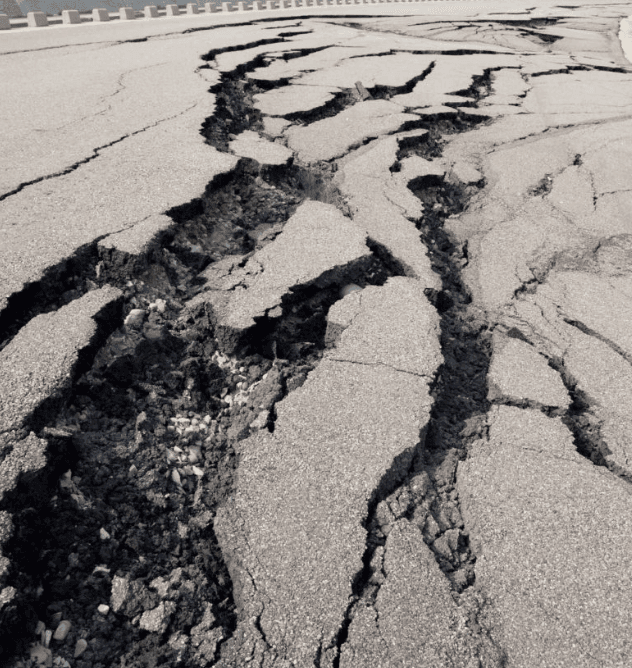
The absence of any magnitude 7.0 or greater earthquake in California through mid-August 2026 underpins the market's 97.5% implied probability on "No." USGS seismic monitoring shows background rates of smaller events without foreshock sequences or strain accumulation patterns on major faults such as the San Andreas that would signal heightened risk. Historical recurrence intervals place great earthquakes on decadal rather than annual timescales, making a late-year event statistically uncommon. While sudden rupture on an under-monitored segment remains possible, current observational data and model consensus support the strong trader consensus that the annual threshold will not be crossed before December 31.
Экспериментальная сводка, созданная ИИ на основе данных Polymarket. Это не является торговой рекомендацией и не влияет на то, как разрешается этот рынок. · ОбновленоБудет ли в Калифорнии землетрясение магнитудой 7,0 или выше в 2026 году?
Будет ли в Калифорнии землетрясение магнитудой 7,0 или выше в 2026 году?
3% вероятность
НОВОЕ
НОВОЕ
1 янв. 2027 г.
3% вероятность
НОВОЕ
НОВОЕ
1 янв. 2027 г.
This market will resolve "Yes" if the United States Geological Survey (USGS) (https://www.usgs.gov/programs/earthquake-hazards/lists-maps-and-statistics) reports at least one earthquake of moment magnitude (Mw) 7.0 or greater with an epicenter located within the state of California by December 31, 2026 at 11:59:59 PM ET. Otherwise, this market will resolve "No".
The state of California includes the entirety of California as recognized under U.S. law including offshore areas within California's territorial boundaries. Earthquakes occurring on the California border must have their USGS-listed epicenter coordinates fall within California's boundaries.
Any individual event meeting the magnitude and location criteria resolves the market "Yes", regardless of whether it is classified as a mainshock, aftershock, or foreshock.
Resolution will be based on the USGS's final reviewed magnitude, not preliminary estimates, regardless of when that review is published, but the qualifying earthquake needs to have occurred within California by December 31, 2026 at 11:59:59 PM ET. This market will resolve based on official information from USGS, however, an overwhelming consensus of credible reporting confirming a qualifying earthquake may also resolve this market in an instance where USGS becomes unavailable. The absence of any magnitude 7.0 or greater earthquake in California through mid-August 2026 underpins the market's 97.5% implied probability on "No." USGS seismic monitoring shows background rates of smaller events without foreshock sequences or strain accumulation patterns on major faults such as the San Andreas that would signal heightened risk. Historical recurrence intervals place great earthquakes on decadal rather than annual timescales, making a late-year event statistically uncommon. While sudden rupture on an under-monitored segment remains possible, current observational data and model consensus support the strong trader consensus that the annual threshold will not be crossed before December 31.
This market will resolve "Yes" if the United States Geological Survey (USGS) (https://www.usgs.gov/programs/earthquake-hazards/lists-maps-and-statistics) reports at least one earthquake of moment magnitude (Mw) 7.0 or greater with an epicenter located within the state of California by December 31, 2026 at 11:59:59 PM ET. Otherwise, this market will resolve "No".
The state of California includes the entirety of California as recognized under U.S. law including offshore areas within California's territorial boundaries. Earthquakes occurring on the California border must have their USGS-listed epicenter coordinates fall within California's boundaries.
Any individual event meeting the magnitude and location criteria resolves the market "Yes", regardless of whether it is classified as a mainshock, aftershock, or foreshock.
Resolution will be based on the USGS's final reviewed magnitude, not preliminary estimates, regardless of when that review is published, but the qualifying earthquake needs to have occurred within California by December 31, 2026 at 11:59:59 PM ET. This market will resolve based on official information from USGS, however, an overwhelming consensus of credible reporting confirming a qualifying earthquake may also resolve this market in an instance where USGS becomes unavailable.
The state of California includes the entirety of California as recognized under U.S. law including offshore areas within California's territorial boundaries. Earthquakes occurring on the California border must have their USGS-listed epicenter coordinates fall within California's boundaries.
Any individual event meeting the magnitude and location criteria resolves the market "Yes", regardless of whether it is classified as a mainshock, aftershock, or foreshock.
Resolution will be based on the USGS's final reviewed magnitude, not preliminary estimates, regardless of when that review is published, but the qualifying earthquake needs to have occurred within California by December 31, 2026 at 11:59:59 PM ET. This market will resolve based on official information from USGS, however, an overwhelming consensus of credible reporting confirming a qualifying earthquake may also resolve this market in an instance where USGS becomes unavailable.
Открытие рынка: Jul 24, 2026, 2:32 PM ET
Объем
$3,181Дата окончания
1 янв. 2027 г.Открытие рынка
Jul 24, 2026, 2:32 PM ETResolver
0x65070BE91...This market will resolve "Yes" if the United States Geological Survey (USGS) (https://www.usgs.gov/programs/earthquake-hazards/lists-maps-and-statistics) reports at least one earthquake of moment magnitude (Mw) 7.0 or greater with an epicenter located within the state of California by December 31, 2026 at 11:59:59 PM ET. Otherwise, this market will resolve "No".
The state of California includes the entirety of California as recognized under U.S. law including offshore areas within California's territorial boundaries. Earthquakes occurring on the California border must have their USGS-listed epicenter coordinates fall within California's boundaries.
Any individual event meeting the magnitude and location criteria resolves the market "Yes", regardless of whether it is classified as a mainshock, aftershock, or foreshock.
Resolution will be based on the USGS's final reviewed magnitude, not preliminary estimates, regardless of when that review is published, but the qualifying earthquake needs to have occurred within California by December 31, 2026 at 11:59:59 PM ET. This market will resolve based on official information from USGS, however, an overwhelming consensus of credible reporting confirming a qualifying earthquake may also resolve this market in an instance where USGS becomes unavailable. The absence of any magnitude 7.0 or greater earthquake in California through mid-August 2026 underpins the market's 97.5% implied probability on "No." USGS seismic monitoring shows background rates of smaller events without foreshock sequences or strain accumulation patterns on major faults such as the San Andreas that would signal heightened risk. Historical recurrence intervals place great earthquakes on decadal rather than annual timescales, making a late-year event statistically uncommon. While sudden rupture on an under-monitored segment remains possible, current observational data and model consensus support the strong trader consensus that the annual threshold will not be crossed before December 31.
This market will resolve "Yes" if the United States Geological Survey (USGS) (https://www.usgs.gov/programs/earthquake-hazards/lists-maps-and-statistics) reports at least one earthquake of moment magnitude (Mw) 7.0 or greater with an epicenter located within the state of California by December 31, 2026 at 11:59:59 PM ET. Otherwise, this market will resolve "No".
The state of California includes the entirety of California as recognized under U.S. law including offshore areas within California's territorial boundaries. Earthquakes occurring on the California border must have their USGS-listed epicenter coordinates fall within California's boundaries.
Any individual event meeting the magnitude and location criteria resolves the market "Yes", regardless of whether it is classified as a mainshock, aftershock, or foreshock.
Resolution will be based on the USGS's final reviewed magnitude, not preliminary estimates, regardless of when that review is published, but the qualifying earthquake needs to have occurred within California by December 31, 2026 at 11:59:59 PM ET. This market will resolve based on official information from USGS, however, an overwhelming consensus of credible reporting confirming a qualifying earthquake may also resolve this market in an instance where USGS becomes unavailable.
The state of California includes the entirety of California as recognized under U.S. law including offshore areas within California's territorial boundaries. Earthquakes occurring on the California border must have their USGS-listed epicenter coordinates fall within California's boundaries.
Any individual event meeting the magnitude and location criteria resolves the market "Yes", regardless of whether it is classified as a mainshock, aftershock, or foreshock.
Resolution will be based on the USGS's final reviewed magnitude, not preliminary estimates, regardless of when that review is published, but the qualifying earthquake needs to have occurred within California by December 31, 2026 at 11:59:59 PM ET. This market will resolve based on official information from USGS, however, an overwhelming consensus of credible reporting confirming a qualifying earthquake may also resolve this market in an instance where USGS becomes unavailable.
Объем
$3,181Дата окончания
1 янв. 2027 г.Открытие рынка
Jul 24, 2026, 2:32 PM ETResolver
0x65070BE91...The absence of any magnitude 7.0 or greater earthquake in California through mid-August 2026 underpins the market's 97.5% implied probability on "No." USGS seismic monitoring shows background rates of smaller events without foreshock sequences or strain accumulation patterns on major faults such as the San Andreas that would signal heightened risk. Historical recurrence intervals place great earthquakes on decadal rather than annual timescales, making a late-year event statistically uncommon. While sudden rupture on an under-monitored segment remains possible, current observational data and model consensus support the strong trader consensus that the annual threshold will not be crossed before December 31.
Экспериментальная сводка, созданная ИИ на основе данных Polymarket. Это не является торговой рекомендацией и не влияет на то, как разрешается этот рынок. · Обновлено
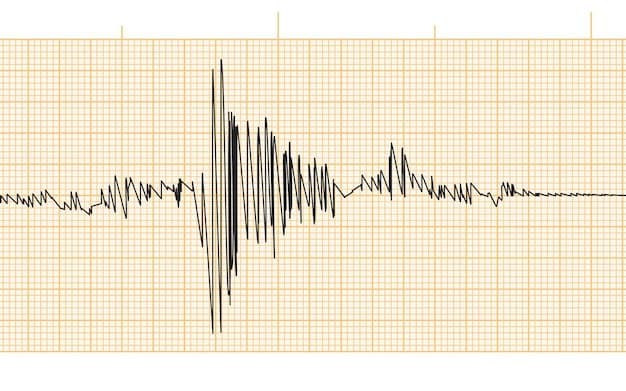

Не доверяй внешним ссылкам.
Не доверяй внешним ссылкам.
Часто задаваемые вопросы